slug: japanese-ceramide-lotion-vs-western-ceramide-cream title: Japanese Ceramide Lotion vs Western Ceramide Cream: Skin Barrier Guide meta_description: Compare Japanese ceramide lotions with Western ceramide creams. Learn how liquid hydration and rich occlusives work differently to restore skin barriers. category: ingredients tags: [Japanese Skincare, Ceramides, Skin Barrier, Moisturizer, J-Beauty Routine, Dry Skin] author: Editorial Team published_at: 2026-11-22 updated_at: 2026-11-22 reading_time: 6 publish: true
Japanese Ceramide Lotion vs Western Ceramide Cream: Skin Barrier Guide
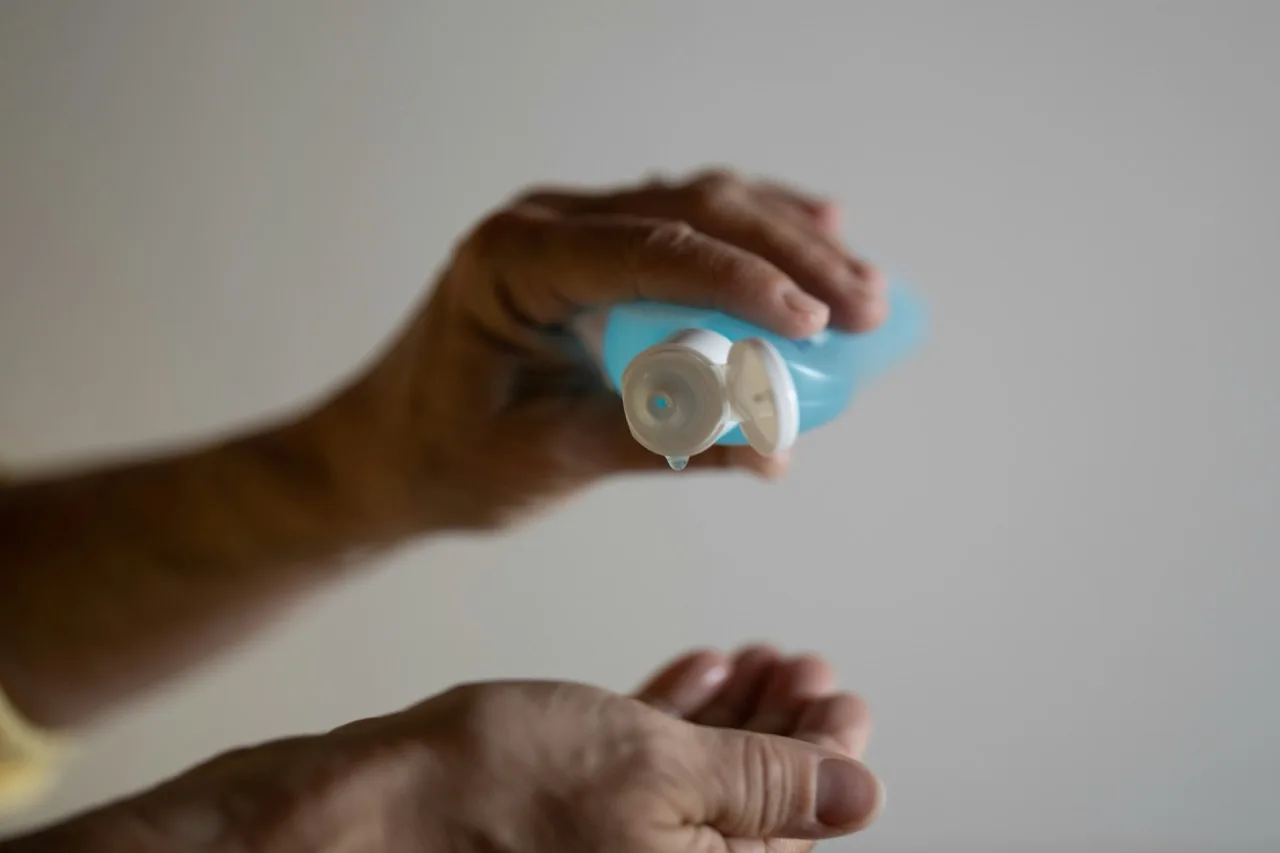
When dealing with a compromised skin barrier, tightness, or persistent dryness, ceramides are widely considered the gold standard in restorative dermatology. However, how these crucial lipids are delivered onto your skin varies drastically between Japanese and Western skincare philosophies. While Western pharmacies predominantly feature thick, occlusive ceramide creams (such as classic tub moisturizers), Japanese beauty focuses on watery ceramide lotions (Kesho-Sui) and lightweight micro-emulsions. Understanding the structural distinction between these two approaches can completely transform how you care for dehydrated, sensitive skin.
Quick answer: How do Japanese lotions differ from Western creams?
The core difference lies in delivery format and water-oil balance. Japanese ceramide lotions utilize nano-emulsified human-identical ceramides (or pseudo-ceramides) dissolved into lightweight, watery matrices that absorb directly into the intercellular spaces of the stratum corneum, replenishing depleted moisture without heaviness. Western ceramide creams focus primarily on surface occlusion, pairing ceramides with rich emollients like petrolatum and mineral oil to trap moisture on top of the skin. Using them together creates an optimal barrier-restoring sandwich.
The biology of ceramides: Why intercellular lipids matter
To appreciate the design of both formulations, one must examine the stratum corneum's structure—often described as the "bricks and mortar" of your skin barrier. Corneocyte skin cells represent the bricks, while intercellular lipids represent the mortar.
Ceramides make up over 50% of these intercellular lipids, arranged in delicate alternating water-and-oil sheets known as the lamellar structure. Official research by Japanese barrier specialists emphasizes that ceramides serve as the primary essential component required for the proper functioning of the skin barrier[1].
When seasonal shifts, harsh cleansing, or environmental stress deplete natural lipid reserves, moisture evaporates rapidly, leading to micro-cracks and stinging. Dermatological research confirms that skin sufficiently filled with ceramides maintains a high barrier function that resists roughness caused by external irritation[1]. Therefore, consistent daily ceramide care is essential to protect and replenish essential ceramides, supporting the barrier function and retaining hydration[1].
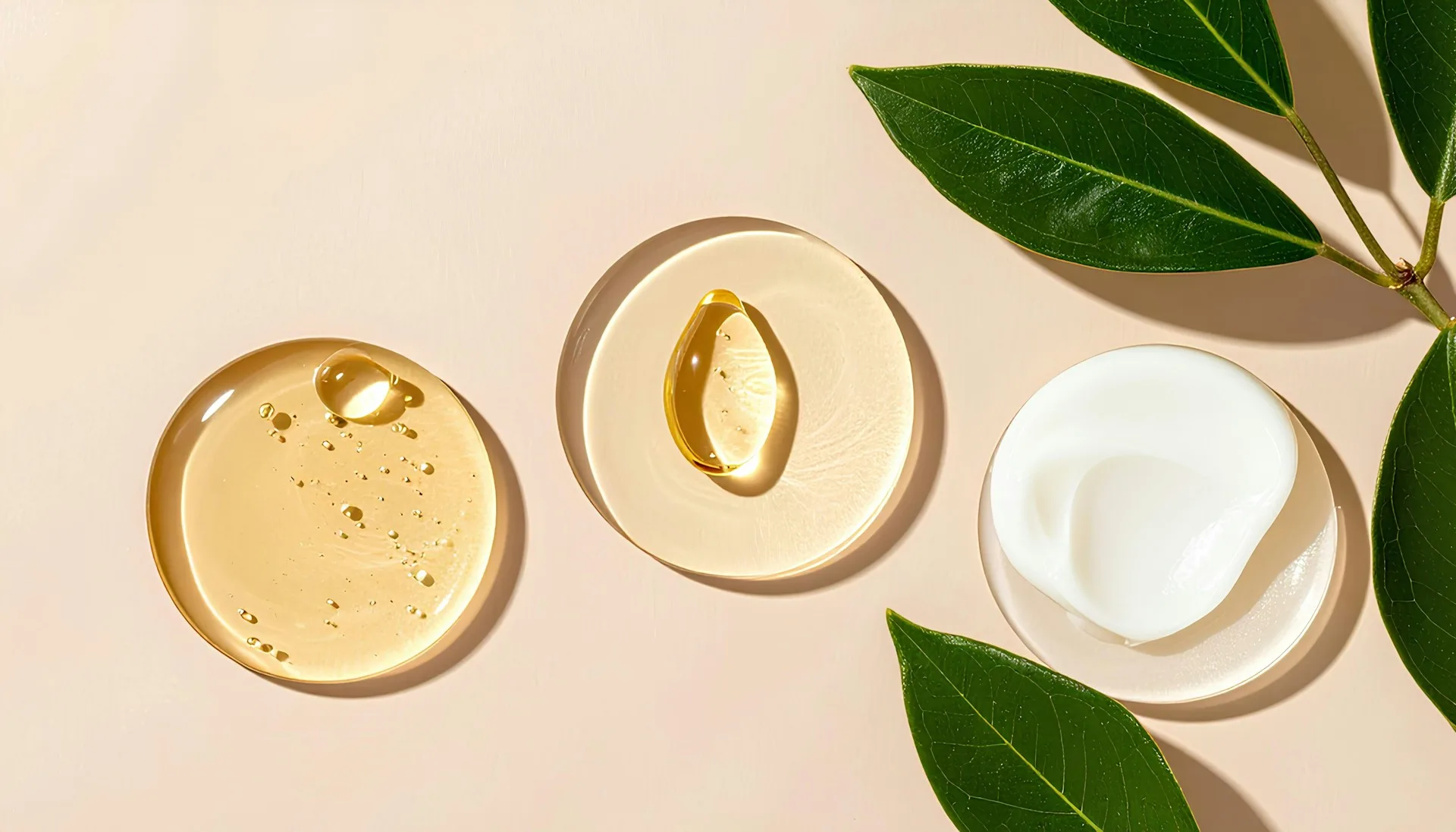
Formulation philosophy: Japanese liquid saturation vs Western occlusion
The divergence between Japanese lotions and Western creams reflects differing regional climates and skincare traditions.
Scroll horizontally to view full table
| Comparison Factor | Japanese Ceramide Lotion (*Kesho-Sui*) | Western Ceramide Cream |
|---|---|---|
| Physical Texture | Watery, essence-like liquid; completely non-greasy | Rich, dense emulsion or buttery ointment |
| Technological Focus | Micro-dispersion & nano-encapsulation into lamellar sheets | Surface occlusion & multi-vesicular slow release |
| Primary Role | Directly saturates stratum corneum with moisture and lipids | Forms a protective seal to prevent moisture evaporation |
| Optimal Climate | Humid summers, central heating, layered routines | Arid winters, windburn recovery, very dry body zones |
| Layering Flexibility | Can be patted in multiple layers without pore congestion | Final step occlusive; difficult to layer underneath |