Japanese Exosome Anti-Aging Serum: What to Know About Benefits and Skin Safety
IngredientsBy Editorial Team
title: Japanese Exosome Anti-Aging Serum: What to Know About Benefits and Skin Safety
slug: japanese-exosome-anti-aging-serum-what-to-know
category: ingredients
published_at: '2026-11-23'
updated_at: '2026-11-23'
meta_description: Explore Japanese exosome anti-aging serums, how conditioned media support hydration, label rules, layering steps, and realistic skincare expectations.
keywords:
japanese exosome serum
exosome anti-aging skincare
stem cell conditioned media
japanese cosmetic ingredients
j-beauty elasticity care
lead_image: /images/stock/dermatological-lab-research-dropper-testing.webp
lead_image_alt: Laboratory testing and dropper formulation for Japanese exosome anti-aging serum research
publish: true
Japanese Exosome Anti-Aging Serum: What to Know About Benefits and Skin Safety
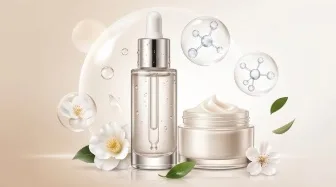
Japanese beauty counters and drugstores have witnessed a rapid surge in formulas highlighting exosomes and stem cell culture conditioned media. Often packaged in sleek dropper bottles and marketed alongside advanced peptides, these innovative serums promise refined texture and plump hydration. However, understanding what exosomes actually do in topical cosmetics versus clinical aesthetic treatments is crucial for making informed skincare investments.
Quick answer: In Japanese topical cosmetics, exosomes refer to purified extracellular nanovesicles derived from stem cell culture media, designed to support surface hydration, skin barrier function, and stratum corneum elasticity. They do not alter cellular genetics or reverse chronological aging, but they deliver potent moisture conditioning when layered within a gentle, consistent routine.
What are exosomes in topical Japanese skincare?
Exosomes are microscopic extracellular vesicles naturally released by cells to facilitate intercellular communication. In the context of Japanese cosmetics, these vesicles are isolated and purified from cell culture conditioned media—frequently derived from human adipose-derived mesenchymal stem cells or specialized botanical extracts.
Under Japanese cosmetic regulations overseen by the Ministry of Health, Labour and Welfare (MHLW), cosmetic formulas operate strictly within the outermost layer of the epidermis: the stratum corneum. Topically applied cosmetic exosomes do not reach living dermal layers or replace clinical aesthetic injections. Instead, official packaging documentation clarifies that human adipose-derived mesenchymal cell exosomes function strictly as skin-conditioning agents within the stratum corneum for age-appropriate care[1].
Japanese manufacturers formulate stem-cell-derived exosomes in stabilized concentrations alongside vitamin C and niacinamide to support elasticity and skin conditioning[1]. They prioritize ultra-fine filtration, heat stabilization, and meticulous microbial testing to ensure safe consumer application without live cellular material.
Realistic benefits vs marketing hype
Navigating the claims surrounding exosome serums requires separating dermatological realities from speculative marketing language. Japanese quasi-drug regulations and cosmetic advertising standards explicitly forbid promising total wrinkle erasure or physical cellular restructuring.
Scroll horizontally to view full table
Skin Concern
Realistic Cosmetic Benefit
Unrealistic Marketing Claim
Fine Dry Lines
Plumps the stratum corneum with deep moisture, softening dry expression lines
Removes deep dynamic wrinkles instantly
Skin Elasticity
Supports surface bounce and suppleness through peptide-rich conditioning
Smooths uneven flakiness and reinforces moisture barrier integrity
Alters living cellular DNA and resets biological age
Dull Complexion
Restores natural translucency through prolonged epidermal hydration
Provides instant clinical complexion change
When consumers approach these products as high-performance hydrating and barrier-fortifying serums rather than medical treatments, they achieve noticeable improvements in daily suppleness and bounce.
How to layer exosome serums in a J-Beauty routine
To maximize the benefits of an exosome serum, integration should follow the traditional Japanese layering philosophy, moving from the lightest water-based texture to the richest lipid barrier.
Gentle Double Cleansing: Wash thoroughly with an oil cleanser followed by a mild foaming wash to remove sebum and sunscreen without stripping natural lipids.
Booster or Balancing Lotion (Kesho-Sui): Apply a hydrating watery lotion to soften the stratum corneum and prep the skin path.
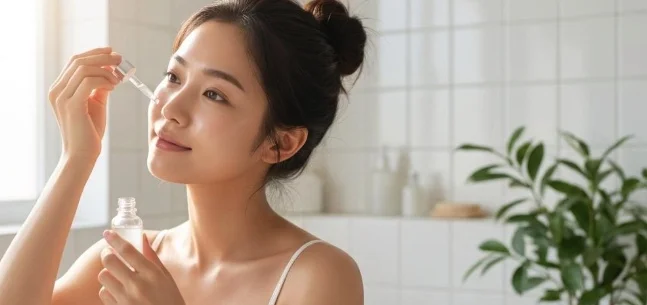
Exosome Serum Application: Dispense 3 to 4 drops into clean palms. Gently press the serum across the cheeks, forehead, and jawline, avoiding harsh rubbing.
Targeted Actives: If using stabilized vitamin C derivatives or mild brightening agents, apply them before or alongside the exosome serum according to manufacturer directions.
Emulsion or Moisturizing Cream: Lock in the active humectants with a ceramide-rich emulsion or squalane cream to prevent trans-epidermal water loss.
Dermatologists agree that sunscreen and moisturizer are the two most-effective anti-aging products you can buy, establishing the essential baseline before introducing advanced serums[2]. Furthermore, anti-aging skin care products will work best if they are formulated for your skin type, ensuring comfortable daily absorption without barrier disruption[2].
Reading Japanese ingredient lists: what to look for
When examining product packaging in Japan, cosmetic exosome formulations typically list specific conditioned media extracts rather than a simple standalone word. Common INCI-compliant terms include:
Human Adipose Derived Mesenchymal Cell Exosomes: Denotes purified nanovesicles harvested from fat-derived stem cell media.
Human Stem Cell Conditioned Media Extract: Refers to the broader nutrient-rich fluid containing secreted growth factors, amino acids, and vesicle fractions.
Complementary Peptides and Ceramides: Quality Japanese formulas routinely combine exosomes with oligopeptide complexes, sodium hyaluronate, and bio-compatible ceramides to reinforce moisture retention.
Ensure the packaging clearly identifies the manufacturing laboratory and confirms adherence to Japanese Good Manufacturing Practice (GMP) standards for cosmetic safety.
Signs to stop and when to see a doctor
While high-grade Japanese cosmetic serums undergo rigorous purity screening, concentrated bio-active conditioning formulas can occasionally trigger irritation or contact sensitivity in vulnerable skin types.
Persistent Erythema or Swelling: If your face develops widespread redness, burning sensations, or puffiness after application, rinse immediately with cool water and discontinue use.
Pruritus or Itchy Bumps: The emergence of tiny hives, itchy papules, or contact dermatitis indicates an allergic reaction to preservative systems, botanical extracts, or protein fractions.
Flaking and Barrier Breakdown: Sudden dryness, peeling, or stinging when applying basic moisturizers suggests an impaired moisture barrier requiring immediate simplification of your routine.
When to Consult a Dermatologist: Seek professional evaluation if swelling involves the eye area, if irritation persists beyond 48 hours after discontinuation, or if you manage chronic dermatological conditions such as rosacea or eczema before testing novel biotech serums.
FAQ
Q1. Can Japanese exosome serums replace clinic-administered exosome injections?
A. No, topical cosmetic serums and clinical medical procedures serve completely different purposes.(Details)
Topical cosmetic serums operate entirely within the stratum corneum to deliver surface hydration and barrier conditioning. Clinical exosome procedures involve intradermal delivery by medical professionals for therapeutic indications. Cosmetic products are strictly formulated for topical beauty maintenance and cannot replicate medical aesthetic outcomes.
Q2. How long does it take to see visible changes from an exosome serum?
A. Hydration improvements appear within days, while texture refinement typically requires 4 to 8 weeks.(Details)
Initial benefits such as increased skin softness and reduced dryness are often noticeable within the first week of daily use. Visible improvements in skin bounce, firmness, and overall texture require consistent application over a standard epidermal renewal cycle of approximately 28 to 45 days.
Q3. Can I use exosome serums alongside retinol or exfoliating acids?
A. Yes, but alternate them or introduce them cautiously to avoid overwhelming the skin barrier.(Details)
Exosome serums are predominantly soothing and hydrating, making them excellent companions for buffering the drying effects of retinoids. However, if you are introducing active acids or potent vitamin A derivatives, apply them on alternate nights or perform a patch test first to prevent heightened reactivity.
Q4. Are human-derived exosome cosmetics safe to use?
A. Domestic Japanese cosmetics follow strict regulatory screening to ensure purity and safety.(Details)
In Japan, cosmetic ingredients derived from human cell cultures must strictly comply with national Standards for Biological Raw Materials established by health authorities. Cultures undergo exhaustive viral testing, sterilization, and filtration to ensure that no live cells or viable genetic pathogens exist in the final product.
Q5. Should beginners start with an exosome mask or an exosome serum?
A. Sheet masks offer an accessible trial, while concentrated serums deliver consistent daily results.(Details)
Exosome-infused sheet masks provide an affordable way to test your skin tolerance and evaluate the plumping hydration effect before investing in a higher-priced dropper serum. For long-term anti-aging skincare benefits, a daily serum integrated into your morning or evening routine provides superior cumulative results.
Summary
Japanese exosome anti-aging serums represent a sophisticated development in modern cosmetic science, uniting cellular culture biotechnology with traditional J-Beauty barrier care. By providing intensive hydration, replenishing lipids, and delivering peptide-rich moisture to the stratum corneum, they help restore youthful bounce and smooth rough texture. Pair these advanced serums with disciplined sunscreen use, dependable moisturizers, and patient consistency to achieve healthy, radiant skin.
Disclaimer: This article is for general information and education about Japanese cosmetics and their labels. It is not a substitute for professional medical advice, diagnosis, or treatment. Skincare results vary from person to person. Product formulas, availability, prices, and regulations change, and products sold in Japan can differ from versions sold elsewhere, so always check the current label. Do a patch test before introducing a new product, and consult a doctor or dermatologist if you have a skin condition or specific concerns.