Japanese Fullerene Skincare: The Radical Sponge Antioxidant Guide
IngredientsBy Editorial Team
title: Japanese Fullerene Skincare: The Radical Sponge Antioxidant Guide
slug: japanese-fullerene-skincare-antioxidant-benefits
category: ingredients
published_at: '2026-11-23'
updated_at: '2026-11-23'
meta_description: Explore Japanese fullerene skincare, how the carbon C60 molecule acts as a radical sponge, UV stability advantages, and daily routine layering tips.
keywords:
japanese fullerene skincare
fullerene radical sponge
c60 antioxidant benefits
tunemakers fullerene extract
photostable antioxidant j-beauty
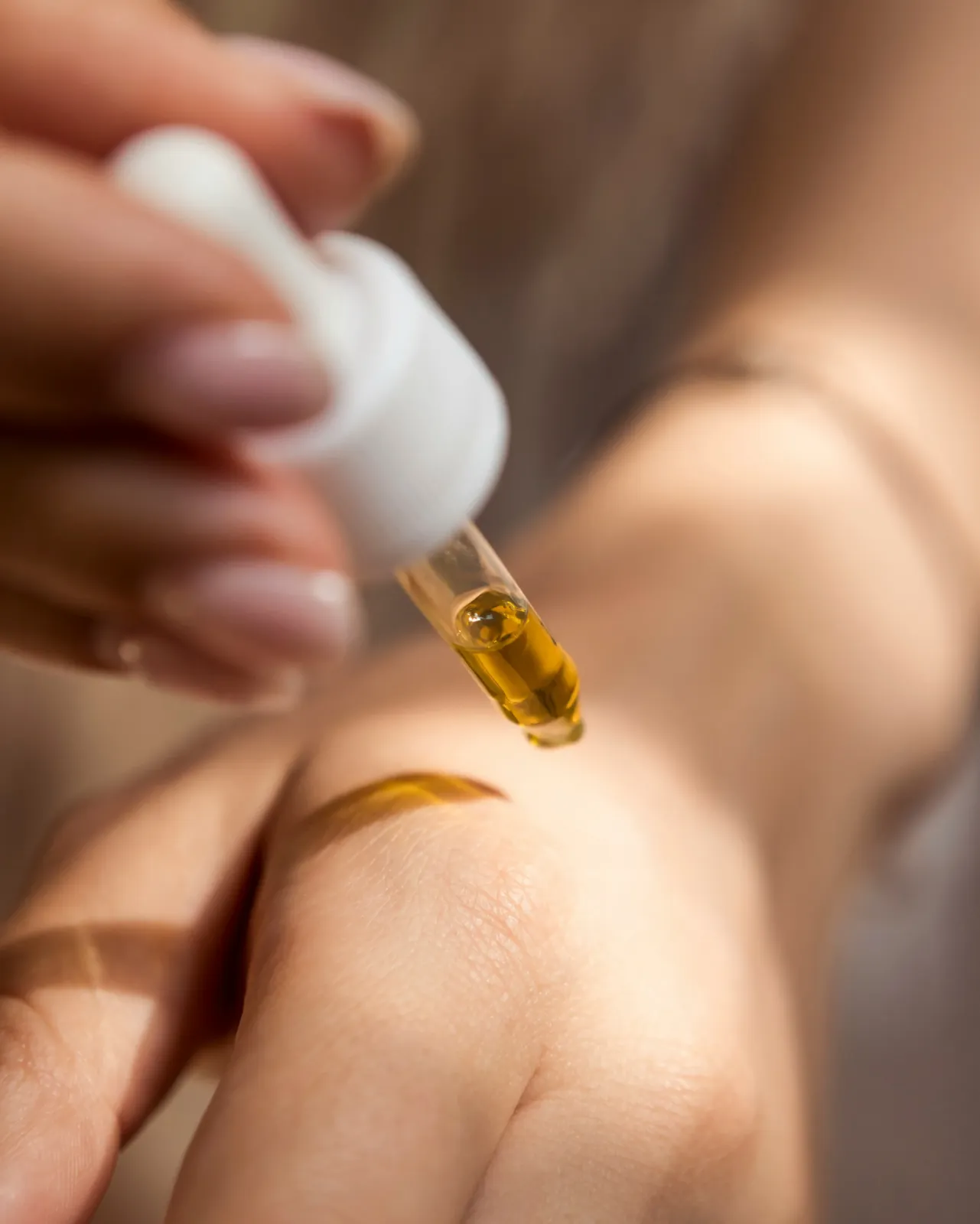
lead_image: /images/stock/amber-dropper-serum-bottle-white-background.webp
lead_image_alt: Amber dropper bottle featuring Japanese fullerene antioxidant raw extract serum
publish: true
Japanese Fullerene Skincare: The Radical Sponge Antioxidant Guide
While vitamin C and retinoids dominate international discussions on anti-aging ingredients, Japanese cosmetic laboratories have long championed a technologically distinct antioxidant: fullerene. Discovered by Nobel Prize-winning chemists and refined by Japanese carbon nanotechnology, this soccer-ball-shaped carbon molecule (C60) has earned a devoted following across Tokyo beauty counters. Celebrated domestically as a radical sponge, fullerene provides continuous photoprotection without degrading under blazing daytime sunlight.
Quick answer: Fullerene is an allotrope of carbon consisting of 60 atoms formed into a hollow spherical cage. In Japanese skincare, it functions as a potent, photostable radical sponge that absorbs harmful reactive oxygen species triggered by ultraviolet rays. By preventing lipid peroxidation and dullness without irritating sensitive skin, it serves as an ideal morning and evening antioxidant booster.
What is fullerene and how does the radical sponge work?
Fullerene (C60) consists of 60 carbon atoms joined in alternating pentagons and hexagons, forming a spherical truncated icosahedron resembling a miniature soccer ball. In biological environments, this symmetrical spherical cage exhibits an extraordinary affinity for free radicals.
Conventional antioxidants—such as pure L-ascorbic acid or alpha-tocopherol—neutralize reactive oxygen species by donating one of their own electrons, which causes the antioxidant molecule itself to oxidize, deplete, and lose potency. In sharp contrast, fullerene acts like a microscopic sponge. Its expansive electron cloud attracts, absorbs, and neutralizes dozens of free radicals simultaneously across its spherical surface without sacrificing its underlying structural integrity.
Japanese clinical testing demonstrates that fullerene functions as a trouble-absorbing sponge that captures ultraviolet-induced free radicals which sunscreen alone cannot completely neutralize[1]. Furthermore, its continuous protective umbrella addresses ultraviolet damage the moment skin is exposed to prevent cumulative environmental stress and cultivate radiant, translucent skin[1].
Why Japanese formulators prize fullerene: key advantages
Understanding why Japanese dermatology embraces fullerene requires comparing its practical behavior against conventional active vitamins.
Scroll horizontally to view full table
Antioxidant Property
Traditional Pure Vitamin C
Japanese Fullerene (C60)
Photostability
Degrades quickly upon exposure to UV light and air
Exceptionally stable; active performance remains steady under sunlight
Scavenging Mechanism
Donates a single electron and self-oxidizes
Continuous radical sponge that absorbs multiple oxygen radicals
Skin Irritation Risk
Requires low acidic pH (sub-3.5) that can sting sensitive skin
Operates at neutral pH without stinging, warmth, or barrier stress
Longevity on Skin
Depletes rapidly as free radicals are encountered
Provides sustained antioxidant defense lasting up to 11 to 20 hours
Domestic raw extract pioneers engineer water-soluble fullerene complexes using water-soluble polymers. For example, minimalist Japanese serums maintain an ultra-minimal formula consisting solely of water, butylene glycol, 1,2-hexanediol, fullerene, and polyvinylpyrrolidone[1]. This clean formula ensures maximum biocompatibility for vulnerable skin barriers.
Synergistic pairing: fullerene and vitamin C
Rather than viewing fullerene and vitamin C as competing rivals, Japanese cosmetic scientists regard them as the ultimate synergistic duo.
When applied simultaneously, fullerene shields fragile vitamin C molecules from rapid oxidation, allowing active ascorbic acid derivatives to absorb thoroughly and support collagen conditioning undisturbed. Meanwhile, vitamin C supports ongoing skin brightening, while fullerene curbs the sebum peroxidation that causes oxidized, darkened blackheads and midday pore visibility.
How to integrate fullerene into your daily routine
Thanks to its watery, non-greasy texture, fullerene raw extract (gen-eki) layers effortlessly across various seasonal routines.
Morning Defense Layer: After cleansing and applying your hydrating balancing lotion (Kesho-Sui), dispense 2 to 3 drops of fullerene serum onto palms. Press evenly over the face, paying special attention to the nose and cheekbones where sun exposure concentrates.
Sunscreen Mixing Option: A popular Japanese drugstore tip is blending a single drop of fullerene extract directly into your morning sunscreen emulsion, reinforcing broad-spectrum defense against stray UV rays.
Evening Recovery Boost: At night, apply fullerene before heavier ceramide creams or retinol treatments to neutralize daily accumulated environmental stressors.
Targeted Blemish & Pore Care: Dab an extra drop over congested T-zone areas to prevent lipid peroxidation and keep pores clear of oxidized sebum.
Dermatologists agree that sunscreen and moisturizer are the two most-effective anti-aging products you can buy, establishing the essential defensive foundation[2]. Furthermore, anti-aging skin care products will work best if they are formulated for your skin type, ensuring consistent absorption and barrier preservation[2].
Signs to stop and when to see a doctor
High-grade fullerene boasts an exceptional safety profile and undergoes exhaustive Ames mutagenicity testing in Japan. However, sensitivities to carrier solvents or auxiliary botanical extracts can occasionally occur.
Persistent Itching or Redness: If your complexion develops itchy blotches, heat, or localized hives after applying a new fullerene product, rinse immediately with cool water and discontinue use.
Flaking and Barrier Disruption: While fullerene does not cause peeling, secondary formula ingredients (such as drying alcohols or harsh absorption boosters in poorly formulated blends) may dry out the stratum corneum.
Unusual Color Residues: Pure cosmetic fullerene solutions possess a pale amber or light tea-colored hue. If a serum appears black, cloudy, or precipitates heavy sediment, discard it immediately.
When to Consult a Dermatologist: Seek professional evaluation if skin irritation persists beyond 48 hours, or if you manage chronic dermatological conditions like severe atopic dermatitis before testing novel carbon-based bio-cosmetics.
FAQ
Q1. Is fullerene safe for human skin given that it is a carbon nanomaterial?
A. Yes, cosmetic fullerene undergoes exhaustive safety and biocompatibility screening.(Details)
Japanese cosmetic suppliers have conducted extensive safety evaluations—including cytotoxicity, patch testing, ocular irritation, and genetic toxicity screenings—confirming that water-dispersed cosmetic fullerene remains entirely within the dead surface layers of the stratum corneum without entering living systemic circulation.
Q2. Can I use fullerene during the day in direct sunlight?
A. Yes, fullerene is photostable and specifically engineered for morning ultraviolet protection.(Details)
Unlike delicate botanical oils or unstabilized retinoids that decompose under UV radiation, fullerene thrives under sunlight. Applying it in the morning creates an active antioxidant shield that intercepts UV-generated free radicals before they can degrade epidermal lipids or trigger photoaging.
Q3. What is the difference between Radical Sponge and LipoFullerene?
A. Radical Sponge is water-soluble for lotions, while LipoFullerene is oil-soluble for rich creams.(Details)
In Japanese cosmetics, Radical Sponge is fullerene complexed with PVP to disperse effortlessly in watery lotions and booster essences. LipoFullerene is dissolved in botanical squalane, making it ideal for nourishing facial oils, emulsions, and lipid-rich night creams.
Q4. Can fullerene replace my daily broad-spectrum sunscreen?
A. No, fullerene neutralizes free radicals but does not physically block UV photons.(Details)
Sunscreen uses physical or chemical UV filters to reflect or absorb ultraviolet light rays before they hit skin cells. Fullerene cleans up the secondary reactive oxygen species that slip past sunscreen defense. They work as complementary teammates rather than substitutes.
Q5. How long does it take to see visible improvements from fullerene?
A. Skin clarity and reduced oiliness appear within 1 to 2 weeks, while firmness builds over 4 to 8 weeks.(Details)
Because fullerene stops sebum oxidation quickly, users notice reduced midday shine and refined pore appearance within 10 to 14 days. Cumulative benefits—including improved skin resilience, bounce, and a brighter, more translucent complexion—manifest over a standard 4 to 8 week skin renewal cycle.
Summary
Japanese fullerene skincare represents a triumph of advanced chemistry translated into everyday skincare elegance. By operating as an untiring radical sponge that captures damaging free radicals without destabilizing under sunlight, fullerene fills a critical gap left by conventional, fragile antioxidants. Layered alongside dependable moisturizers and daily sunscreen, this remarkable carbon molecule helps protect your skin barrier, maintain youthful firmness, and ensure radiant skin longevity.
Disclaimer: This article is for general information and education about Japanese cosmetics and their labels. It is not a substitute for professional medical advice, diagnosis, or treatment. Skincare results vary from person to person. Product formulas, availability, prices, and regulations change, and products sold in Japan can differ from versions sold elsewhere, so always check the current label. Do a patch test before introducing a new product, and consult a doctor or dermatologist if you have a skin condition or specific concerns.