Japanese Glutathione Skincare Trend: The Secret to Shiratama Skin
IngredientsBy Editorial Team
slug: japanese-glutathione-brightening-skincare-trend
title: Japanese Glutathione Skincare Trend: The Secret to Shiratama Skin
meta_description: Discover the Japanese glutathione skincare trend. Learn how antioxidant tripeptides and vitamin C synergy create radiant, translucent Shiratama skin.
category: ingredients
tags: [Japanese Skincare, Glutathione, Shiratama Skin, Brightening, Sheet Masks, Antioxidants]
author: Editorial Team
published_at: 2026-11-22
updated_at: 2026-11-22
reading_time: 6
publish: true
Japanese Glutathione Skincare Trend: The Secret to Shiratama Skin
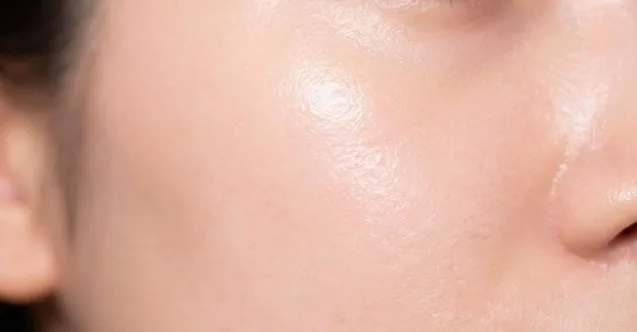
Across Japanese social media and beauty rankings like @cosme, the phrase Shiratama Hada (meaning "rice-dumpling skin") has become the defining aesthetic ideal for modern radiant complexions. Evoking the milky, bouncy, ultra-smooth surface of freshly made mochi dumplings, this trend has driven explosive demand for topical glutathione products in Japan. While glutathione was previously known almost exclusively in aesthetic clinics through intravenous brightening drips, Japanese cosmetic formulators have adapted this master antioxidant tripeptide into highly stabilized daily sheet masks, serums, and toners.
Quick answer: What is the Japanese glutathione trend?
Topical glutathione in Japanese skincare is a master antioxidant tripeptide composed of glutamic acid, cysteine, and glycine. Rather than acting through harsh chemical stripping, topical glutathione works as an intensive skin-conditioning agent. It neutralizes surface free radicals, recycles oxidized vitamin C, and prevents lipid peroxidation in the stratum corneum. Japanese formulations pair glutathione with niacinamide and vitamin C to combat dullness caused by dryness, bestowing the luminous, supple translucence known as Shiratama skin.
From clinic drips to daily skincare: The evolution of topical glutathione
Historically, glutathione gained fame across East Asia as the key active in medical aesthetic "brightening cocktails." However, systemic intravenous administration is a clinical medical procedure carrying specific health considerations.
Recognizing that consumers desired radiant clarity without medical needles, Japanese cosmetic scientists tackled the formulation hurdles of topical glutathione:
Molecular Stabilization: Pure glutathione is chemically unstable and prone to sulfurous odors when exposed to light and air. J-Beauty labs engineered liposomal micro-capsules and specialized nitrogen-sealed sheet masks to protect its delicate molecular integrity.
Regulatory Transparency: Under Japanese standards, cosmetic product labeling explicitly specifies glutathione as a skin-conditioning agent while defining brightening translucence as an effect achieved strictly through hydration[1].
Barrier Harmony: Instead of relying on aggressive surface peeling, Japanese topical formulas aim to optimize light reflection by saturating dry, rough corneocytes with moisture.
The antioxidant network: Why glutathione and Vitamin C belong together
Glutathione’s true power in cosmetic chemistry emerges when it operates within the biological antioxidant network. In cellular biochemistry, antioxidants do not function in isolation; they transfer electrons in a cooperative cycle:
Vitamin C Scavenges Free Radicals: When exposed to ultraviolet light or pollution, topical L-ascorbic acid neutralizes reactive oxygen species (ROS) but becomes oxidized in the process.
Glutathione Donates Electrons: Glutathione donates an electron back to the spent vitamin C molecule, returning it to its active, potent state.
Niacinamide Seals the Barrier: Niacinamide supports NAD+ coenzymes and prevents melanin-laden melanosomes from surfacing into outer epidermal cells.
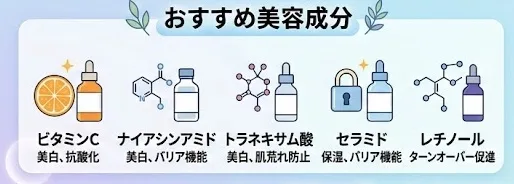
Because of this profound molecular synergy, cult-favorite Japanese products—such as Quality 1st Derma Laser Glutathione 100—are designed so that combining five types of vitamin C and niacinamide supports glutathione to elevate the skin to a higher level of condition[1].
Reduces oxidized tone dullness; boosts collagen suppleness
Niacinamide (Vitamin B3)
Cellular energy precursor & barrier lipid booster
Inhibits pigment transfer; calms surface redness
Popular Japanese formats: Sheet masks vs concentrated serums
The Japanese market offers versatile glutathione formats designed for both rapid morning prep and intensive evening therapy.
Leading brands formulate high-concentration glutathione in a stabilized form to draw out shiratama-grade translucence through deep hydration[1]. Sheet masks made with laser-cut microfiber allow the active essence to saturate the stratum corneum in just three minutes, leaving zero sticky residue under morning sunscreen. Meanwhile, concentrated booster serums are ideal for target areas showing persistent dryness or solar dullness.
Incorporating glutathione into your J-Beauty routine
To maximize radiance without causing barrier fatigue, structure your skincare routine around gentle hydration:
Low-Friction Cleansing: Wash away sebum and pollutants with a gentle Japanese amino-acid facial wash.
Prep Lotion (Kesho-Sui): Pat a hydrating watery lotion to prime the skin’s absorption channels.
Glutathione Mask or Serum: Apply your glutathione sheet mask for 5 to 10 minutes, or massage 2 to 3 drops of concentrated serum over your cheeks, forehead, and chin.
Ceramide Seal: Apply a light milk (Nyueki) or gel cream to trap moisture within the lipid bilayer.
Broad-Spectrum Sun Protection: External UV exposure rapidly consumes skin antioxidant reserves. Remember that consistent sun protection can help fade melasma and prevent it from returning[2].
Signs to stop and when to see a doctor
While topical glutathione possesses a gentle safety record, products formulated with multiple vitamin C derivatives or botanical absorption boosters may occasionally trigger sensitivity in reactive skin types.
In clinical skincare, dermatologists may recommend gentle options including azelaic acid to help manage discoloration[2]. However, discontinue your glutathione product immediately if you experience:
Persistent tingling, stinging, or flushing lasting longer than 15 minutes
Development of tiny red papules or itchy patches around the cheeks and nose
Sudden skin barrier peeling or rough textural irritation
If facial discoloration presents irregular borders, sudden textural hardening, or asymmetrical pigment spreads, seek an in-person clinical assessment from a board-certified dermatologist.
FAQ
Q1. Will topical glutathione change my natural skin tone?
A. No, it restores natural clarity and radiance through hydration. (Details)
Topical cosmetics cannot alter genetic skin color or act like clinical intravenous procedures. Japanese glutathione skincare focuses on reducing dryness-induced dullness, preventing lipid oxidation, and smoothing skin texture to reflect light cleanly.
Q2. Why do some glutathione skincare products have a faint scent?
A. Glutathione naturally contains sulfur-bearing amino acids. (Details)
Because glutathione is a tripeptide that includes cysteine (a sulfur-containing amino acid), high-concentration formulas can occasionally exhibit a faint characteristic scent. Japanese brands utilize specialized encapsulation and subtle natural citrus extracts to mask this aroma.
Q3. Can I use glutathione alongside retinol or AHA exfoliants?
A. Yes, glutathione provides a soothing antioxidant cushion. (Details)
Because glutathione is non-acidic and barrier-supportive, it pairs wonderfully with resurfacing actives. Using a glutathione sheet mask in the morning and retinol at night protects skin against daytime environmental stress while maintaining optimal turnover.
Q4. How quickly can I expect to see Shiratama skin results?
A. Immediate hydration plumpness occurs instantly; tone clarity in 3 to 4 weeks. (Details)
Deep stratum corneum hydration from a single sheet mask delivers immediate dewiness and bouncing plumpness. Sustained improvements in overall skin tone uniformity and dullness reduction typically manifest after three to four weeks of daily use.
Q5. Is topical glutathione safe for sensitive and acne-prone skin?
A. Yes, its soothing antioxidant properties calm blemish stress. (Details)
Glutathione is lightweight, non-comedogenic, and water-soluble. By neutralizing sebum oxidation (squalene peroxide), which is a known trigger for skin stress, glutathione serums help keep breakout-prone complexions clear and calm.
Summary
The Japanese glutathione skincare movement demystifies the coveted Shiratama skin aesthetic by translating clinical antioxidant science into gentle, daily rituals. By anchoring the tripeptide within a synergistic network of vitamin C and niacinamide, these Japanese formulations address oxidative stress, quench stubborn dullness, and support cellular resilience. When integrated into a mindful routine backed by disciplined sun defense, glutathione provides an accessible and skin-friendly pathway to a bouncy, translucent, and luminous complexion.
Disclaimer: This article is for general information and education about Japanese cosmetics and their labels. It is not a substitute for professional medical advice, diagnosis, or treatment. Skincare results vary from person to person. Product formulas, availability, prices, and regulations change, and products sold in Japan can differ from versions sold elsewhere, so always check the current label. Do a patch test before introducing a new product, and consult a doctor or dermatologist if you have a skin condition or specific concerns.