Japanese Niacinamide Quasi-Drugs: Dual Wrinkle and Brightening Science
IngredientsBy Editorial Team
title: Japanese Niacinamide Quasi-Drugs: Dual Wrinkle and Brightening Science
slug: japanese-niacinamide-quasi-drug-wrinkle-brightening
category: ingredients
published_at: '2026-11-23'
updated_at: '2026-11-23'
meta_description: Discover how Japanese niacinamide quasi-drugs deliver dual benefits for wrinkle improvement and dark spot prevention within gentle daily skincare routines.
keywords:
japanese niacinamide quasi drug
japanese wrinkle improvement
j-beauty brightening active
hada labo aging care
niacinamide double efficacy
lead_image: /images/stock/amber-dropper-active-serum-bottle.webp
lead_image_alt: Amber dropper bottle containing Japanese medicated niacinamide serum for wrinkle care and brightening
publish: true
Japanese Niacinamide Quasi-Drugs: Dual Wrinkle and Brightening Science
In the evolving landscape of Japanese cosmetic dermatology, few functional ingredients have captured consumer attention quite like niacinamide (vitamin B3). Unlike standard cosmetic additives, niacinamide holds official approval from Japan's Ministry of Health, Labour and Welfare (MHLW) as an active ingredient in quasi-drugs (Iyakubugaihin) capable of delivering dual approved efficacies: improving existing wrinkles and preventing excess melanin synthesis.
Quick answer: Japanese niacinamide quasi-drugs (medicated cosmetics) hold regulatory approval to target both fine line reduction and hyperpigmentation prevention simultaneously. By supporting epidermal barrier synthesis and inhibiting melanosome transfer, they provide a gentle, non-irritating alternative to aggressive resurfacing acids for comprehensive daily aging care.
The regulatory breakthrough: dual approved efficacies
In Japan, skincare products fall into distinct legal tiers: general cosmetics, quasi-drugs, and prescription pharmaceuticals. For decades, active ingredients were approved strictly for a single therapeutic category, such as brightening or soothing protection. Niacinamide revolutionized this regulatory framework by securing approval for dual benefits in the same formulation.
Under Japanese quasi-drug standards, medicated lotions achieve wrinkle improvement and dark spot care simultaneously while delivering moisture throughout mature adult skin[1]. Furthermore, regulatory definitions specify its brightening action as suppressing melanin generation to prevent dark spots and freckles while maintaining hydration within the stratum corneum[1].
Leading Japanese laboratories formulate high-moisturizing lotions combining active ingredient niacinamide with three types of hyaluronic acid as hydrating agents[1]. This scientific combination allows users to address dermal elasticity loss and pigment irregularities in a single, well-tolerated step.
How niacinamide works: wrinkle care vs melanin inhibition
Niacinamide's biological mechanisms explain why it functions effectively across multiple skin layers without causing the surface flaking often triggered by retinoids or hydroxy acids.
Scroll horizontally to view full table
Action Pathway
Biological Mechanism
Visible Skin Result
Wrinkle Improvement
Stimulates collagen synthesis and enhances intercellular ceramide production
Plumps the epidermal-dermal junction, smoothing fine lines and dry creases
Melanin Transfer Block
Inhibits melanosome migration from melanocytes to surrounding keratinocytes
Prevents localized hyperpigmentation, freckles, and age spots from darkening
Barrier Strengthening
Boosts free fatty acids and natural moisturizing factor (NMF) synthesis
Reduces trans-epidermal water loss and calms reactivity to external irritants
Sebum Regulation
Balances excess lipid secretion without stripping protective moisture
Refines pore visibility and prevents congested midday shine
Unlike chemical tyrosinase inhibitors that stop melanin creation entirely, niacinamide works by intercepting the transfer vehicle. This unique pathway minimizes the risk of uneven hypopigmentation while gently evening overall skin tone.
Integrating Japanese niacinamide formulas into your routine
Because Japanese niacinamide quasi-drugs are formulated at mild physiological pH levels (often weakly acidic to match natural skin), they integrate smoothly into multi-step regimens.
Purifying Cleanse: Start with a gentle amino acid cleanser to remove debris without stripping natural epidermal oils.
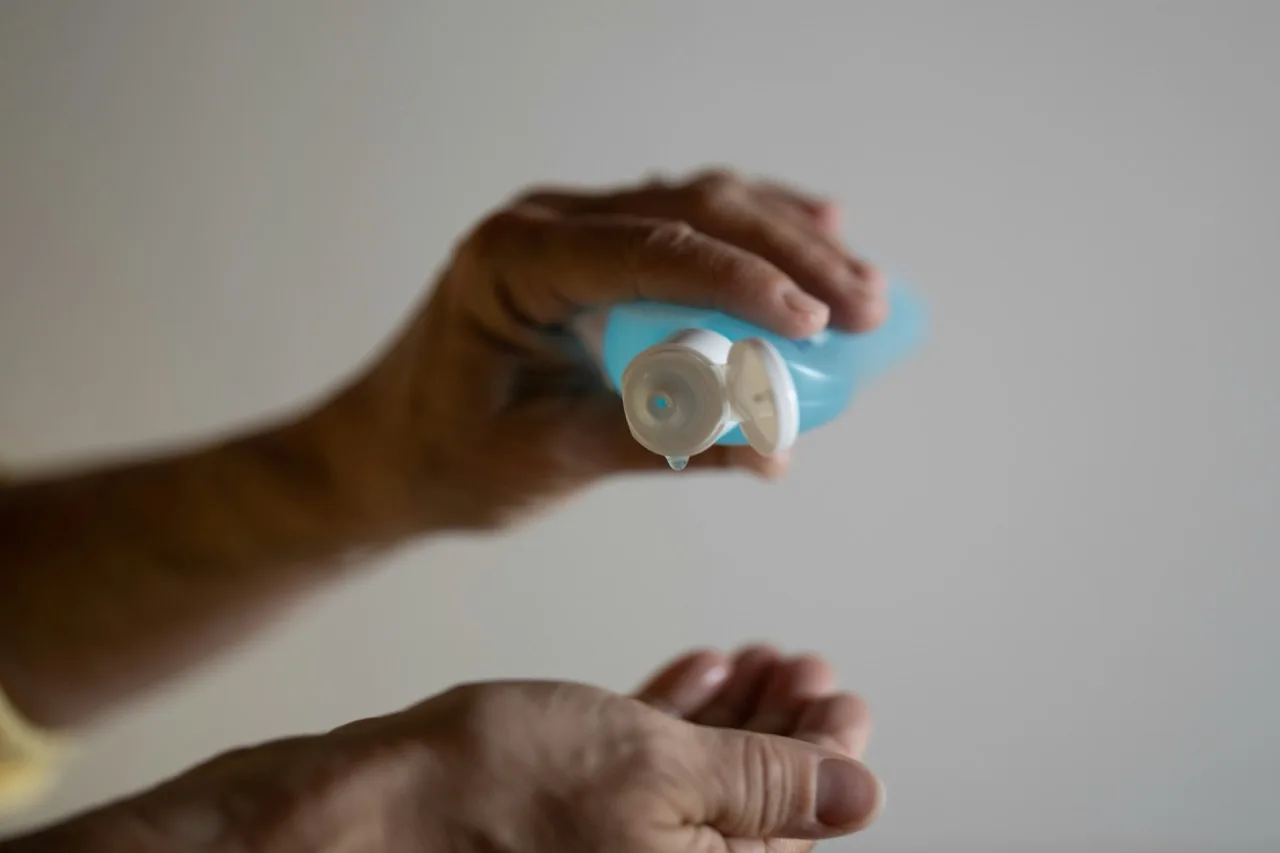
Medicated Balancing Lotion (Kesho-Sui): Pour a coin-sized amount of niacinamide lotion into your hands and press it gently across your face until absorbed.
Targeted Serums: If combining with vitamin C derivatives, tranexamic acid, or gentle peptides, layer them according to formula viscosity.
Protective Emulsion or Cream: Seal the active hydration with an emulsion containing squalane or biomimetic ceramides to lock the skin barrier.
Broad-Spectrum Sun Protection: Finish your morning routine with an SPF 50+ PA++++ sunscreen.
Dermatologists agree that sunscreen and moisturizer are the two most-effective anti-aging products you can buy, creating an essential daily defense layer[2]. In addition, anti-aging skin care products will work best if they are formulated for your skin type, ensuring steady absorption without irritation[2].
Comparing Japanese quasi-drug niacinamide with Western serums
International skincare enthusiasts often ask how Japanese niacinamide formulas compare with popular Western offerings featuring 10% or 20% concentrations.
Concentration Philosophy: High-concentration Western serums focus on rapid pore control and oil balance, but they can occasionally induce flushing or tingling in reactive complexions. Japanese quasi-drug formulations typically utilize stabilized concentrations (around 2% to 5%) optimized for high tolerance, extended daily use, and barrier protection.
Texture Elegance: Rather than sticky or tacky drops, Japanese brands favor fluid lotions, lightweight milk emulsions, and water-burst gels that absorb rapidly without pilling under sunscreen.
Synergistic Formulations: Domestic Japanese products routinely blend niacinamide with multiple weights of sodium hyaluronate, dipotassium glycyrrhizate, and ferment filtrates for rounded holistic skin balance.
Signs to stop and when to see a doctor
Although niacinamide ranks among the gentlest dermatological actives, sensitivities can emerge, particularly when layering multiple concentrated products simultaneously.
Flushing and Transient Redness: Temporary facial warmth and blushing can occur if niacinamide undergoes mild conversion to nicotinic acid under acidic conditions, or when combined immediately with low-pH exfoliating toners.
Persistent Pruritus or Papules: Persistent itching, swelling, or small red bumps indicate an allergic contact dermatitis to the vehicle formula, emulsifiers, or preservatives.
Elevated Peeling or Roughness: Unexpected flaking suggests compromised barrier integrity, requiring a temporary return to basic barrier creams and bland cleansers.
When to Consult a Dermatologist: Seek professional evaluation if facial swelling persists beyond 48 hours, if signs of contact allergies worsen, or if you suspect persistent pigmentary changes are related to chronic dermatological conditions rather than superficial sun damage.
FAQ
Q1. Can Japanese niacinamide quasi-drugs be used both morning and night?
A. Yes, niacinamide is non-phototoxic and stable for twice-daily application.(Details)
Unlike retinoids or certain alpha hydroxy acids that increase photosensitivity, niacinamide remains stable under sunlight and does not make skin vulnerable to UV damage. Applying it in the morning supports antioxidant defense beneath your sunscreen, while evening use supports barrier restoration and cellular hydration during sleep.
Q2. How quickly can I expect to see visible wrinkle improvements?
A. Fine dry lines soften within 2 to 4 weeks, while deeper structural creases require 8 to 12 weeks.(Details)
Because Japanese quasi-drug testing evaluates biological dermal and epidermal responses over standardized trial periods, genuine wrinkle improvement follows cumulative collagen support. Surface dryness and expression creasing improve quickly through hydration, but structural depth changes require sustained daily application across 2 to 3 skin renewal cycles.
Q3. Can I use niacinamide together with vitamin C in the same routine?
A. Yes, modern stabilized formulations can be used together safely.(Details)
Older skincare myths suggested that niacinamide and ascorbic acid cancel each other out or create severe flushing. In modern cosmetic formulations, stabilized vitamin C derivatives and quasi-drug niacinamide complement each other harmoniously, targeting hyperpigmentation through two distinct biological pathways for enhanced skin clarity.
Q4. What does the term Quasi-Drug (Iyakubugaihin) mean on Japanese labels?
A. It signifies that the product contains approved active ingredients at verified therapeutic percentages.(Details)
A Japanese quasi-drug sits between regular cosmetics and prescription medications. The Ministry of Health, Labour and Welfare verifies that the active ingredient is present at a concentration demonstrated to provide specific approved effects—such as wrinkle improvement or spot prevention—while maintaining cosmetic safety for unrestricted daily consumer use.
Q5. Is a higher percentage of niacinamide always better for aging skin?
A. No, optimal clinical efficacy for wrinkles and spots occurs between 2% and 5%.(Details)
Dermatological research confirms that niacinamide delivers its primary benefits—collagen support, pigment inhibition, and ceramide synthesis—at moderate concentrations of 2% to 5%. Concentrations exceeding 10% do not significantly increase anti-wrinkle efficacy and substantially elevate the potential for cutaneous irritation and flushing.
Summary
Japanese niacinamide quasi-drugs represent a pinnacle of balanced cosmetic engineering, combining proven regulatory efficacy for wrinkle improvement and dark spot prevention with gentle, skin-friendly textures. By fortifying the epidermal barrier, curbing melanin distribution, and sustaining all-day hydration, these thoughtful medicated formulas offer a dependable, irritation-free foundation for lifelong skin health.
Disclaimer: This article is for general information and education about Japanese cosmetics and their labels. It is not a substitute for professional medical advice, diagnosis, or treatment. Skincare results vary from person to person. Product formulas, availability, prices, and regulations change, and products sold in Japan can differ from versions sold elsewhere, so always check the current label. Do a patch test before introducing a new product, and consult a doctor or dermatologist if you have a skin condition or specific concerns.