title: Japanese Panthenol Skincare: Pro-Vitamin B5 Guide
slug: japanese-panthenol-pro-vitamin-b5-soothing
category: ingredients
category_label: Ingredients & Science
published_at: '2026-11-23'
updated_at: '2026-11-23'
meta_description: Learn how Japanese skincare uses panthenol (pro-vitamin B5) for soothing barrier support. Discover pantothenic acid science, layering, and daily rituals.
description: Learn how Japanese skincare uses panthenol (pro-vitamin B5) for soothing barrier support. Discover pantothenic acid science, layering, and daily rituals.
hero_image: /images/stock/panthenol-provitamin-b5-barrier-hydration.webp
hero_image_alt: Molecular and functional diagram of panthenol pro-vitamin B5 supporting skin barrier hydration
thumbnail: /images/stock/panthenol-provitamin-b5-barrier-hydration.webp
thumbnail_alt: Molecular and functional diagram of panthenol pro-vitamin B5 supporting skin barrier hydration
reading_time: 6
author: Editorial Team
publish: true
Japanese Panthenol Skincare: Pro-Vitamin B5 Guide
Quick answer
Panthenol (pro-vitamin B5) is a biologically active alcohol that converts into pantothenic acid upon absorption into the skin. In Japanese formulations, D-panthenol is prized for its dual ability to bind deep humectant moisture within the stratum corneum and soothe redness without occlusive heaviness, making it a staple for reactive, post-procedure, or seasonal barrier sensitivity.
While powerhouse actives like retinol, pure ascorbic acid, and exfoliating acids dominate marketing headlines, dermatological health fundamentally hinges on barrier stability. In Japanese cosmetic science, formulators prioritize ingredients that fortify the moisture barrier without inflicting micro-stress on reactive tissue. Among these gentle guardians, panthenol—often labeled as pro-vitamin B5 or D-panthenol—holds an esteemed position.
Long recognized in pharmaceutical ointments, panthenol has experienced a major resurgence across modern Japanese skincare. Whether infused into featherlight conditioning waters (keshosui), restorative milky emulsions (nyueki), or post-sun soothing gels, Japanese laboratories harness panthenol's unique molecular behavior to soothe irritation and maintain optimal hydration equilibrium.
The Molecular Science: How Pro-Vitamin B5 Functions
Panthenol is the biologically stable alcohol analog of pantothenic acid (vitamin B5). Because pure pantothenic acid is unstable in aqueous cosmetic formulas, cosmetic chemists utilize D-panthenol (dexpanthenol), which readily permeates the outer epidermis:
Intracellular Conversion: Once absorbed across the stratum corneum, living epidermal cells enzymatically oxidize panthenol into pantothenic acid.
Coenzyme A Biosynthesis: Pantothenic acid serves as an indispensable building block of Coenzyme A (CoA), a vital cofactor driving cellular energy production, fatty acid synthesis, and physiological lipid turnover.
Hydrophilic Moisture Locking: Beyond its biochemical enzymatic pathway, panthenol features multiple hydroxyl (-OH) groups. This chemical architecture gives it extraordinary humectant properties, enabling it to bond with water molecules and slow transepidermal water loss (TEWL) alongside natural moisturizing factors (NMF).
Scroll horizontally to view full table
Parameter
D-Panthenol (Pro-Vitamin B5)
Pure Pantothenic Acid
Niacinamide (Vitamin B3)
Chemical Nature
Stable provitamin alcohol liquid
Unstable water-soluble organic acid
Stable water-soluble amide
Skin Permeability
High absorption into upper epidermis
Poor topical shelf-stability
Excellent stratum corneum diffusion
Primary Mechanism
Bio-conversion to CoA; moisture binding
Direct cellular nutrient cofactor
NAD/NADP precursor; ceramide synthesis
Sensory Texture
Velvety humectant glide; zero sting
Acidic; rarely used topically
Silky watery vehicle; occasional flush
Formulation Focus
Barrier comfort, post-sun soothing
Nutritional oral dietary supplements
Sebum balance, brightening, elasticity
The Japanese Formulation Philosophy: Synergy Over Concentration
In Western skincare, single-ingredient serums frequently promote ultra-high concentrations (such as 10% or 12% panthenol), which can occasionally feel sticky or heavy on the skin. Japanese formulation ideology approaches panthenol with a different emphasis: harmonious synergy, elegant sensory touch, and multi-pathway soothing.
1. Pairing with Quasi-Drug Anti-Roughness Actives
Under Japanese statutory frameworks, panthenol is frequently combined with approved quasi-drug actives—notably dipotassium glycyrrhizate (kanzo-ekisu) and allantoin. While glycyrrhizic compounds mitigate surface irritation cascades, panthenol reinforces deep water retention within the intercellular matrix.
2. The Ceramide and Squalane Interlocking Matrix
Water-binding humectants require lipid occlusives to retain moisture effectively. Japanese emulsions blend panthenol with human-type ceramides (NP, AP, EOP) and plant-derived squalane, forming a biomimetic veil that locks in moisture without congesting pores.
3. Alcohol-Free and Fragrance-Free Formulations
For sensitive complexions experiencing seasonal changes (yuragi-hada), Japanese brands formulate panthenol into strictly minimalist, low-irritation bases free of synthetic dyes, mineral oils, drying alcohols, and volatile perfumes.
How to Layer Panthenol in Your J-Beauty Routine
Because panthenol carries a neutral pH and non-irritating safety profile, it integrates into almost any skincare regimen without ingredient clashes:
Step 1: Gentle Cleansing: Start with a mild, low-friction foam or cleansing milk that respects natural intercellular lipids.
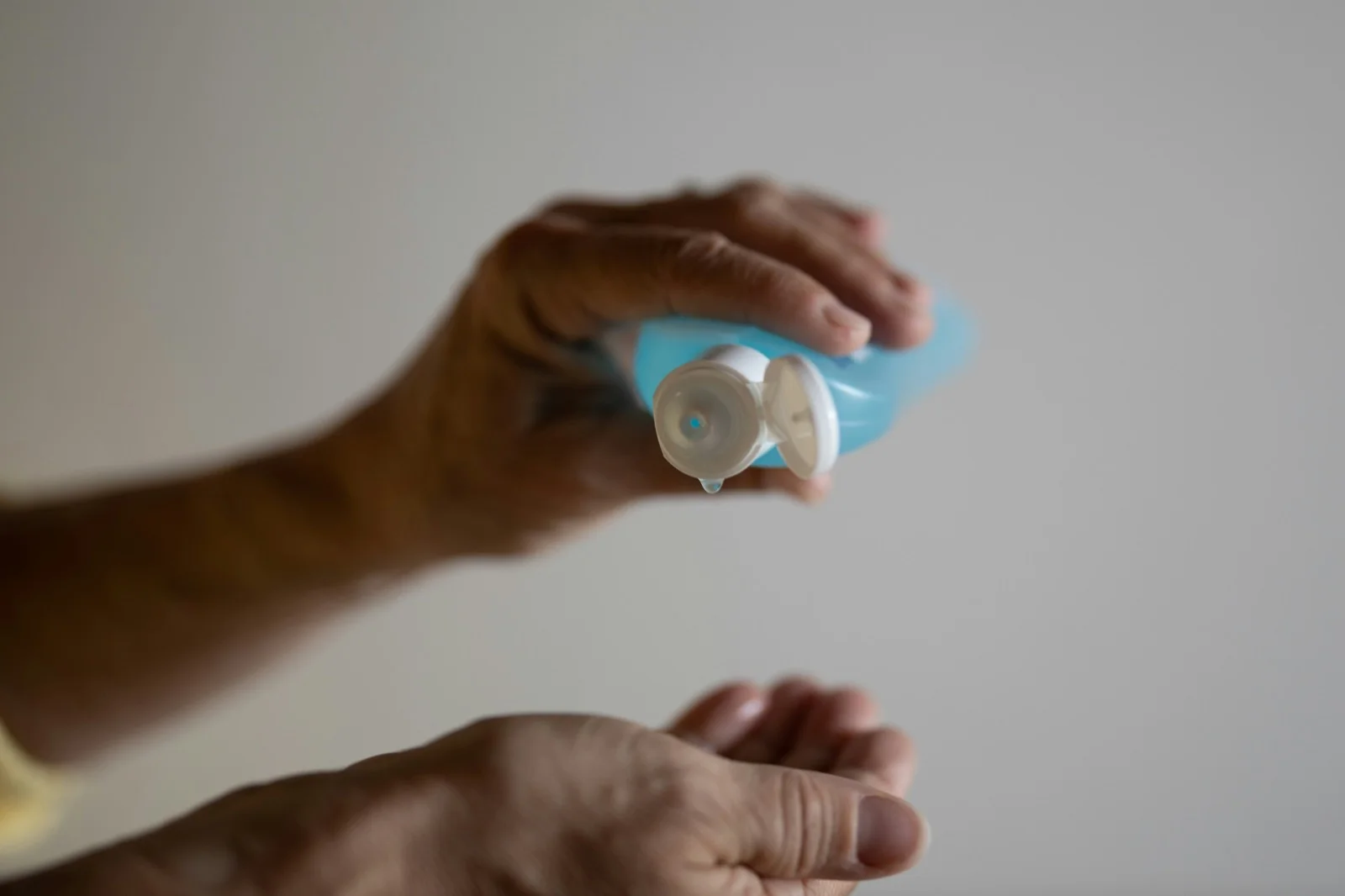
Step 2: Hydrating Toner (Keshosui): Apply a panthenol-infused watery lotion. Gently press into facial contours with warm, relaxed palms.
Step 3: Concentrated Barrier Essence: If recovering from excessive wind, sun, or harsh weather, layer a targeted panthenol serum over cheeks and delicate zones.
Step 4: Moisture Emulsion or Gel (Nyueki): Smooth on a lightweight ceramide emulsion to seal in water-soluble actives.
Step 5: Morning Sun Protection: Conclude your morning routine with broad-spectrum UV defense. Regarding sunscreens, their consistent daily use is strongly recommended from the medical standpoint of future skin damage and skin cancer prevention.[2] Panthenol keeps skin supple beneath UV filters, preventing chalky flaking or tightness.
Furthermore, diligent daily photoprotection helps mitigate tissue injury over time. Normal biological aging involves the natural decline of physiological functions over time, whereas photoaging represents chronic, cumulative ultraviolet injury sustained by the skin tissue.[3]
Ideal Candidates for Japanese Panthenol Care
Japanese panthenol formulations are particularly well-suited for individuals navigating specific barrier challenges:
Post-Sun or Windburn Recovery: Calms acute cutaneous warmth and surface flaking following outdoor recreational exposure.
Retinol or Exfoliant Buffer: Mitigates the dryness and tightness commonly experienced when introducing retinoids or gentle fruit acids.
Sensitive & Compromised Barriers: Provides deep hydration for complexions that sting or flush when exposed to standard multi-active lotions.
Shaving and Beard-Area Comfort: Offers lightweight, pore-friendly relief for men experiencing post-shave razor friction and irritation.
Signs to stop and when to see a doctor
While dexpanthenol is clinically celebrated for its gentle profile, individual cutaneous sensitivities can still emerge:
Immediate Cessation: If you experience sharp burning, localized itching, hives, or swelling upon application, rinse thoroughly with cool water and discontinue the product.
Recognizing Contact Reactions: Contact dermatitis is a common condition encountered in dermatological practice, and if the specific triggering substance is identified and contact is discontinued, it is considered a condition that can be fully resolved.[1]
When to Consult a Physician: If persistent rash, facial blisters, or deep inflammation fail to improve within 48 to 72 hours, consult a board-certified dermatologist. Complex eruptions may stem from allergies to vehicle preservatives, botanicals, or emulsifiers rather than panthenol itself.
FAQ
Q1. Can panthenol be used alongside vitamin C and niacinamide?
A. Yes, panthenol pairs harmoniously with both vitamins.(Details)
Panthenol is chemically non-reactive and operates across a broad, skin-friendly pH range (4.0 to 7.0). Layering panthenol alongside pure ascorbic acid or niacinamide cushions the skin barrier, substantially reducing the tingling sensation sometimes triggered by acidic or high-strength actives.
Q2. Does panthenol clog pores or cause acne breakouts?
A. No, pure panthenol is water-soluble and resists pore congestion.(Details)
Panthenol is an alcohol humectant, not an occlusive oil or wax. It does not block sebaceous channels or feed Cutibacterium acnes. However, always review the carrier formula; if panthenol is housed in a heavy mineral oil cream, that emollient base might prove too rich for acne-prone skin.
Q3. Is panthenol safe for pregnant and nursing mothers?
A. Yes, topical panthenol has an established maternal safety profile.(Details)
Pro-vitamin B5 is an essential dietary nutrient present in healthy human biology. Topical cosmetic applications do not result in systemic toxicity, making panthenol a preferred hydrating choice for managing pregnancy-related cutaneous dryness and sensitivity.
Q4. What is the difference between panthenol and dexpanthenol?
A. Dexpanthenol is the biologically active D-enantiomer of panthenol.(Details)
Panthenol exists in two stereoisomers: D-panthenol and L-panthenol. Only the D-form (dexpanthenol) is enzymatically converted into vitamin B5 (pantothenic acid) within human skin cells. Premium Japanese cosmetics exclusively formulate with high-grade D-panthenol for verified efficacy.
Q5. Can panthenol be applied to dry lips and eye contours?
A. Yes, it is gentle enough for delicate periorbital and lip tissue.(Details)
Because the skin around the eyes and lips lacks sebaceous glands, it dehydrates easily. Panthenol-infused eye essences and lip treatments bind moisture deep within fragile epidermal layers, smoothing micro-cracks without causing stinging or irritation.
Summary
Japanese panthenol skincare represents a thoughtful synthesis of biological comfort and pharmaceutical rigor:
Bio-Active Pro-Vitamin: Readily converts to pantothenic acid within cells, supporting natural Coenzyme A pathways and barrier vitality.
Superior Humectant Binding: Attracts and holds moisture within the stratum corneum without heavy occlusive greasiness.
Balanced J-Beauty Formulas: Pairs harmoniously with quasi-drug anti-roughness actives and ceramides for gentle, comprehensive care.
Universal Routine Compatibility: Easily incorporated across morning and night rituals, buffering potent actives and calming seasonal redness.
References
The Japanese Dermatological Association. Dermatological Q&A on Contact Dermatitis: Pathophysiology and Identifying Causative Contact Triggers (Q1). https://www.dermatol.or.jp/qa/qa4/q01.html (Accessed 2026-11-23)
The Japanese Dermatological Association. Dermatological Q&A on Sunscreen Application for Long-Term Prevention (Q25). https://www.dermatol.or.jp/qa/qa3/q25.html (Accessed 2026-11-23)
The Japanese Dermatological Association. Sunburn Q&A on Photoaging and Biological Alterations in Aging Skin (Q5). https://www.dermatol.or.jp/qa/qa2/q05.html (Accessed 2026-11-23)
Disclaimer: This article is for general information and education about Japanese cosmetics and their labels. It is not a substitute for professional medical advice, diagnosis, or treatment. Skincare results vary from person to person. Product formulas, availability, prices, and regulations change, and products sold in Japan can differ from versions sold elsewhere, so always check the current label. Do a patch test before introducing a new product, and consult a doctor or dermatologist if you have a skin condition or specific concerns.