Japanese PDRN Skincare: Masks and Serums Trend Explained
IngredientsBy Editorial Team
slug: japanese-pdrn-skincare-masks-and-serums-trend
title: Japanese PDRN Skincare: Masks and Serums Trend Explained
meta_description: Discover the Japanese PDRN skincare trend. Learn how salmon-derived DNA masks and serums deliver intense hydration, suppleness, and barrier support.
category: ingredients
tags: [Japanese Skincare, PDRN, Sheet Masks, Facial Serums, J-Beauty Trend]
author: Editorial Team
published_at: 2026-11-22
updated_at: 2026-11-22
reading_time: 6
publish: true
Japanese PDRN Skincare: Masks and Serums Trend Explained
Walk through any major Japanese drugstore or beauty boutique today, and you will notice a surge in skincare products featuring PDRN (Polydeoxyribonucleotide). Originally recognized in clinical aesthetics through salmon DNA injections, this biomaterial has rapidly transitioned into topical J-Beauty formulations. Japanese cosmetic developers have adapted low-molecular DNA fragments into gentle daily sheet masks, lightweight serums, and barrier creams designed to combat modern environmental dehydration.
Quick answer: What is Japanese PDRN skincare?
Topical PDRN in Japanese cosmetics is typically listed on ingredient decks as Sodium DNA (DNA-Na) or Hydrolyzed DNA. Extracted primarily from salmon or plant sources, these nucleotide polymers do not alter human cellular DNA or provide medical tissue restoration. Instead, when applied topically, PDRN functions as a superior water-binding humectant and skin-conditioning agent. It reinforces the moisture barrier of the stratum corneum, smooths rough skin texture, and imparts a plump, resilient glow.
The science behind topical PDRN: Cosmetic hydration vs medical injections
Much of the international intrigue surrounding PDRN stems from dermatology clinics where salmon DNA is administered via micro-needles to stimulate fibroblasts. However, cosmetic regulations in Japan clearly distinguish between injectable medical procedures and topical over-the-counter skincare.
Topical PDRN cannot cross past the epidermal barrier into the deeper dermis. Instead, Japanese cosmetic chemists leverage its remarkable molecular affinity for water molecules:
Enhanced Water Retention: Nucleotide polymers create a flexible, breathable film on the surface of the stratum corneum that locks in essential moisture and prevents transepidermal water loss (TEWL).
Skin Conditioning: By soothing irritated surface layers, PDRN supports the natural renewal cycle of dry, environmentally stressed complexions.
Synergistic Layering: Japanese formulations frequently pair PDRN with hyaluronic acid, peptides, and botanical cica extracts to amplify hydration without heavy grease.
Sheet masks vs daily serums: Choosing the right format
The Japanese PDRN boom has produced distinct product formats tailored to different lifestyles and skin preferences.
Scroll horizontally to view full table
Format
Key Ingredients
Texture & Feel
Target Usage
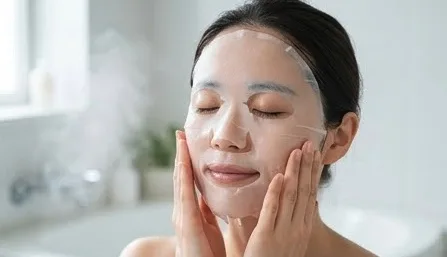
Daily Sheet Masks
PDRN (DNA-Na), Hyaluronic Acid, Cica
Ultra-thin microfiber soaked in watery essence
5–10 minute morning prep or evening hydration booster
Booster Serums
Micro-PDRN, Peptides, Niacinamide
Silky, fast-absorbing liquid with zero tackiness
Applied immediately after cleansing to prime the skin
Encapsulated Creams
PDRN capsules, Ceramides, Squalane
Nourishing cream that bursts upon contact
Final step to lock in hydration for dry or mature skin
Sheet masks remain the most accessible entry point for newcomers. Japanese packaging often offers multi-sheet dispenser boxes (such as 30-sheet daily packs) that encourage consistent, gentle hydration without overwhelming the skin with heavy emollients.
How to incorporate PDRN into your Japanese skincare routine
To gain maximum moisture retention from topical PDRN products, proper layering order is key:
Gentle Cleansing: Wash away surface impurities with a mild, pH-balanced Japanese foam or cleansing oil.
Hydrating Lotion (Kesho-Sui): Pat a generous layer of hydrating toner to prep the stratum corneum with baseline moisture.
PDRN Mask or Serum: Apply your PDRN serum or unfold a sheet mask over the face for 5 to 10 minutes. If using both, apply the serum before the mask for an intensive moisture bath.
Moisturizing Seal: Seal the hydration with an emulsion (Nyueki) or cream. As dermatological guidance confirms, the moisturizer is more effective because it traps water in the skin and keeps it from evaporating[2].
Signs to stop and when to see a doctor
While topical PDRN is generally well-tolerated by dry and sensitive skin types, individuals with specific fish allergies or sensitivities to formulation preservatives must exercise caution. Official Japanese manufacturer safety guidelines advise that consumers should carefully observe your skin for any abnormalities before and during application[1].
To prevent adverse dermal reactions, manufacturers explicitly direct users that you must never apply formulas to areas with cuts, swelling, eczema, or active lesions[1].
Discontinue use immediately if you experience:
Persistent erythema (redness), hives, or contact itching across application zones
Uncharacteristic burning or warmth immediately following mask removal
Sudden breakout flares or swelling around delicate eye and lip contours
If an unexpected reaction occurs, official Japanese safety protocols recommend to discontinue use immediately if the product does not agree with your skin and consult a dermatologist to prevent worsening symptoms[1]. Furthermore, if you suffer from chronic inflammatory skin disorders or underlying dermatitis, dermatologists advise to consult a dermatologist if severe dryness persists because you may need a prescription and help optimizing your home skin care routine[2].
FAQ
Q1. Is topical PDRN as effective as salmon DNA injections?
A. No, they serve completely different biological purposes. (Details)
Medical injections deliver polynucleotides deep into the dermal tissue under physician supervision. In contrast, topical cosmetics work strictly on the surface stratum corneum as humectants and conditioning agents. They cannot duplicate the structural results of clinical injections, but they excel at providing non-invasive surface hydration and radiance.
Q2. Can people with fish or seafood allergies use salmon-derived PDRN?
A. Caution is advised, and a patch test is strongly recommended. (Details)
While cosmetic PDRN undergoes extensive purification to remove proteins and lipids, trace biological components may remain depending on the raw material supplier. Those with severe seafood allergies should perform an overnight patch test on the inner forearm or opt for plant-derived alternatives.
Q3. Can I use PDRN daily or with active ingredients like retinol?
A. Yes, topical PDRN is gentle and pairs well with actives. (Details)
Because topical PDRN functions as a soothing humectant rather than an exfoliant, it can be used morning and evening. In fact, many J-Beauty routines pair PDRN masks with retinol or exfoliating acids to cushion the skin and minimize dryness.
Q4. How does PDRN differ from hyaluronic acid?
A. PDRN offers higher film elasticity alongside hydration. (Details)
Hyaluronic acid binds massive amounts of water in the skin, while PDRN provides both water retention and surface-conditioning nucleotide units. Many Japanese formulas combine both ingredients to create a lightweight, multi-depth moisture veil.
Q5. How can I identify genuine PDRN on Japanese ingredient lists?
A. Look for Sodium DNA (*DNA-Na*) or Hydrolyzed DNA. (Details)
Japanese cosmetic labeling regulations require standardized nomenclature on the back label. Even if the front box advertises "PDRN," the official ingredient list will typically display "DNA-Na" (Sodium DNA) or "Hydrolyzed DNA."
Summary
The Japanese PDRN skincare trend reflects J-Beauty's philosophy of gentle, barrier-first hydration. By transforming purified nucleotide biomaterials into accessible daily sheet masks and lightweight booster serums, these products provide deep surface moisture, enhance skin elasticity, and calm environmental irritation. By understanding the distinction between cosmetic conditioning and medical procedures, consumers can effectively harness PDRN for a plump, healthy, and luminous complexion.
Disclaimer: This article is for general information and education about Japanese cosmetics and their labels. It is not a substitute for professional medical advice, diagnosis, or treatment. Skincare results vary from person to person. Product formulas, availability, prices, and regulations change, and products sold in Japan can differ from versions sold elsewhere, so always check the current label. Do a patch test before introducing a new product, and consult a doctor or dermatologist if you have a skin condition or specific concerns.