title: Japanese Placenta Extract Skincare: History, Science, and Modern Role slug: japanese-placenta-extract-skincare-beauty-history category: ingredients published_at: '2026-11-23' updated_at: '2026-11-23' meta_description: Discover the history and science of Japanese placenta extract skincare, quasi-drug brightening roles, amino acid benefits, and fermentation advances. keywords:
- japanese placenta extract
- placenta serum history
- geneki undiluted extract
- fermented placenta skincare
- quasi drug brightening ingredient lead_image: /images/stock/amber-dropper-serum-bottle-on-linen.webp lead_image_alt: Traditional Japanese amber glass dropper bottle containing undiluted placenta extract serum publish: true
Japanese Placenta Extract Skincare: History, Science, and Modern Role
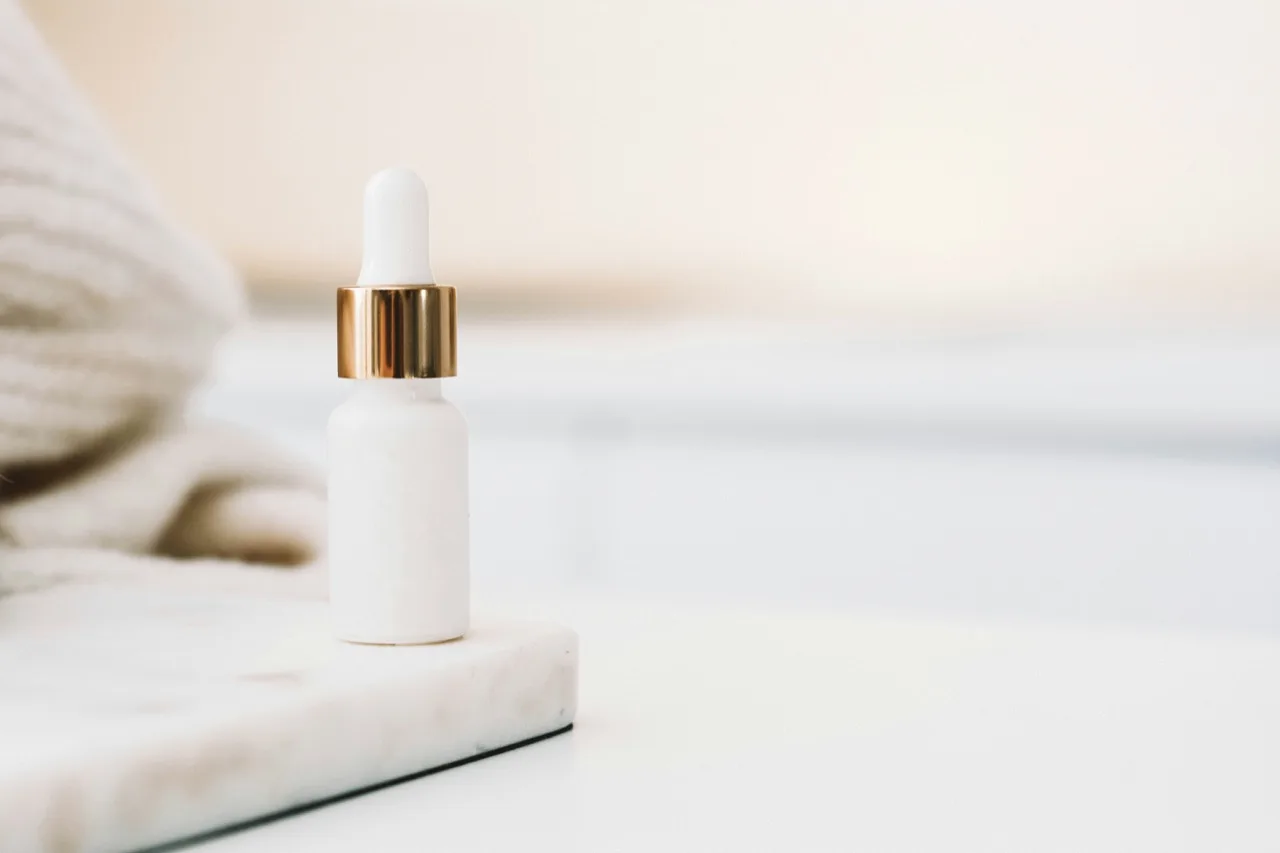
For international visitors browsing Japanese drugstores and cosmetics floors, few specialty ingredients arouse as much curiosity as placenta extract (purasenta ekisu). Packaged in medicinal amber dropper bottles labeled as raw or undiluted extract (gen-eki), placenta skincare has occupied an enduring cornerstone of Japan's beauty landscape for over half a century. Understanding its history, regulatory standing, and modern biotechnology reveals why Japanese consumers continue to trust this classic active.
Quick answer: In Japanese cosmetic science, placenta extract refers to a purified, sterile filtration of porcine or equine placental tissue rich in essential amino acids, peptides, and trace minerals. Regulated by Japan's Ministry of Health, Labour and Welfare as an approved quasi-drug brightening active and cosmetic humectant, it supports surface moisture, skin translucency, and natural renewal without hormonal activity.
Historical origins: from clinical medicine to daily cosmetics
The integration of placenta into Japanese personal care originated in post-war clinical medicine during the 1950s. Japanese medical researchers initially developed sterile water-soluble placenta injections for therapeutic liver support and gynecological wellness under strict pharmaceutical oversight.
By the 1980s and 1990s, cosmetic dermatologists recognized that topical applications delivered extraordinary benefits for parched, lackluster skin. Japan's regulatory authorities subsequently evaluated topical placenta extract, officially approving it as an active ingredient in quasi-drugs (Iyakubugaihin) specifically designated to prevent dark spots and freckles by curbing excess melanin synthesis.
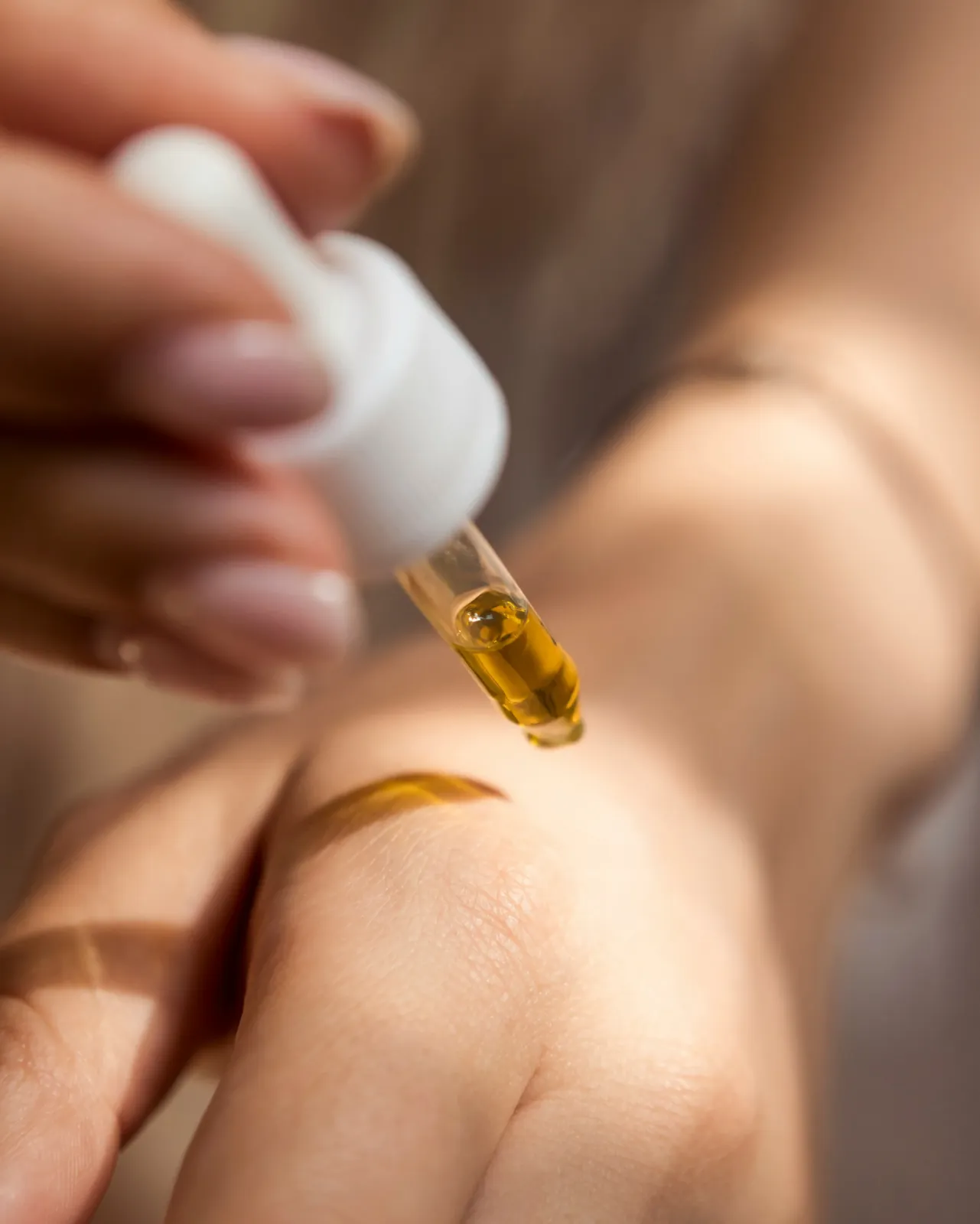
Domestic biotechnology firms quickly pioneered the standalone pure liquid format. Known domestically as raw extract or gen-eki, these minimalist water-thin formulas stripped away unnecessary thickeners, silicones, and artificial fragrances, allowing consumers to customize their existing routines by layering pure actives directly onto freshly cleansed skin.
Sourcing, purification, and safety standards
A common question among Western consumers centers on biological safety and ingredient sourcing. In Japan, placenta cosmetics are governed by stringent regulatory guidelines under the Standards for Biological Raw Materials established by the Ministry of Health, Labour and Welfare.
- Domestic Sourcing Control: Japanese cosmetic manufacturers source placental tissues exclusively from certified, disease-free domestic farm animals—primarily specific-pathogen-free (SPF) pigs and thoroughbred horses raised in Hokkaido.
- Complete Hormone Removal: Unlike prescription medical preparations, cosmetic placenta extracts undergo multi-stage heat sterilization, molecular enzymatic cleavage, and ultra-membrane filtration. This rigorous purification removes all detectable hormones (such as estrogen and progesterone), viable cellular matter, and potential blood proteins.
- Pure Nutrient Spectrum: What remains is a sterile, water-soluble biological cocktail composed of low-molecular amino acids, nucleic acid bases, vitamins, and moisturizing peptides.
Official cosmetic documentation specifies fermented placenta extract as a moisturizing ingredient designed to deliver cosmetic nourishment directly into the stratum corneum[1].
Modern advances: fermentation and nano-technology
While traditional placenta extracts remain popular staples, modern Japanese laboratories have advanced the science through microbial biotechnology and fermentation.
Scroll horizontally to view full table
| Extraction Generation | Primary Processing Method | Cosmetic Benefit |
|---|---|---|
| Classic Placenta Extract | High-temperature enzymatic breakdown and filtration | Suppresses melanin transfer, softens dry texture, and hydrates the epidermis |
| Fermented Placenta | Co-fermentation with specialized probiotic cultures and yeast | Significantly multiplies free amino acids, sialic acid, and active peptides |
| Nano-Emulsified Lipids | Ultra-fine acoustic cavitation to shrink lipid vesicle size | Enhances stratum corneum absorption speed and barrier lipid restoration |