Japanese Sake & Koji Skincare: Ferment Brightening
IngredientsBy Editorial Team
title: Japanese Sake & Koji Skincare: Ferment Brightening
slug: japanese-sake-koji-skincare-brightening-microbiome
category: ingredients
published_at: '2026-11-23'
updated_at: '2026-11-23'
meta_description: Explore Japanese sake and koji skincare secrets, from toji brewery hands to microbiome support. Discover key amino acids, ferments, and gentle hydration.
keywords:
japanese sake skincare
koji ferment brightening
toji hands beauty secret
rice ferment filtrate
j-beauty microbiome care
lead_image: /images/stock/natural-botanical-ferment-hydration.webp
lead_image_alt: Natural rice fermentation elements and botanical hydration essence
thumbnail: /images/stock/natural-botanical-ferment-hydration.webp
thumbnail_alt: Natural rice fermentation elements and botanical hydration essence
author: Editorial Team
publish: true
Japanese Sake & Koji Skincare: Ferment Brightening
For centuries, visitors to traditional Japanese sake breweries (sakagura) marveled at an intriguing cosmetic anomaly: elderly brewmasters (toji) whose hands remained remarkably soft, luminous, and supple despite working daily in freezing winter conditions and handling ice-cold well water. This folk observation sparked decades of modern cosmetic biochemistry, uncovering the unique bio-ferment complexes hiding inside Aspergillus oryzae (koji mold), fermented rice mash, and sake lees (sake kasu).
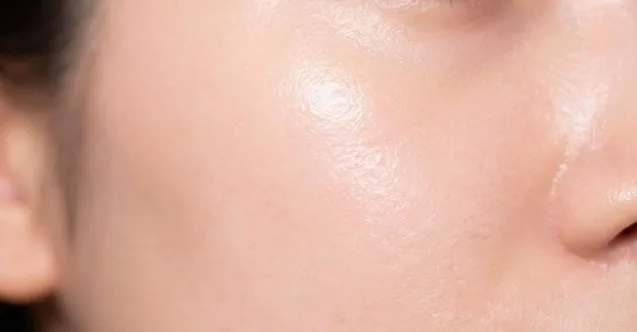
Today, Japanese sake and koji skincare stands as a cornerstone of J-Beauty's fermentation philosophy. Rather than deploying harsh chemical acids to force skin shedding, sake-derived ferment filtrates support the natural stratum corneum barrier, balance the cutaneous microbiome, and gently refine overall skin tone.
Quick answer: Japanese sake and koji skincare utilizes rice ferment filtrates (*kome hakko eki*) and sake lees extracts produced during traditional brewing. Fermentation breaks down dense rice starches and proteins into bio-available amino acids, ferulic acid, peptides, and kojic acid precursors. These micro-nutrients strengthen the skin's moisture barrier, boost natural humectants (NMF), and clarify dull uneven tone without disrupting the delicate cutaneous microbiome.
Scroll horizontally to view full table
Component
Primary Bioactive Agents
Skin Benefits
Koji Ferment (Aspergillus oryzae)
Kojic acid precursors, enzymes
Gently clarifies tone and softens rough texture
Rice Ferment Filtrate (Sake)
Free amino acids, organic acids
Restores natural moisturizing factors (NMF)
Sake Lees (Sake Kasu)
Vitamins B complex, ceramides, peptides
Nourishes lipid barrier and imparts radiant translucency
Fermented Pitera/Yeast Broth
Polysaccharides, mineral chelates
Supports microbial diversity and surface resilience
From Sacred Breweries to Modern Dermatology: The Toji Discovery
The story of sake skincare begins with toji craftsmen who oversee the winter brewing cycle. Their hands are continuously submerged in steamed rice, koji starter, and warm fermenting mash. Early researchers identified that fermentation creates a natural cocktail of low-molecular-weight amino acids and kojic acid derivatives that inhibit tyrosinase activity while reinforcing hydration.
In contemporary Japanese beauty formulations, breweries work directly with dermatological laboratories to purify these extracts. Historic houses like Kiku-Masamune have formulated beloved everyday lotions around genuine Japanese sake that delivers moisture and conditions skin health[2]. Modern versions are further enriched with highly moisturizing amino acids such as glutamic acid, arginine, and leucine plus ceramides to help lock in long-lasting bounce[2].
The Science of Fermentation: How Koji Supports the Skin Microbiome
Human skin is inhabited by trillions of beneficial micro-organisms that form the cutaneous acid mantle. Conventional high-strength exfoliants or overly alkaline cleansers can strip these protective bacterial populations, causing redness, barrier compromise, and heightened trans-epidermal water loss (TEWL).
Fermentation transforms raw rice through a series of catalytic actions:
Molecular Weight Reduction: Large starch molecules and proteins are cleaved into tiny oligopeptides and single amino acids, allowing them to absorb easily into surface strata.
Organic Acid Synthesis: Lactic and succinic acids naturally produced during fermentation balance epidermal pH around 4.5 to 5.5, creating an optimal environment for resident probiotic species like Staphylococcus epidermidis.
Bioactive Antioxidant Release: Koji breaks down plant cell walls to liberate ferulic acid and polyphenol complexes, which shield surface lipids from UV-induced oxidation.
How to Incorporate Sake & Koji Products into Your Daily Routine
To gain the greatest benefits from fermented skincare, gentle application is paramount. Aggressive rubbing or layering conflicting active ingredients can negate the barrier-supporting benefits of ferments.
Dermatologists at the American Academy of Dermatology (AAD) advise: "Wet your face with lukewarm water and use your fingertips to apply cleanser" before patting in hydrating steps[1]. They emphasize: "Resist the temptation to scrub your skin because scrubbing irritates the skin"[1]. Because fermented essences already possess mild enzymatic smoothing properties, there is no need to aggressively rub cotton pads over the skin.
Follow these simple steps for optimal results:
Step 1: Prep with Lukewarm Water: Cleanse gently using fingertips to remove surface impurities without stripping.
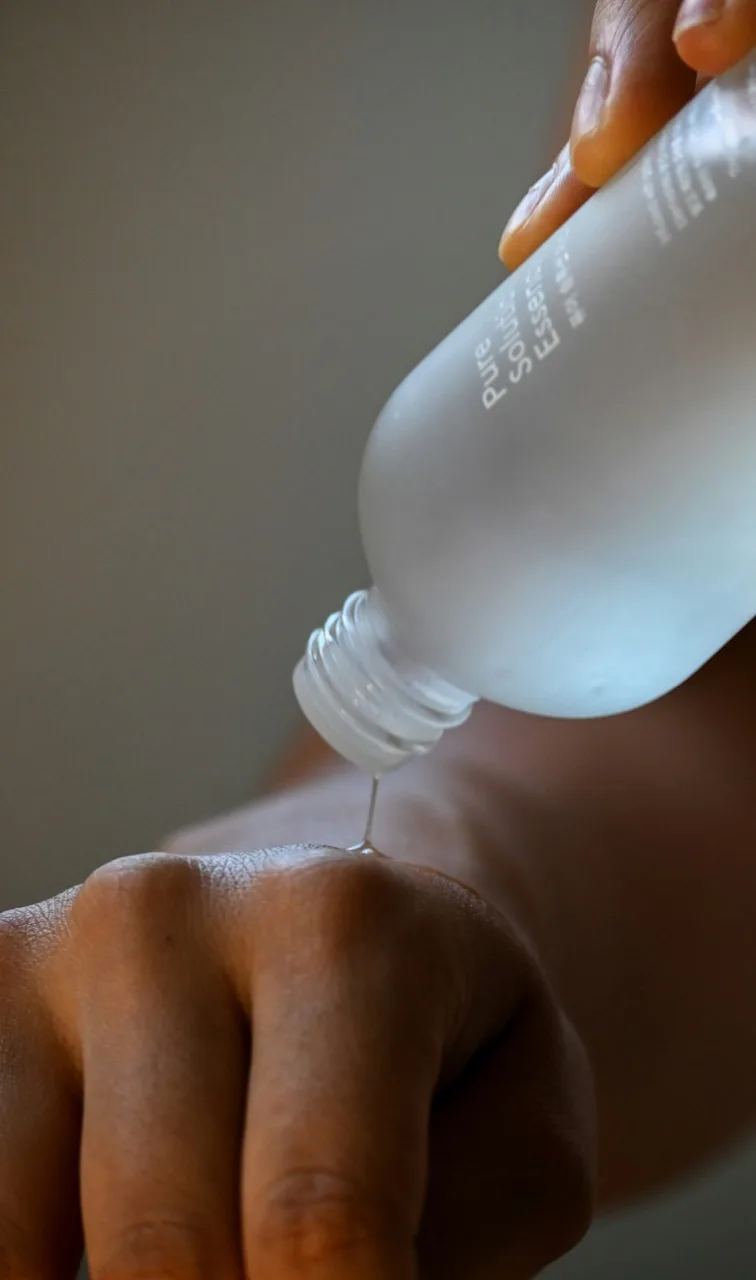
Step 2: Sake Lotion Pressing: Pour a generous splash of sake toner into your palms. Gently press your warm palms against your cheeks, forehead, and chin until fully absorbed.
Step 3: Target Dullness with Sake Kasu Packs: Once or twice a week, apply a wash-off sake lees mask to clarify dull skin, rinsing with lukewarm water after five to ten minutes.
Step 4: Seal with Fermented Emulsion: Follow with a lightweight milky lotion or ceramide cream to trap the humectant amino acids in the stratum corneum.
Signs to stop and when to see a doctor
While sake and koji ferments are generally well tolerated, ferment-derived skincare is not universally suitable for every skin type or condition.
Discontinue use and seek professional medical guidance if you experience any of the following signs:
Erythematous Bumps or Papules: Small uniform itchy breakouts along the forehead or jawline, which may indicate a fungal acne flare (Malassezia folliculitis) stimulated by fermented fatty acids or yeast byproducts.
Intense Flushing or Contact Dermatitis: Redness or a burning sensation, especially in individuals with known sensitivities to trace alcohol or specific preservative systems.
Persistent Scaling or Itchiness: Flaking patches that fail to improve after pausing the product.
If symptoms persist, consult a board-certified dermatologist. Bring the product ingredient list with you to assist the clinician in identifying potential allergens.
FAQ
Q1. Can sake skincare make me smell like alcohol or make me intoxicated?
A. No, cosmetic sake ferments contain negligible alcohol and do not cause intoxication.(Details)
Cosmetic formulations utilize purified rice ferment filtrates where trace ethanol is either removed or maintained at minimal levels below cosmetic stability thresholds. While some traditional lotions carry a subtle, sweet rice wine aroma for a few seconds upon application, the scent quickly dissipates and carries zero risk of intoxication.
Q2. Is sake skincare suitable for sensitive skin?
A. Most individuals tolerate ferments well, but patch testing is wise for reactive skin.(Details)
Sake and koji extracts are rich in soothing amino acids and skin-identical ceramides, making them exceptionally gentle for dry or compromised barriers. However, individuals with extreme sensitivity to ethanol or specific fungal ferments should always conduct a patch test on their inner forearm before facial application.
Q3. Does koji ferment contain the same brightening strength as prescription kojic acid?
A. Over-the-counter koji extracts offer gentle cosmetic clarification rather than medical depigmentation.(Details)
Natural koji ferments contain kojic acid precursors and antioxidant polyphenols that gently clarify overall dullness over weeks of consistent use. They do not operate as high-potency prescription depigmenting drugs, making them much milder and well-suited for daily preventive maintenance.
Q4. Can I layer fermented sake lotion with vitamin C or retinol?
A. Yes, hydrating sake lotions pair well with active serums when applied in correct order.(Details)
Because sake lotions act primarily as humectant-rich toners that buffer and hydrate the skin, they pair safely with vitamin C in the morning or gentle retinol at night. Simply pat on the sake lotion first, let it absorb, and follow with your targeted serum.
Q5. What is the difference between rice water and fermented sake filtrate?
A. Fermented filtrate contains broken-down bioactive amino acids not present in plain rice water.(Details)
Plain rice water is simply the starch-infused liquid left after rinsing uncooked rice grains. In contrast, sake ferment filtrate has undergone prolonged microbial fermentation by koji molds and yeast, transforming inert starches into bio-available amino acids, peptides, and natural organic acids with far greater skin affinity.
Summary
Japanese sake and koji skincare bridges traditional brewing wisdom with cutting-edge dermatological biochemistry. By harvesting the nutrient-dense byproducts of rice fermentation, these barrier-supportive solutions supply the stratum corneum with vital amino acids, organic acids, and natural ceramides. Incorporating sake ferments into your daily routine offers a peaceful, barrier-supportive path toward radiant and balanced skin.
Disclaimer: This article is for general information and education about Japanese cosmetics and their labels. It is not a substitute for professional medical advice, diagnosis, or treatment. Skincare results vary from person to person. Product formulas, availability, prices, and regulations change, and products sold in Japan can differ from versions sold elsewhere, so always check the current label. Do a patch test before introducing a new product, and consult a doctor or dermatologist if you have a skin condition or specific concerns.