Japanese Sakura Extract: Calming & Anti-Glycation Care
IngredientsBy Editorial Team
title: Japanese Sakura Extract: Calming & Anti-Glycation Care
slug: japanese-sakura-cherry-blossom-extract-soothing
category: ingredients
published_at: '2026-11-23'
updated_at: '2026-11-23'
meta_description: Discover why Japanese sakura cherry blossom extract is prized for soothing irritation and supporting anti-glycation defense. Learn key bioactives and tips.
keywords:
japanese sakura extract
cherry blossom skincare soothing
anti glycation skincare japan
prunus yedoensis leaf extract
j-beauty botanical barrier
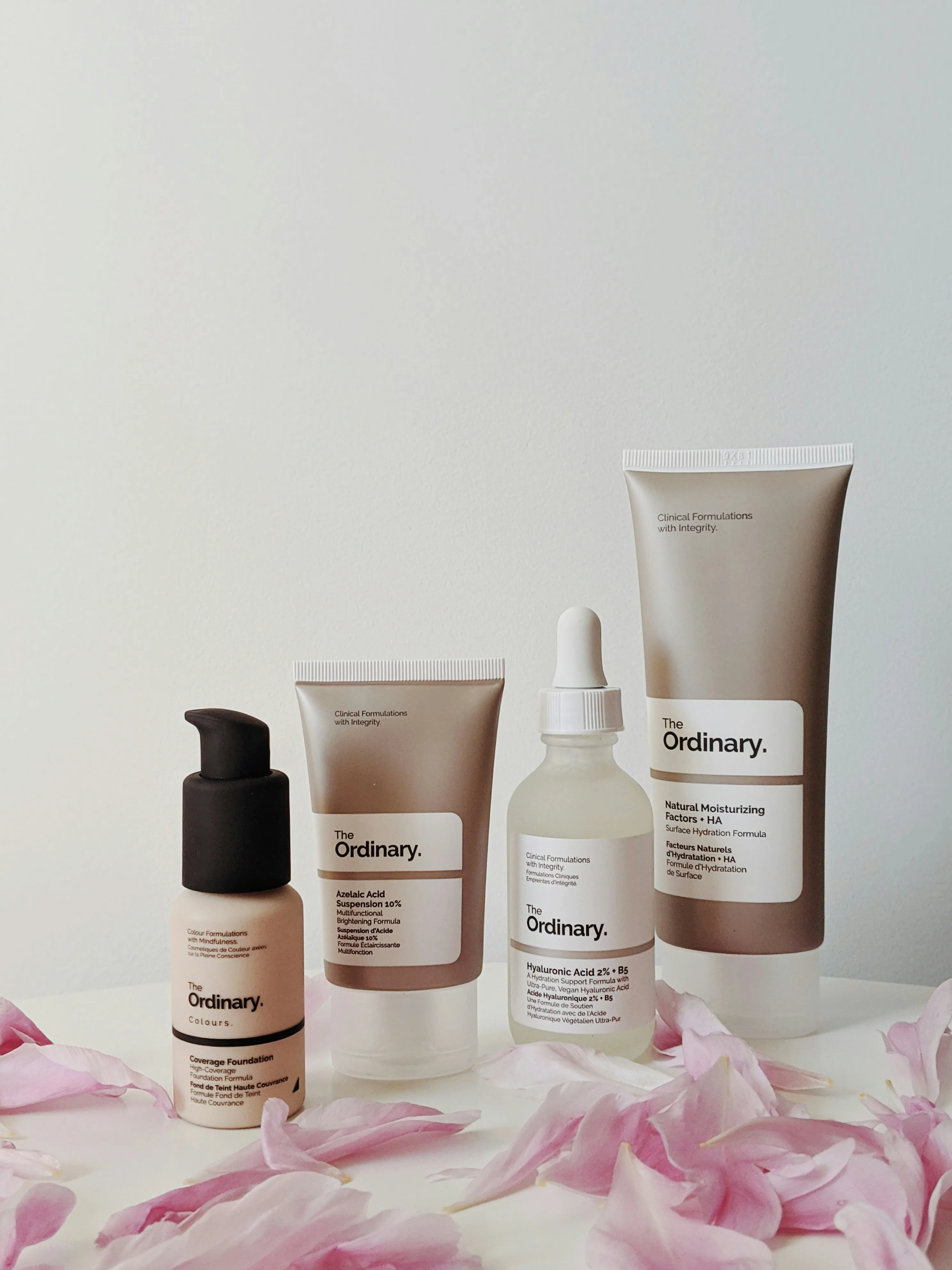
lead_image: /images/stock/skincare-items-flatlay-pink-background.webp
lead_image_alt: Flatlay of Japanese botanical skincare bottles surrounded by delicate pink floral petals
thumbnail: /images/stock/skincare-items-flatlay-pink-background.webp
thumbnail_alt: Flatlay of Japanese botanical skincare bottles surrounded by delicate pink floral petals
author: Editorial Team
publish: true
Japanese Sakura Extract: Calming & Anti-Glycation Care
Every spring, the fleeting blooming of cherry blossoms (sakura) captivates Japan in an ephemeral shower of delicate pink petals. Beyond their cultural significance as emblems of renewal and grace, sakura trees—specifically cultivars like Prunus lannesiana and Prunus yedoensis (Somei Yoshino)—harbor potent dermatological compounds long treasured in Japanese botanical medicine.
While global consumers often associate cherry blossom beauty items with whimsical spring fragrance, Japanese cosmetic laboratories regard sakura extracts as sophisticated botanical actives. Formulated from both blossoms and springtime leaves, sakura extracts deliver documented calming, soothing, and anti-glycation benefits that help defend skin from dull yellowish discoloration and premature barrier fatigue.
Quick answer: Japanese sakura extract is a botanical active derived from cherry blossoms and Somei Yoshino leaves. Rich in caffeoyl glucose, quercetin glucosides, and prunetin, it works via two complementary pathways: soothing external erythema and inhibiting advanced glycation end-products (AGEs). By preventing sugar molecules from cross-linking with dermal collagen, sakura extract shields against age-related dullness and maintains bouncy, supple skin without irritating sensitive barriers.
Scroll horizontally to view full table
Attribute
Sakura Blossom Extract (Flowers)
Sakura Leaf Extract (Somei Yoshino Leaves)
Botanical Part
Petals of double-flowered cherry (*Prunus lannesiana*)
The Glycation Dilemma: How Sakura Protects Dermal Collagen
Skin aging involves more than just photodamage; it is equally driven by internal biochemical processes, chief among them glycation (tōka).
When excess sugars circulate in bodily tissues, they chemically react with structural proteins like collagen and elastin without enzyme regulation. This non-enzymatic reaction produces Advanced Glycation End-products (AGEs). Over time, AGEs cause resilient collagen fibers to become stiff, brittle, and yellowish-brown—resulting in loss of skin elasticity and a sallow, tired complexion.
Japanese botanical research demonstrated that caffeoyl glucose found within cherry blossom petals significantly suppresses AGE formation. Furthermore, it supports the natural activity of dermal fibroblasts, assisting in maintaining healthy collagen networks and preventing the yellow, dull appearance associated with modern high-glycemic diets.
Alongside blossom petals, Japanese researchers revealed profound soothing mechanisms within the leaves of Japan's most famous cherry tree, Somei Yoshino.
Cosmetic ingredient manufacturers like Ichimaru Pharcos pioneered the extraction of these soothing compounds, defining an extract derived from the leaves of cherry blossom (Somei Yoshino), Japan's representative flower[2]. Under Japanese regulatory classifications, this raw material holds official recognition: "Quasi-drug labeling name: 1,3-butylene glycol, purified water, sakura leaf extract"[2].
Topical sakura leaf extract benefits sensitive skin in three distinct ways:
Suppression of Histamine Release: It helps moderate mast cell degranulation, dampening sudden flushing and allergic itchiness triggered by pollen or environmental shifts.
Roughness Defense: By supporting epidermal barrier cohesion, it helps smooth rough, scaly patches on reactive winter skin.
Melanin Signaling Moderation: Isoquercitrin within the extract tempers inflammatory melanocyte stimulation, keeping the complexion luminous and even.
How to Incorporate Sakura Extract into Your Daily Routine
Because sakura extract is inherently gentle, it integrates effortlessly into both morning and nighttime regimens without conflicting with potent actives like retinol or vitamin C.
When cleansing before applying botanical toners, the American Academy of Dermatology (AAD) recommends: "Wet your face with lukewarm water and use your fingertips to apply cleanser"[1]. They emphasize: "Resist the temptation to scrub your skin because scrubbing irritates the skin"[1]. A gentle touch ensures that irritated skin remains calm and receptive to soothing botanical nourishment.
Consider these soothing steps:
Post-Sun Soothing Lotion: After spending time outdoors, pat a generous amount of sakura-infused hydrating lotion (keshosui) into your skin using warm, relaxed palms to ease UV-induced surface warmth.
Pre-Event Radiance Mask: Use a sakura blossom cotton sheet mask for 10 minutes prior to makeup application to impart a plump, hydrated translucency (tōmeikan).
Overnight Barrier Recovery: Seal your nighttime routine with a sakura gel cream to nourish skin while you sleep, taking advantage of nighttime skin renewal cycles.
Signs to stop and when to see a doctor
Sakura extracts are known for their exceptional cutaneous tolerance, but individual botanical allergies can occur, particularly in individuals with severe pollen sensitivities.
Discontinue use of sakura-containing products and consult a physician if you experience any of the following symptoms:
Erythematous Welts or Contact Dermatitis: Sudden raised red patches, intense itching, or burning that develops within minutes of application.
Swelling Around Eyes or Lips: Edema around delicate facial areas, signaling a systemic or contact allergic response.
Persistent Follicular Breakouts: Small tender bumps appearing after introducing a heavy floral-infused cream.
If adverse skin reactions do not subside promptly, consult a board-certified dermatologist. Provide the cosmetic packaging with the complete ingredient list to help your clinician identify potential triggers.
FAQ
Q1. Is sakura extract just an artificial floral fragrance in pink skincare?
A. No, authentic sakura extract is an active botanical compound, not merely perfume.(Details)
While some Western seasonal novelties simply add synthetic cherry fragrance and pink dye, genuine Japanese formulations utilize certified botanical extracts (*Prunus lannesiana* flower or *Prunus yedoensis* leaf extract). These extracts possess proven antioxidant and soothing bioactives independent of added perfume.
Q2. Can people with spring pollen allergies use sakura skincare?
A. Most can safely use it, but conducting a 24-hour patch test is recommended.(Details)
Spring pollen allergies in Japan are primarily triggered by airborne cedar (*sugi*) and cypress (*hinoki*) pollen, not cherry blossoms. Furthermore, cosmetic sakura extracts are filtered, purified liquids free of airborne pollen grains. However, individuals with severe rosacea or multiple plant allergies should always patch-test on their inner arm first.
Q3. How does sakura extract compare to green tea extract?
A. Sakura specializes in anti-glycation and collagen protection, while green tea focuses on sebum balance.(Details)
Both are premier Japanese botanical antioxidants. Green tea (*Camellia sinensis*) is rich in astringent catechins that excel at regulating oily sebum and purifying pores. Sakura extract is milder and specializes in preventing protein glycation and soothing histamine-mediated barrier redness.
Q4. Can sakura extract be layered with retinol or AHA/BHA exfoliants?
A. Yes, its soothing properties make it an ideal buffering companion for potent actives.(Details)
Because sakura extract is non-acidic and delivers gentle calming polyphenols, it buffers the skin barrier against potential dryness from exfoliating chemical acids or retinoids. Apply your sakura essence first or immediately after your targeted active serum.
Q5. Does sakura extract provide UV protection on its own?
A. No, it soothes UV-induced redness but does not replace broad-spectrum sunscreen.(Details)
Sakura extract neutralizes free radicals generated by sunlight and helps prevent post-inflammatory redness, but it lacks physical or chemical UV-absorbing filters. It should always be complemented with an approved SPF 30+ broad-spectrum sunscreen during the day.
Summary
Japanese sakura extract embodies the harmonious meeting of poetic spring beauty and rigorous botanical biochemistry. Derived from both blossoms and Somei Yoshino leaves, it provides a dual-action shield: neutralizing dulling collagen glycation while soothing environmental surface redness. Incorporating this time-tested Japanese botanical into your daily regimen offers an exceptionally gentle path to balanced, resilient, and luminous skin.
Disclaimer: This article is for general information and education about Japanese cosmetics and their labels. It is not a substitute for professional medical advice, diagnosis, or treatment. Skincare results vary from person to person. Product formulas, availability, prices, and regulations change, and products sold in Japan can differ from versions sold elsewhere, so always check the current label. Do a patch test before introducing a new product, and consult a doctor or dermatologist if you have a skin condition or specific concerns.