title: Japanese Squalane Oil: Lightweight Hydration Guide slug: japanese-squalane-oil-lightweight-hydration category: ingredients category_label: Ingredients published_at: '2026-11-23' updated_at: '2026-11-23' meta_description: Discover how Japanese squalane oil delivers lightweight hydration. Learn sebum mimicry, plant sources, oxidation resistance, and layering tips. description: Discover how Japanese squalane oil delivers lightweight hydration. Learn sebum mimicry, plant sources, oxidation resistance, and layering tips. hero_image: /images/stock/golden-facial-oil-dropper-bottle.webp hero_image_alt: Amber glass dropper bottle dispensing high-purity squalane facial oil thumbnail: /images/stock/golden-facial-oil-dropper-bottle.webp thumbnail_alt: Amber glass dropper bottle dispensing high-purity squalane facial oil reading_time: 6 author: Editorial Team publish: true
Japanese Squalane Oil: Lightweight Hydration Guide
Quick answer
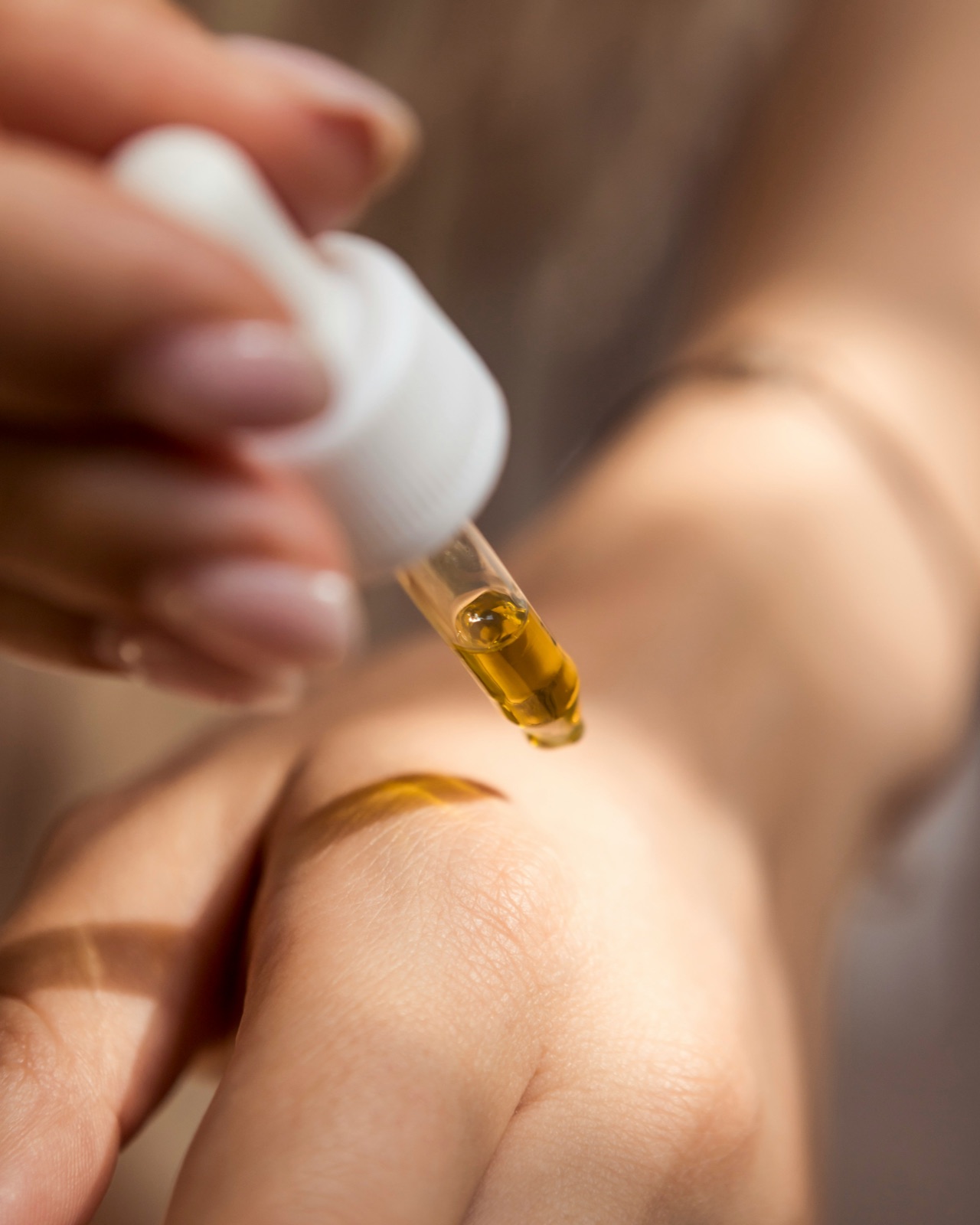
Japanese squalane oil represents one of the most revered barrier-sealing lipids in J-beauty due to its bio-identical mimicry of human sebum (which naturally contains 10–12% squalene). By hydrogenating natural squalene into a completely saturated, oxidation-resistant hydrocarbon, Japanese formulators create a feather-light, crystal-clear fluid that locks in lotion hydration with a single drop, providing lightweight, pore-friendly moisture without greasy heaviness.
While the global skincare market frequently cycles through trendy exotic plant oils—from thick argan to rich rosehip—Japanese skincare maintains an enduring devotion to a single, hyper-purified lipid: squalane oil (sukuwaran oiru). Pioneers in Hokkaido and Tokyo perfected pharmaceutical-grade purification techniques over forty years ago, proving that a single drop of 99.9% pure squalane could replace heavy occlusive creams.
Unlike heavy plant oils composed of complex triglycerides and free fatty acids that can oxidize on facial skin or feel suffocating in summer humidity, squalane functions as a pure saturated hydrocarbon. It delivers biocompatible barrier support, weightless slip, and non-clogging hydration suited for reactive skin. Here is your definitive guide to understanding how Japanese squalane oil works, why its molecular structure resists oxidation, and how to master the iconic "one-drop" layering ritual.
Sebum Biomimicry: Why Squalane Absorbs Without Greasiness
The primary reason squalane feels so natural on facial skin lies in human cutaneous biology:
1. The Natural Squalene Component of Sebum
Human sebum—the natural lipid film produced by our sebaceous glands—is composed of approximately 57% triglycerides, 26% wax esters, and 10% to 12% squalene. Squalene serves as nature's built-in emollient, keeping epidermal keratin soft and flexible. However, endogenous squalene production peaks in our early twenties and declines steadily with age, contributing to barrier dryness and rough skin texture.
2. Hydrogenation: Squalene vs. Squalane
In its raw biological state, natural squalene is an unsaturated polyisoprene containing six double bonds. Because these carbon-carbon double bonds are chemically unstable, natural squalene oxidizes rapidly when exposed to atmospheric oxygen, heat, and ultraviolet rays, creating squalene monohydroperoxides that irritate follicular linings.
To make this vital lipid stable for cosmetics, Japanese chemists hydrogenate squalene—saturating every double bond with hydrogen atoms to convert it into squalane. Squalane is a fully saturated aliphatic hydrocarbon that is:
- Completely Oxidation-Resistant: It does not turn rancid, break down under sunlight, or provoke oxidative lipid byproducts on the skin.
- Colorless and Odorless: Pure Japanese squalane resembles clear mountain water with zero oily aroma.
- Low Viscosity: Because it lacks bulky ester linkages or glycerol backbones, it spreads effortlessly across damp skin.
Medical authorities recommend daily sunscreen application as an essential preventive measure to shield cellular DNA against cumulative photoaging and long-term damage.[2] Applying stable squalane oil underneath daily sunscreen cushions the stratum corneum without destabilizing UV filter dispersion.
Source Verification: Deep-Sea Marine vs. Sugarcane vs. Olive Phytosqualane
Consumers frequently encounter different source labels when purchasing Japanese squalane:
1. Traditional Marine Squalane (Deep-Sea Shark Liver)
Historically, Japanese squalane was extracted from the liver oil of deep-sea sharks (Aizame), which live 1,000 meters underwater where oxygen is scarce. Through multi-stage molecular distillation, Japanese refineries achieve 99.9% purity, stripping away all fish odors, heavy metals, and proteins. It provides the highest tactile lightness and velvety softness.
2. Sugarcane Phytosqualane (Biotechnological Fermentation)
An increasingly popular sustainable standard in contemporary Japan, sugarcane squalane is produced through renewable yeast fermentation of non-GMO Brazilian sugarcane. It yields an identical chemical profile to marine squalane with zero impact on marine ecosystems.
3. Olive Phytosqualane (Botanical Extraction)
Derived from the unsaponifiable fraction of pressed olive oil. While nourishing, raw olive-derived squalane contains trace amounts of plant phytosterols and wax esters, requiring extensive secondary fractionation to match the ultra-light slip of sugarcane or marine grades.
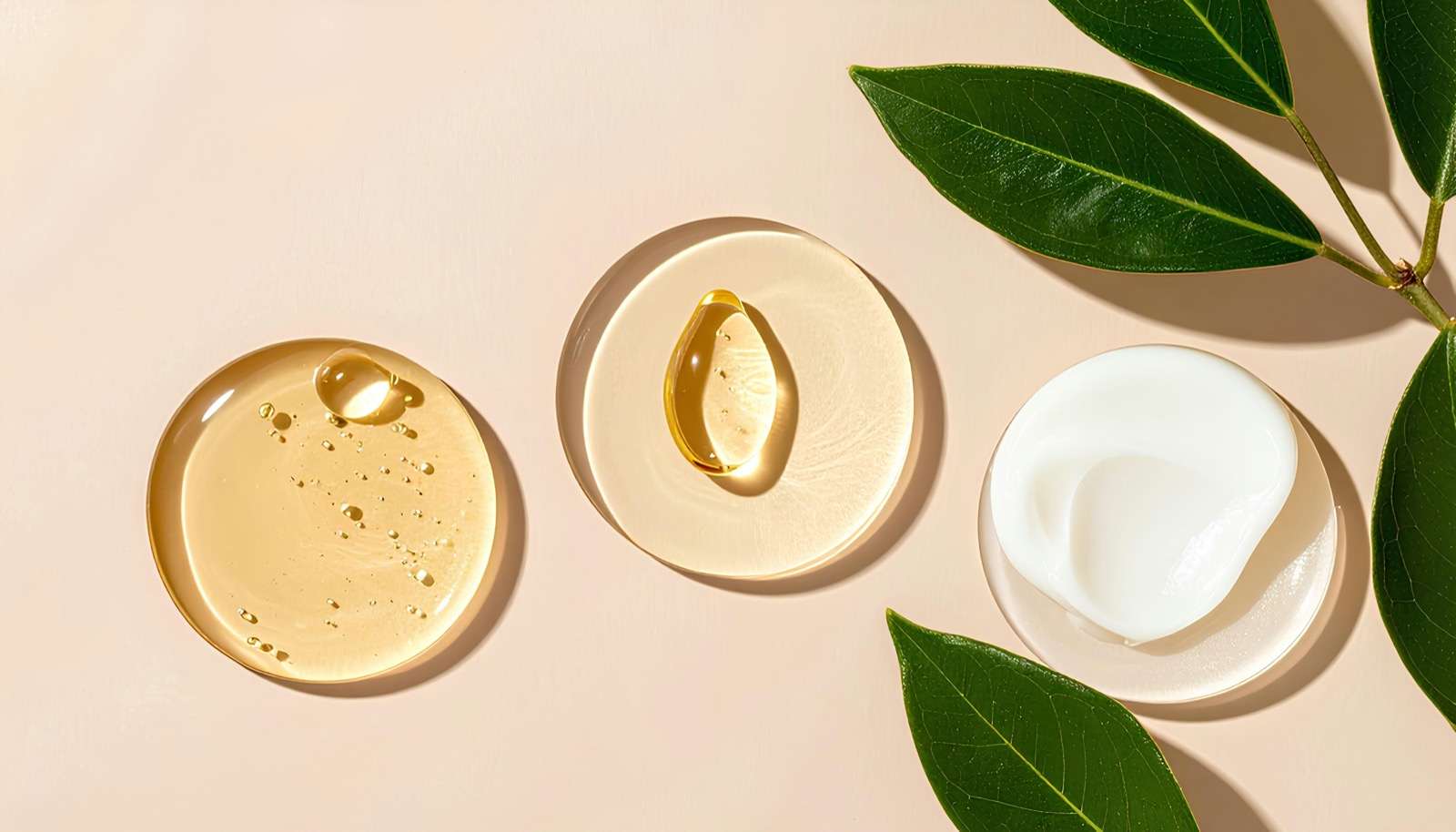
Detailed Comparison: Japanese Squalane vs. Jojoba Oil vs. Rosehip Seed Oil
The table below contrasts Japanese squalane with other popular cosmetic face oils:
Scroll horizontally to view full table
| Feature | Pure Japanese Squalane | Pure Jojoba Oil | Cold-Pressed Rosehip Oil |
|---|---|---|---|
| Chemical Class | Fully saturated hydrocarbon (alkane) | Unsaturated liquid wax ester | Polyunsaturated polyacid triglyceride |
| Oxidation Risk | Virtually zero (no double bonds) | Low (high natural stability) | High (prone to rancidity from light/heat) |
| Texture & Feel | Water-weight fluid; zero stickiness | Medium-bodied emollient slip | Richer, dry-oil golden finish |
| Comedogenicity | Clog-resistant (cannot be metabolized by C. acnes) | Low comedogenicity | Low to moderate comedogenicity |
| Shelf Life | 3 to 5 years without synthetic preservatives | 2 to 3 years | 6 months after opening |