Japanese Ascorbyl Glucoside: Gentle Vitamin C Guide
IngredientsBy Editorial Team
title: Japanese Ascorbyl Glucoside: Gentle Vitamin C Guide
slug: japanese-vitamin-c-derivative-ascorbyl-glucoside
category: ingredients
category_label: Ingredients & Science
published_at: '2026-11-23'
updated_at: '2026-11-23'
meta_description: Learn how Japanese ascorbyl glucoside stabilizes vitamin C. Discover glucose cleavage science, sensitive skin tolerance, and daily brightening rituals.
description: Learn how Japanese ascorbyl glucoside stabilizes vitamin C. Discover glucose cleavage science, sensitive skin tolerance, and daily brightening rituals.
hero_image: /images/stock/amber-dropper-active-serum-bottle.webp
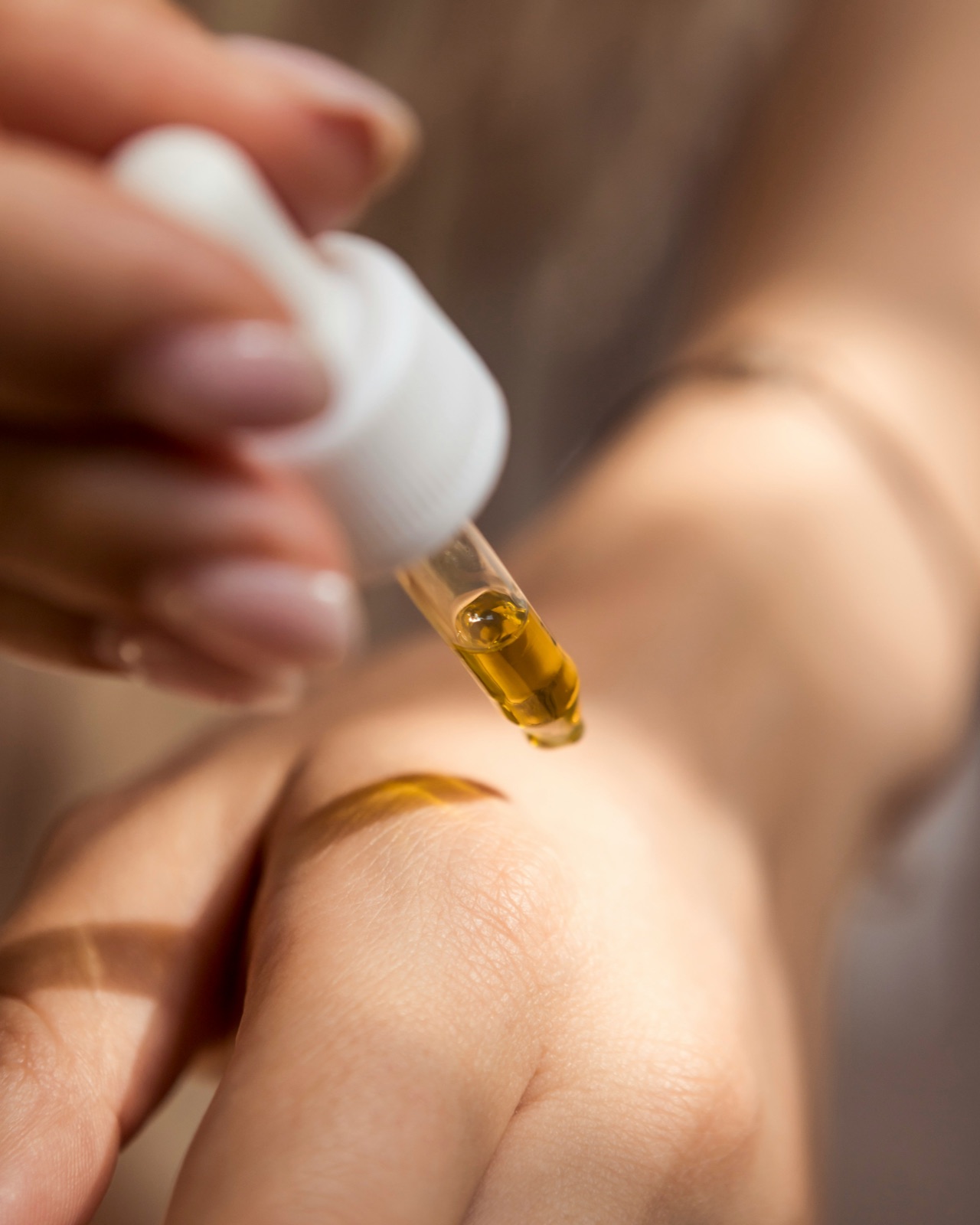
hero_image_alt: Amber glass dropper bottle containing stabilized ascorbyl glucoside serum
thumbnail: /images/stock/amber-dropper-active-serum-bottle.webp
thumbnail_alt: Amber glass dropper bottle containing stabilized ascorbyl glucoside serum
reading_time: 6
author: Editorial Team
publish: true
Japanese Ascorbyl Glucoside: Gentle Vitamin C Guide
Quick answer
Ascorbyl glucoside (AA-2G) is a stabilized, water-soluble vitamin C derivative developed in Japan through enzymatic bonding with glucose. Once absorbed, cutaneous alpha-glucosidase enzymes gradually release active ascorbic acid at physiological pH, delivering steady antioxidant defense and melanin inhibition without the irritation or rapid oxidation typical of pure ascorbic acid.
Pure L-ascorbic acid has long stood as an industry benchmark for brightening, yet its acidic nature and swift oxidation upon exposure to light, heat, and air often present substantial barriers for reactive complexions. In Japanese cosmetic science, research focused heavily on stabilizing this active without compromising biological utility. The crowning achievement of this inquiry is ascorbyl glucoside—commonly referred to in clinical literature as AA-2G.
Developed through advanced enzymatic biocatalysis in Japan, ascorbyl glucoside binds a glucose molecule directly to the second carbon atom of ascorbic acid. This specialized biochemical architecture shields the active site from degradation, producing a water-soluble ingredient that remains resilient in clear lotions and lightweight emulsions. Approved as an active ingredient under the Japanese quasi-drug system, it supports the suppression of melanin generation and helps prevent sun-induced spots and freckles while maintaining gentleness across daily skincare rituals.
The Molecular Science of Ascorbyl Glucoside (AA-2G)
To understand why Japanese formulators frequently select ascorbyl glucoside over other esterified or etherified derivatives, one must examine its molecular transformation within epidermal tissue. Pure ascorbic acid possesses an open ene-diol structure that readily donates electrons to ambient oxygen, turning clear liquids brown and acidic. By conjugating glucose at the C2 position, Japanese chemists effectively locked that reactive hydroxyl group until the formulation interacts with skin.
Once absorbed across the stratum corneum, endogenous enzymes known as alpha-glucosidases naturally present in epidermal cells slowly cleave the glucose molecule away. This enzymatic hydrolysis liberates pure ascorbic acid inside the tissue at physiological pH. Because this liberation happens steadily rather than flooding the dermal barrier in a single concentrated burst, ascorbyl glucoside delivers sustained antioxidant defense over many hours while sidestepping the low pH sting frequently triggered by unbuffered ascorbic acid.
Scroll horizontally to view full table
Parameter
Ascorbyl Glucoside (AA-2G)
Pure L-Ascorbic Acid
Ascorbyl Tetraisopalmitate (VC-IP)
Solubility Profile
Water-soluble, clear clarity
Water-soluble, prone to tint
Oil-soluble, lipid phase
Oxidative Stability
Exceptional against light & heat
Rapid oxidation upon exposure
Moderate-to-high lipid stability
Formulation pH Range
Neutral to gentle (pH 5.0–7.0)
Acidic required (pH < 3.5)
Neutral lipid vehicles
Mechanism of Action
Alpha-glucosidase bio-cleavage
Direct antioxidant activity
Esterase cleavage in sebum layers
Skin Barrier Tolerance
High; comfortable for sensitive types
Frequent tingling, barrier flush
High; rich emollient base
Regulatory Status: Quasi-Drug Approval in Japan
In the Japanese regulatory framework administered by the Ministry of Health, Labour and Welfare (MHLW), skincare products are demarcated into general cosmetics (keshohin) and quasi-drugs (iyaku-bukaihin). Ascorbyl glucoside holds formal approval as a quasi-drug brightening active (bihaku yuukou seibun).
Under these rigorous statutory guidelines, quasi-drug formulations containing verified percentages of ascorbyl glucoside are legally authorized to state specific functional claims:
Inhibiting the generation of melanin.
Preventing dark spots, hyperpigmentation marks, and freckles induced by daily ultraviolet exposure.
Crucially, Japanese statutory compliance dictates that brightening actives cannot claim to alter natural baseline pigmentation. Instead, their mechanism centers on mitigating the oxidative triggers that spark melanocyte hyperactivation. Ascorbyl glucoside intercepts dopaquinone synthesis and curtails oxidative chain reactions, ensuring that UV exposure does not cascade into stubborn melanosome accumulation.
Key Benefits for Sensitive and Reactive Complexions
For individuals whose skin reacts with stinging, redness, or barrier compromise when exposed to conventional 15% or 20% vitamin C serums, Japanese ascorbyl glucoside presents a sophisticated alternative:
Physiological Neutral pH Compatibility: Because AA-2G remains stable at pH levels between 5.5 and 6.5, Japanese formulators do not need to depress the product's acidity. Your skin barrier remains balanced without the acid-shock micro-exfoliation common to pure L-ascorbic acid.
Prolonged Antioxidant Reservoir: Because alpha-glucosidase cleavage occurs gradually throughout the stratum corneum, free ascorbic acid is released consistently across daylight hours.
Synergy with Soothing Actives: Water-soluble ascorbyl glucoside blends harmoniously alongside dipotassium glycyrrhizate, tranexamic acid, and mugwort (yomogi) extracts without destabilizing the overall formulation matrix.
Zero Sticky Residue: Unlike heavy lipid derivatives, ascorbyl glucoside integrates into lightweight hydrating toners (keshosui) and fresh emulsions (nyueki) that leave zero greasy film or pore congestion.
How to Layer Ascorbyl Glucoside in a J-Beauty Routine
Because ascorbyl glucoside is unhindered by low-pH restrictions, you do not need dedicated wait times before applying subsequent steps. Here is how to incorporate this active into a morning and evening Japanese skincare regimen:
Step 1: Gentle Cleansing: Begin with a mild foam or gel cleanser that preserves the intercellular lipid matrix.
Step 2: Hydrating Conditioning (Keshosui): Apply your ascorbyl glucoside toner or essence immediately after cleansing. Gently press the product across cheeks, forehead, and neck using relaxed palms.
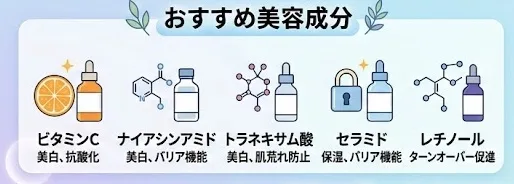
Step 3: Targeted Serum: If you layer multiple brightening agents, ascorbyl glucoside pairs harmoniously with niacinamide or tranexamic acid without causing ingredient clashing.
Step 4: Moisture Sealing (Nyueki / Emulsion): Lock in water-soluble actives with a ceramide-rich milk or lightweight gel cream to prevent transepidermal water loss.
Step 5: Broad-Spectrum Sun Protection (Morning): Always finalize your daylight routine with high-grade UV defense. Regarding sunscreens, their consistent daily use is strongly recommended from the medical standpoint of future skin damage and skin cancer prevention.[2] Antioxidant serums complement UV filters by intercepting residual free radicals, but they cannot replace topical photoprotection.
Common Misconceptions About Vitamin C Derivatives
Myth 1: Derivatives Are Less Effective Than Pure Ascorbic Acid
While pure ascorbic acid acts instantaneously upon topical contact, a substantial percentage oxidizes on the surface before reaching deeper strata. Ascorbyl glucoside remains intact through application and surface absorption, yielding efficient local conversion through cellular enzymatic action.
Myth 2: Vitamin C Makes Skin Photosensitive in Daylight
Neither pure vitamin C nor ascorbyl glucoside is photosensitizing. Quite the opposite: ascorbic acid neutralizes reactive oxygen species triggered by solar radiation. Applying ascorbyl glucoside in the morning beneath sunscreen optimizes defense against environmental oxidative stress. Normal biological aging involves the natural decline of physiological functions over time, whereas photoaging represents chronic, cumulative ultraviolet injury sustained by the skin tissue.[3]
Myth 3: Higher Percentages Always Yield Superior Outcomes
In Japanese formulation ideology, balance takes precedence over concentration races. Ascorbyl glucoside formulated at standard quasi-drug concentrations (typically 2%) delivers verified biological activity with near-zero incidence of flushing or irritation.
Signs to stop and when to see a doctor
While ascorbyl glucoside is engineered for optimal tolerance, individual hypersensitivity to any formulation component remains possible:
Immediate Cessation: If you experience sudden heat sensations, localized hives, persistent itching, intense erythema, or facial swelling, rinse the skin thoroughly with tepid water and discontinue use immediately.
Understanding Allergic Responses: Contact dermatitis is a common condition encountered in dermatological practice, and if the specific triggering substance is identified and contact is discontinued, it is considered a condition that can be fully resolved.[1]
When to Seek Medical Care: Consult a board-certified dermatologist if burning sensations persist beyond 24 hours, if peeling or blistering occurs, or if you suspect an allergic reaction to preservative agents or botanical adjuncts in the formula. Do not attempt to mask acute irritation with heavy occlusive ointments without clinical evaluation.
FAQ
Q1. Can I use ascorbyl glucoside alongside retinol?
A. Yes, they can be layered together without conflict.(Details)
Because ascorbyl glucoside functions at a neutral pH (around 5.5 to 6.5), it does not trigger the acidic antagonism that frequently occurs when mixing pure ascorbic acid with retinoids. However, if your skin is delicate, consider applying ascorbyl glucoside in the morning and reserving retinol for evening care.
Q2. Does ascorbyl glucoside cause blackhead discoloration or orange staining?
A. No, it does not turn orange or discolor sebum.(Details)
Orange surface staining and darkened pore debris are caused by the rapid oxidation of unbuffered pure ascorbic acid into dehydroascorbic acid on the stratum corneum. Because ascorbyl glucoside resists oxidation until cleaved internally by enzymes, it will not discolor skin, towels, or pillowcases.
Q3. How long does it take to see visible results from ascorbyl glucoside?
A. Visible clarity typically becomes noticeable within four to eight weeks.(Details)
Because ascorbyl glucoside works by inhibiting new melanin formation rather than stripping superficial skin cells, results align with the natural epidermal renewal cycle. Consistent daily morning and evening use paired with broad-spectrum UV protection yields cumulative radiance.
Q4. Can I use ascorbyl glucoside if I have active acne breakouts?
A. Yes, it is well-suited for acne-prone skin.(Details)
Ascorbyl glucoside is formulated in lightweight, water-based textures that do not clog follicles. Its antioxidant activity helps prevent sebum lipid peroxidation, while its soothing profile supports post-blemish recovery without provoking secondary inflammation.
Q5. Is ascorbyl glucoside safe during pregnancy?
A. Yes, topical vitamin C derivatives are generally considered safe.(Details)
Topical vitamin C derivatives are not systemically absorbed in quantities that pose developmental concerns. Because hormonal fluctuations during pregnancy often trigger melanin overproduction, ascorbyl glucoside offers a gentle, non-irritating option for daily photoprotective care.
Summary
Japanese ascorbyl glucoside represents an elegant synthesis of biotechnology and dermatological comfort:
Uncompromising Stability: Exceptional resilience against ambient light, oxygen, and temperature swings without browning.
Quasi-Drug Recognition: Statistically validated efficacy in suppressing melanin synthesis and preventing UV-induced pigmentation spots.
Neutral pH Profile: Respects delicate skin barriers without the burning or stinging sensation common to pure ascorbic acid.
Effortless Routine Layering: Easily pairs with hydrating lotions, restorative emulsions, and broad-spectrum sunscreens.
For anyone seeking steady, dependable brightening without redness or formulation volatility, ascorbyl glucoside stands as one of the most reliable pillars of modern Japanese cosmetic science.
References
The Japanese Dermatological Association. Dermatological Q&A on Contact Dermatitis: Pathophysiology and Identifying Causative Contact Triggers (Q1). https://www.dermatol.or.jp/qa/qa4/q01.html (Accessed 2026-11-23)
The Japanese Dermatological Association. Dermatological Q&A on Sunscreen Application for Long-Term Prevention (Q25). https://www.dermatol.or.jp/qa/qa3/q25.html (Accessed 2026-11-23)
The Japanese Dermatological Association. Sunburn Q&A on Photoaging and Biological Alterations in Aging Skin (Q5). https://www.dermatol.or.jp/qa/qa2/q05.html (Accessed 2026-11-23)
Disclaimer: This article is for general information and education about Japanese cosmetics and their labels. It is not a substitute for professional medical advice, diagnosis, or treatment. Skincare results vary from person to person. Product formulas, availability, prices, and regulations change, and products sold in Japan can differ from versions sold elsewhere, so always check the current label. Do a patch test before introducing a new product, and consult a doctor or dermatologist if you have a skin condition or specific concerns.