Japanese Yuzu Seed Oil: Barrier Support & Natural Glow
IngredientsBy Editorial Team
title: Japanese Yuzu Seed Oil: Barrier Support & Natural Glow
slug: japanese-yuzu-seed-oil-skincare-barrier-glow
category: ingredients
published_at: '2026-11-23'
updated_at: '2026-11-23'
meta_description: Discover Japanese yuzu seed oil for skin barrier health, antioxidant care, and radiant glow. Learn cold-press benefits, fatty acids, and daily usage tips.
keywords:
japanese yuzu seed oil
citrus junos seed oil
yuzu skincare benefits
japanese facial botanical oil
j-beauty barrier glow
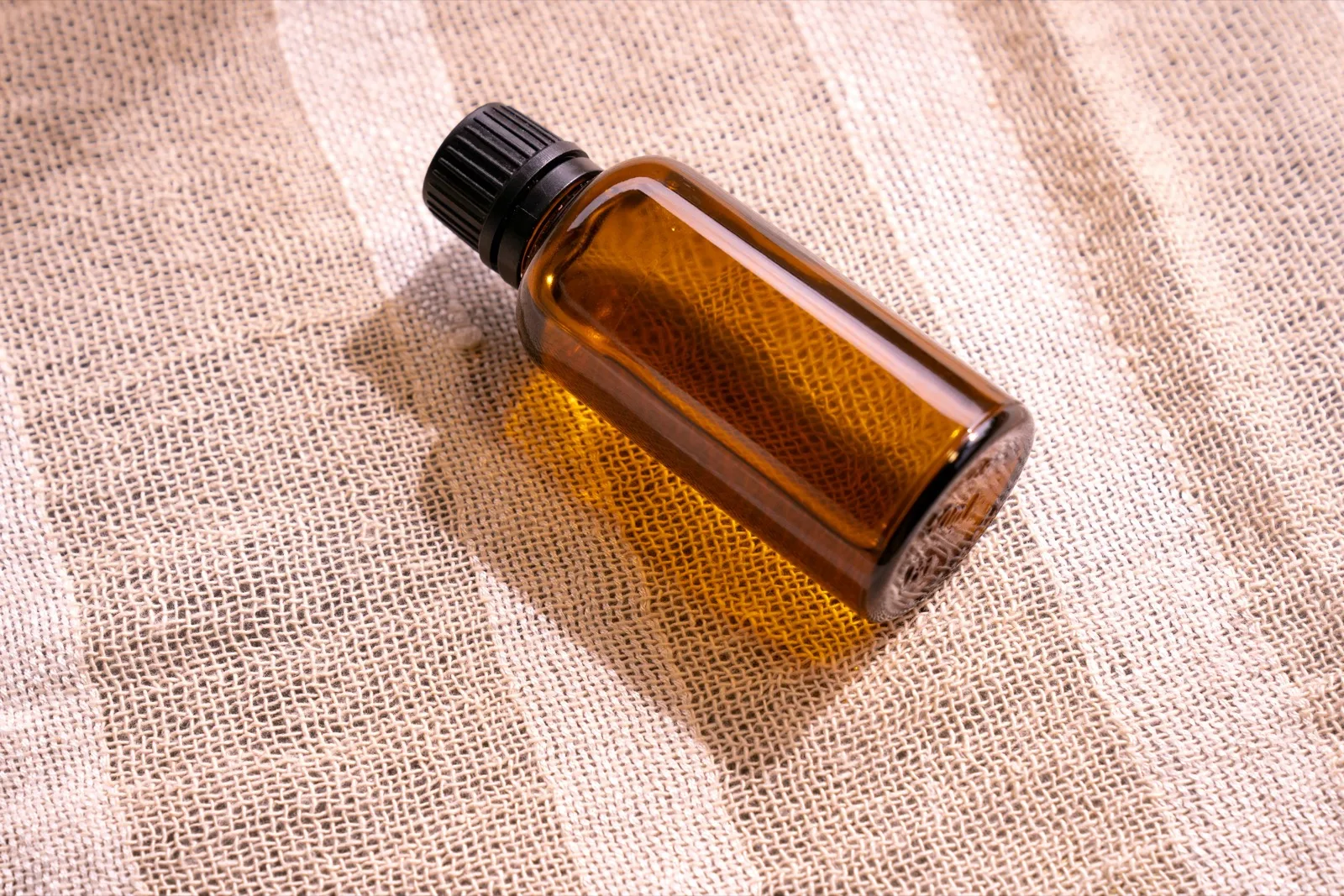
lead_image: /images/stock/skincare-amber-oil-bottles-botanical-trio.webp
lead_image_alt: Amber glass dropper bottles with Japanese botanical yuzu seed oils
thumbnail: /images/stock/skincare-amber-oil-bottles-botanical-trio.webp
thumbnail_alt: Amber glass dropper bottles with Japanese botanical yuzu seed oils
author: Editorial Team
publish: true
Japanese Yuzu Seed Oil: Barrier Support & Natural Glow
In Japanese winter traditions, floating whole yellow yuzu fruits (Citrus junos) in steaming bathwater on the winter solstice (toji) has been practiced for hundreds of years. The comforting citrus aroma was believed to ward off winter chills and soften chapped skin. While yuzu juice and rind have long graced Japanese cuisine and perfumery, the dense seeds inside each fruit were traditionally cast aside during juice pressing.
In recent years, Japanese green-chemistry laboratories and regional agricultural cooperatives harnessed the cosmetic potential of these discarded treasures. By cold-pressing the seeds, formulators discovered yuzu seed oil (yuzu shushi yu), a non-greasy lipid rich in linoleic acid, plant sterols, and citrus antioxidants that nurtures moisture-compromised skin barriers and imparts a translucent glow.
Quick answer: Japanese yuzu seed oil (*Citrus junos* seed oil) is a cold-pressed botanical lipid extracted from upcycled yuzu seeds. Unlike citrus peel essential oils that contain phototoxic furanocoumarins, pure yuzu seed oil is free of phototoxicity and rich in barrier-restoring linoleic acid (omega-6), oleic acid (omega-9), and vitamin E. It strengthens the stratum corneum lipid matrix, locks in water without heavy greasiness, and provides subtle uplifting aromatherapy.
Scroll horizontally to view full table
Property
Yuzu Seed Oil (Citrus Junos Seed Oil)
Yuzu Peel Essential Oil
Extraction Part
Crushed dried seeds (byproduct upcycling)
Fruit peel / rind
Lipid Profile
Triglycerides rich in linoleic & oleic acids
Volatile aromatic terpenes (limonene)
Phototoxicity Risk
Zero phototoxicity risk; safe for daytime use
Potential photosensitivity if unpurified
Primary Function
Barrier lipid replenishment & moisture sealing
Aromatherapy & fragrance note
Texture on Skin
Silky, fast-absorbing botanical dry oil
Volatile liquid; evaporates quickly
The Upcycling Journey: From Brewery Waste to Golden Elixir
Yuzu cultivation in Japan centers in mountainous prefectures like Kochi and Tokushima, where stark day-night temperature swings produce intensely fragrant fruit with thick skins and abundant seeds. Because yuzu juice is tart and acidic, regional growers press thousands of tons of fruit annually for ponzu sauce, marinades, and beverages.
Historically, the seeds represented an inconvenient byproduct. However, modern sustainable Japanese beauty initiatives changed this paradigm. Pioneer personal care brands like Utena collaborated with regional farming communities, extracting high-quality oil from yuzu seeds that once had to be discarded[2]. Many classic formulations thoughtfully combine yuzu seed oil and yuzu peel oil to deliver both emollient barrier protection and authentic orchard aroma in a single step[2].
Fatty Acid Profile: Why Yuzu Seed Oil Absorbs Without Clogging
Many consumers shy away from facial oils out of concern for heavy, pore-congesting residues. Yuzu seed oil has gained popularity in Tokyo beauty routines precisely because of its balanced fatty acid composition:
High Linoleic Acid (Omega-6): Accounting for roughly 35% to 45% of total fatty acids, linoleic acid integrates directly into the stratum corneum's inter-cellular lipid lamellae. Individuals prone to dehydration often possess sebum depleted of linoleic acid; replenishing this essential fatty acid helps normalize epidermal elasticity.
Oleic Acid (Omega-9): Providing smooth glide and suppleness, oleic acid cushions dry patches without smothering the skin surface.
Natural Tocopherols & Sterols: Cold-pressed seed extracts contain delta- and gamma-tocopherols that protect skin surface lipids from oxidative stress caused by urban exhaust and particulate pollution.
How to Integrate Yuzu Seed Oil into Your Daily Routine
To maximize the benefits of facial oils while preventing barrier disruption, gentle handling is vital. Friction or abrasive rubbing can destabilize irritated skin.
The American Academy of Dermatology (AAD) notes that "Rubbing your skin dry can irritate extremely dry skin"[1]. They advise: "Be sure to apply your moisturizer when your skin is still damp after taking a shower or bath"[1]. Because botanical oils seal hydration rather than generate water, applying yuzu seed oil over thoroughly hydrated, damp skin produces the most luminous finish.
Follow these recommended methods:
The Press-and-Seal Method: After applying your hydrating lotion (keshosui) and milky emulsion, dispense two to three drops of yuzu seed oil onto your palms. Rub your hands together to warm the oil, then press gently against your cheeks, forehead, and jawline without dragging.
Foundation Drop Blend: If liquid foundation appears cakey or flakes over dry winter skin, blend a single drop of yuzu seed oil into your liquid base on the back of your hand before application for a dewy radiance.
Multi-Use Cuticle and Ends Care: Run leftover oil from your palms through the dry ends of your hair or massage into dry nail cuticles for multipurpose winter conditioning.
Signs to stop and when to see a doctor
Although cold-pressed yuzu seed oil is non-phototoxic and generally gentle, botanical extracts can occasionally cause individual sensitivities.
Cease using the oil and consult a medical professional if you observe any of the following symptoms:
Erythematous Bumps or Hive-Like Pruritus: Sudden red patches, swelling, or itchy hives appearing within hours of application, which may indicate an allergic contact dermatitis to citrus seed proteins.
Follicular Breakouts: Persistent pustules or comedones along the chin or cheeks, suggesting that oil layering may be too occlusive for active acne-prone skin.
Soreness or Eczematous Cracking: Increasing irritation or fissures that do not resolve with basic emollients.
If adverse reactions persist, consult a board-certified dermatologist. Bring the product packaging so your physician can evaluate the complete ingredient listing.
FAQ
Q1. Is yuzu seed oil safe to wear in the daytime under direct sunlight?
A. Yes, pure yuzu seed oil lacks phototoxic compounds and is safe for morning wear.(Details)
Unlike raw cold-pressed citrus peel oils that contain phototoxic bergapten and psoralens, seed oils contain negligible volatile furanocoumarins. You can safely apply pure yuzu seed oil in the morning; just ensure you layer a broad-spectrum sunscreen on top as your final skincare step.
Q2. Can people with oily or acne-prone skin use yuzu seed oil?
A. Yes, when used in moderation, thanks to its high linoleic acid proportion.(Details)
Because yuzu seed oil contains a significant percentage of linoleic acid rather than heavy saturated fats, it possesses a light dry-touch texture. One single drop patted over damp skin can help balance surface lipids without creating a suffocating occlusive barrier.
Q3. Does yuzu seed oil have a strong citrus fragrance?
A. Pure seed oil has a subtle, earthy nutty scent with a mild citrus undertone.(Details)
Intense sweet citrus aromas come from the peel oil, not the seed. Pure cold-pressed seed oil features a soft, mildly earthy aroma. However, commercial Japanese formulas often blend a fractional amount of purified peel oil to deliver the signature uplifting yuzu sensory experience.
Q4. Can I use yuzu seed oil on my hair and scalp?
A. Yes, it serves as an excellent smoothing oil for split ends and scalp massage.(Details)
In Japan, yuzu seed oil is widely marketed for both skin and hair. Smoothing a few drops over towel-dried ends shields hair cuticles from blow-dry heat, while massaging it into the scalp before shampooing helps loosen excess sebum.
Q5. How does yuzu seed oil compare to traditional Japanese camellia (tsubaki) oil?
A. Yuzu seed oil is lighter with higher linoleic acid, while camellia oil is richer in oleic acid.(Details)
Camellia (*tsubaki*) oil is dominated by oleic acid (exceeding 80%), creating a rich, deeply coating cushion ideal for thick hair and dry body skin. Yuzu seed oil features higher linoleic acid, giving it a lighter, faster-absorbing finish better suited for facial hydration.
Summary
Japanese yuzu seed oil exemplifies the thoughtful convergence of regional sustainability, folk bathing traditions, and modern lipid chemistry. By upcycling agricultural seeds from mountain orchards into a nutrient-dense botanical oil, Japanese formulators have created a lightweight, non-phototoxic elixir that restores stratum corneum suppleness while uplifting the senses. Patting a few drops into damp skin offers an exquisite touch of nature-inspired comfort.
Disclaimer: This article is for general information and education about Japanese cosmetics and their labels. It is not a substitute for professional medical advice, diagnosis, or treatment. Skincare results vary from person to person. Product formulas, availability, prices, and regulations change, and products sold in Japan can differ from versions sold elsewhere, so always check the current label. Do a patch test before introducing a new product, and consult a doctor or dermatologist if you have a skin condition or specific concerns.