NMN and NAD Skincare & Supplements in Japan: Science, Regulations & Facts
IngredientsBy Miho Tanaka
title: NMN and NAD Skincare & Supplements in Japan: Science, Regulations & Facts
description: Explore NMN and NAD+ in Japanese longevity beauty. Learn the cellular science, MHLW regulatory status, topical vs oral differences, and purity testing criteria.
author: "Miho Tanaka"
fact_checker: "Miho Tanaka"
category: "ingredients"
published_at: "2026-11-15"
updated_at: "2026-11-15"
featured_image: "/images/stock/amber-supplement-capsules-macro.webp"
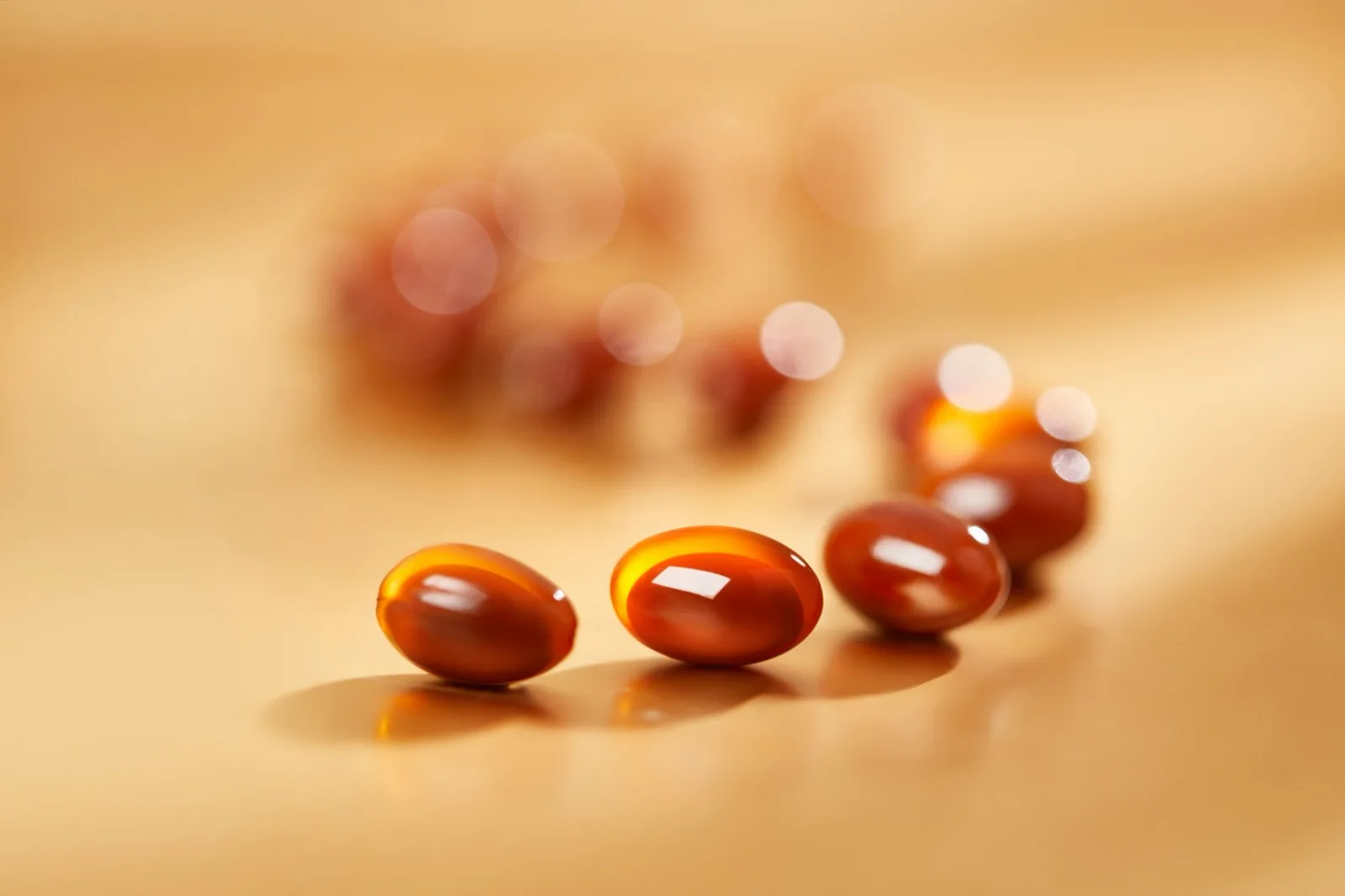
featured_image_alt: "Macro photograph of golden dietary supplement capsules resting on warm reflective amber background"
NMN and NAD Skincare & Supplements in Japan: Science, Regulations & Facts
Over the past five years, Japan has emerged as an epicenter of consumer longevity science. In pharmacy chains, luxury department stores, and clinical aesthetics boutiques across Tokyo and Osaka, products prominently labeled NMN (nicotinamide mononucleotide) and NAD+ (nicotinamide adenine dinucleotide) command premium prices. From oral dietary capsules boasting high chemical purity to opulent facial essences promising cellular revival, the longevity boom shows no sign of slowing.
Yet alongside this commercial enthusiasm, significant confusion persists. What is the real biochemical difference between oral ingestion and topical application? How does Japan's regulatory framework evaluate these substances? And most crucially: where does peer-reviewed science end, and marketing exaggeration begin?
Quick answer: NMN is a bioactive precursor that mammalian cells convert into NAD+, an essential coenzyme required for mitochondrial energy synthesis (ATP) and sirtuin protein activation. In March 2020, Japan's Ministry of Health, Labour and Welfare (MHLW) officially added NMN to the non-drug list for dietary foods, catalyzing Japan's domestic supplement market. In cosmetics, topical NMN acts primarily as a high-potency water-soluble humectant and antioxidant within the stratum corneum. While rodent research into sirtuin longevity pathways is extensive, human clinical data remains ongoing; neither supplements nor cosmetics can legally claim to reverse aging, treat diseases, or extend human lifespan under Japanese law.
What Are NMN and NAD+? The Biological Coenzyme System
To evaluate longevity products objectively, one must first understand the fundamental enzymatic pathway that governs cellular metabolism.
1. The Critical Role of NAD+
Nicotinamide adenine dinucleotide (NAD+) is a vital coenzyme present in every living cell. It serves two distinct biochemical functions:
Redox Reactions: Transferring electrons during glycolysis and the citric acid cycle within mitochondria to generate adenosine triphosphate (ATP), the fundamental energy currency of human tissue.
Enzyme Substrate: Serving as an obligate consumable cofactor for sirtuins (SIRT1–SIRT7), a class of deacetylase proteins linked to cellular stress resistance, DNA repair mechanisms, and circadian rhythm regulation.
As humans age, systemic NAD+ concentrations decline significantly across tissues—including dermal fibroblasts and epidermal keratinocytes—prompting scientific inquiry into whether replenishing NAD+ pools can support cellular resilience.
2. Why NMN Instead of Direct NAD+?
Direct oral or topical administration of whole NAD+ encounters biological hurdles:
High Molecular Weight: Intact NAD+ is a large, charged molecule (molecular weight approximately 663.4 Da), making it difficult to cross cellular lipid membranes or penetrate the skin barrier intact.
NMN as the Intermediate Precursor: Nicotinamide mononucleotide (NMN, molecular weight approximately 334.2 Da) is a direct intermediate in the NAD+ salvage pathway. Cells absorb NMN through specialized transporters (such as Slc12a8) and rapidly enzymatically convert it into functional NAD+.
Japanese Regulatory Landscape: MHLW Food Status vs Cosmetic Regulations
Japan possesses a transparent, strictly enforced regulatory framework governing both nutritional supplements and cosmetic topical formulations.
Scroll horizontally to view full table
Regulatory Category
Legal Classification in Japan
Permitted Claims under PMD Act
Key Quality & Purity Criteria
Oral Dietary Supplements
Non-drug food ingredient (approved March 31, 2020 by MHLW)
Nutritional replenishment, daily vitality; zero medical treatment or anti-aging cure claims allowed
Cosmetic-grade stability, dermal irritation testing, absence of banned contaminants
1. The March 2020 MHLW De-Listing Milestone
Prior to 2020, NMN occupied an ambiguous legal space in Japan. On March 31, 2020, the Ministry of Health, Labour and Welfare (MHLW) updated its official Non-Drug List (Iyakuhin no Han-i Kijun), formally classifying NMN as a raw material permitted in general foods and nutritional supplements. This definitive regulatory clarity prompted major Japanese pharmaceutical corporations and university research spin-offs to invest heavily in domestic fermentation synthesis.
2. The Strict Boundary of the PMD Act
Under Japan's Pharmaceutical and Medical Devices Act (PMD Act):
Supplements cannot claim to "reverse biological age," "cure cellular degeneration," or "prevent dementia."
Topical cosmetics containing NMN can only claim physiological effects limited to the stratum corneum (such as "deeply hydrates surface layers," "maintains firmness," or "improves suppleness").
Any Japanese brand claiming that its cosmetic or supplement "activates longevity genes to stop aging" violates Japanese advertising law.
Topical NMN vs Oral Supplements: Bioavailability and Skin Penetration
Consumers often wonder whether they should ingest NMN capsules, apply NMN serums to their face, or combine both approaches.
1. Oral Ingestion: Systemic Circulation
When consumed orally in capsule form:
NMN enters the gastrointestinal tract, where it is absorbed into hepatic and vascular circulation.
Systemic clinical trials conducted at Keio University School of Medicine and University of Toyama have demonstrated that single and repeat oral doses of 100 mg to 500 mg of high-purity NMN are safely metabolized in healthy humans without acute adverse effects, elevating blood NAD+ metabolite levels.
However, because internal organs (liver, kidneys, muscles) utilize circulating NAD+ precursors first, only a fraction of systemic NMN directly reaches the outermost cutaneous layers.
When applied topically in an essence, lotion, or cream:
Stratum Corneum Hydration: NMN is a polar, water-soluble molecule that excels as a skin-conditioning humectant. It attracts water molecules into the outermost corneocyte matrix, improving surface plumpness and reinforcing barrier hydration.
Antioxidant Support: Topical application helps neutralize oxidative free radicals generated by environmental exposure to ultraviolet radiation and airborne pollution.
The Penetration Reality: While NMN is smaller than NAD+, crossing the lipophilic stratum corneum without advanced liposomal encapsulation or chemical penetration enhancers remains limited. Topical NMN will not transform underlying facial musculature or mimic surgical interventions; its benefits reside primarily in cutaneous hydration, moisture retention, and superficial texture refinement.
Evaluating Japanese NMN Products: Purity, Testing & Label Verification
Because raw NMN synthesis is an intricate chemical and biotechnological process, significant quality disparities exist in the international market. When evaluating Japanese products, look for four objective indicators:
1. Beta-NMN (β-NMN) vs Alpha-NMN (α-NMN)
Only the beta-anomer (β-Nicotinamide Mononucleotide) is biologically active in mammalian physiology. Cheaper, unrefined synthetic batches can contain inactive alpha-isomers or synthesis byproducts. Authentic Japanese manufacturers specify β-NMN on their analytical certificates.
2. Third-Party HPLC Testing & Purity Disclosure
Reputable Japanese brands publish quantitative High-Performance Liquid Chromatography (HPLC) assays conducted by independent inspection laboratories (such as Japan Food Research Laboratories, JFRL). High-tier supplements routinely guarantee purity ratings of 99.0% or greater.
3. GMP Manufacturing Certification
Check whether the product is manufactured in a certified Dietary Supplement GMP (Good Manufacturing Practice) facility approved by the Japan Health and Nutrition Food Association (JHNFA). GMP certification mandates rigorous checks for heavy metals, microbial contamination, and active ingredient stability across shelf life.
4. Acid-Resistant Capsule Technology
Because oral NMN can be partially degraded by gastric acid in the stomach, premium Japanese supplements frequently utilize enteric-coated or acid-resistant vegetable capsules (taisan-sei kapuseru) designed to dissolve in the small intestine for optimal absorption.
Realistic Expectations: Separating Longevity Science from Marketing Hype
While longevity science is among the most exciting frontiers of contemporary biochemistry, maintaining evidence-based expectations is essential:
What NMN Can Do: Support systemic NAD+ metabolism when taken orally as part of a balanced diet; provide excellent surface moisture, barrier support, and antioxidant protection when applied topically in well-formulated skincare.
What NMN Cannot Do: It cannot replace foundational lifestyle pillars such as high-SPF daily sunscreen application, adequate sleep, regular physical exercise, and nutrient-dense nutrition. It does not freeze biological aging or reverse severe deep wrinkles.
Medical Prudence: Pregnant or lactating individuals, and those undergoing active oncological treatments or chronic medical management, should consult their physician before introducing concentrated NAD+ precursor supplements.
FAQ
Q1. Is NMN legal and safe to buy in Japan?
A. Yes, NMN is completely legal in Japan as both a food ingredient and a cosmetic component.(Details)
In March 2020, Japan's Ministry of Health, Labour and Welfare (MHLW) officially added NMN to the non-drug list for foods. Domestic Japanese human clinical trials have affirmed its safety profile across typical oral dosages (100 mg to 500 mg daily). Visitors and residents can freely purchase authentic NMN supplements and skincare at drugstores and department stores throughout Japan.
Q2. What is the difference between NMN and Niacinamide?
A. Both are forms of Vitamin B3, but NMN is a more advanced intermediate precursor closer to NAD+.(Details)
Niacinamide (nicotinamide) is the standard vitamin form of B3 and requires multiple enzymatic steps—primarily catalyzed by the rate-limiting enzyme NAMPT—to convert into NMN, and ultimately into NAD+. NMN bypasses this rate-limiting step in cellular biosynthesis. In cosmetics, niacinamide has decades of clinical safety data and is approved in Japan as a Quasi-Drug active for brightening and wrinkle improvement, whereas topical NMN is a newer cosmetic ingredient primarily focused on hydration.
Q3. Can topical NMN skincare penetrate through the entire skin barrier?
A. Topical NMN primarily acts within the outermost stratum corneum layers.(Details)
Human skin is an evolved hydrophobic barrier designed to keep external molecules out. NMN is a water-soluble molecule with a molecular weight of approximately 334 Da. While smaller than whole NAD+, its hydrophilic nature limits deep passive penetration into the living dermis. In standard cosmetic formulations, NMN functions as a skin-conditioning humectant and surface antioxidant, improving hydration and softness within the outer dead cell layers.
Q4. How should NMN oral supplements and serums be stored?
A. Store NMN in a cool, dry place away from direct sunlight, humidity, and excessive heat.(Details)
NMN is hygroscopic and sensitive to thermal degradation and moisture. When exposed to heat and humidity over extended periods, NMN can hydrolyze back into standard nicotinamide. Always keep supplement bottles tightly closed in a cool, dark cupboard or refrigerator, and choose topical serums housed in opaque, airtight, or amber glass containers.
Q5. Why are Japanese NMN supplements often more expensive than overseas alternatives?
A. Higher price tags reflect domestic biotechnology fermentation, HPLC purity verification, and strict GMP manufacturing.(Details)
Authentic Japanese NMN is predominantly synthesized through advanced enzymatic or biological fermentation methods rather than harsh industrial chemical synthesis. Furthermore, reputable Japanese brands utilize domestic GMP-certified facilities and perform rigorous independent batch testing (HPLC) to guarantee over 99% pure beta-NMN without chemical solvent residues, contributing to premium production costs.
Key Takeaways & Summary
Biochemical Coenzyme Link: NMN serves as a direct biological precursor to NAD+, a molecule indispensable for cellular energy production and enzymatic maintenance.
Clarified Japanese Regulations: NMN is legally recognized by the MHLW as a safe non-drug food ingredient and cosmetic raw material, subject to strict advertising boundaries prohibiting anti-aging medical claims.
Topical vs. Oral Synergy: Supplements support systemic NAD+ precursor pools, while topical essences act as protective, plumping humectants and antioxidants on the stratum corneum.
Verify Quality Metrics: Always check for certified β-NMN, third-party HPLC quantitative purity assays (>99%), and domestic GMP facility manufacturing.
References
Ministry of Health, Labour and Welfare (MHLW) — Revision of the Non-Drug List under the Pharmaceutical and Medical Devices Act, Official Circular (March 31, 2020).
Keio University School of Medicine — Clinical Evaluation of the Safety and Pharmacokinetics of Oral Nicotinamide Mononucleotide in Healthy Japanese Volunteers, Peer-Reviewed Human Trial Report.
Japan Health and Nutrition Food Association (JHNFA) — Good Manufacturing Practice (GMP) Standards and Analytical Assay Criteria for Dietary Supplements, Regulatory Compendium.
Society of Cosmetic Chemists of Japan (SCCJ) — Physicochemical Stability, Cutaneous Barrier Dynamics, and Formulating Criteria for Nicotinamide Mononucleotide in Skincare, Technical Paper.
Disclaimer: This article is for general information and education about Japanese cosmetics and their labels. It is not a substitute for professional medical advice, diagnosis, or treatment. Skincare results vary from person to person. Product formulas, availability, prices, and regulations change, and products sold in Japan can differ from versions sold elsewhere, so always check the current label. Do a patch test before introducing a new product, and consult a doctor or dermatologist if you have a skin condition or specific concerns.