title: Polyglutamic Acid in Skincare: Natto-Derived Hydration description: Explore polyglutamic acid (PGA) in Japanese skincare. Learn how natto-derived peptides deliver multi-molecular hydration, TEWL defense, and a silky finish. meta_description: Explore polyglutamic acid (PGA) in Japanese skincare. Learn how natto-derived peptides deliver multi-molecular hydration, TEWL defense, and a silky finish. published_at: "2026-11-17" updated_at: "2026-11-17" fact_checked_at: "2026-11-17" author: "Miho Tanaka" category: "ingredients" slug: "polyglutamic-acid-natto-skincare" thumbnail: "/images/stock/natural-botanical-ferment-hydration.webp" thumbnail_alt: "Fermented botanical bio-extract representing natto-derived polyglutamic acid hydration" affiliate: false ja_equivalent: null publish: true
Polyglutamic Acid in Skincare: Natto-Derived Hydration
While hyaluronic acid has long dominated global conversations surrounding humectant hydration, Japanese cosmetic chemistry has pioneered an extraordinary alternative bio-polymer: polyglutamic acid (PGA).
Originally identified in the characteristic sticky mucilage of natto—traditional Japanese fermented soybeans—polyglutamic acid is a naturally derived peptide polymer formed by bacterial fermentation. Capable of holding up to five thousand times its own dry weight in water, PGA forms an elastic, protective moisture veil over the skin.
Unlike dense oils or heavy waxes, refined polyglutamic acid helps the skin surface hold moisture and look plumper while drying down into an elegant, non-sticky, velvet-smooth finish.
Polyglutamic acid (PGA) is a water-soluble poly-amino acid originally isolated from fermented soybeans (*natto*). Operating as an advanced humectant and film-forming biopolymer, brands and some studies describe it as binding large amounts of water; comparisons with hyaluronic acid vary by source and are not a reason to choose one over the other. It forms a breathable, flexible shield that curbs transepidermal water loss (TEWL), smooths rough texture, and helps defend native skin moisture without tacky residue.

Traditional Japanese microbial fermentation produces refined peptide polymers with remarkable moisture-binding capacity.
What Is Polyglutamic Acid? The Natto Fermentation Breakthrough
Polyglutamic acid, specifically poly-gamma-glutamic acid (γ-PGA), is a naturally occurring, water-soluble bio-polymer composed of repeating L-glutamic acid and D-glutamic acid units linked by amide bonds[1].
1. The Natto Connection
In traditional Japanese cuisine, natto is crafted by inoculating steamed soybeans with Bacillus subtilis var. natto. As the friendly bacteria ferment the legume proteins, they synthesize long, viscous mucilage strings.
- In the 1930s, Japanese microbiologists discovered that this signature viscosity was formed primarily by high-molecular-weight gamma-polyglutamic acid combined with fructan carbohydrates.
- In nature, the bacterium produces PGA as a protective survival capsule, trapping ambient moisture and shielding bacterial cells against harsh osmotic stress and dry environments.
2. Modern Cosmetic Bio-Engineering
Raw natto cannot simply be applied to the skin. Modern cosmetic manufacturers employ precision bio-fermentation in sterile laboratory bioreactors.
- Microbial cultures synthesize pure, pharmaceutical-grade polyglutamic acid.
- The resulting biopolymer is filtered, deodorized, and isolated from soy proteins, producing a crystal-clear, odorless, water-soluble active ingredient.
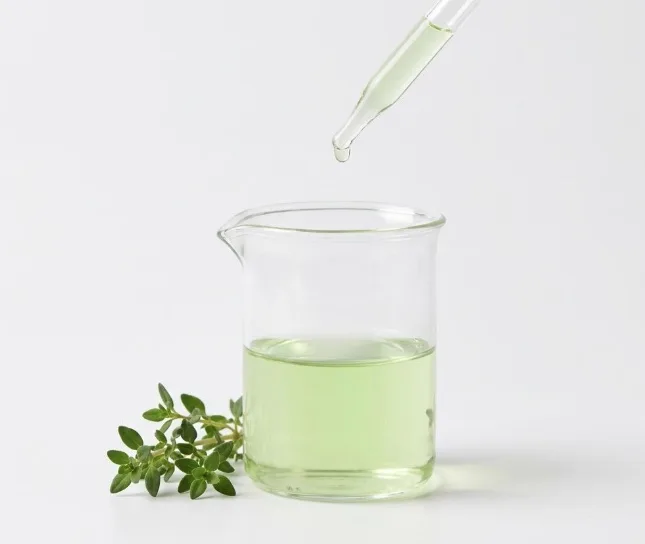
Bioreactor cultivation isolates pure poly-amino acid chains, yielding a clear, non-sticky humectant fluid.
How Polyglutamic Acid Hydrates and Conditions the Barrier
Topical application of refined polyglutamic acid introduces three distinct physical and physiological actions across the stratum corneum:
1. Massive Water-Binding Capacity
While standard hyaluronic acid is celebrated for holding up to 1,000 times its weight in water, high-molecular polyglutamic acid holds up to 4,000 to 5,000 times its dry weight. Its hydrophilic carboxylic side chains create an electrostatic net that traps ambient water molecules, maintaining moisture even in dry, climate-controlled environments.
2. Elastic Moisture-Sealing Film (TEWL Reduction)
Because cosmetic PGA operates as a large-chain macromolecule (often ranging from 500 kDa to over 2,000 kDa), it does not disrupt deeper dermal structures. Instead, it spreads across the outer epidermis to form a breathable, micro-porous moisture lattice. This surface shield dramatically curbs transepidermal water loss (TEWL)[2], buffering the skin barrier against dry winds, heated indoor air, and friction.
3. Supporting Endogenous Hyaluronic Acid
In laboratory (in vitro) studies, polyglutamic acid has shown inhibitory activity against hyaluronidase, an enzyme that breaks down hyaluronic acid. These findings are from test-tube experiments and do not show that a skincare product protects hyaluronic acid inside the skin.
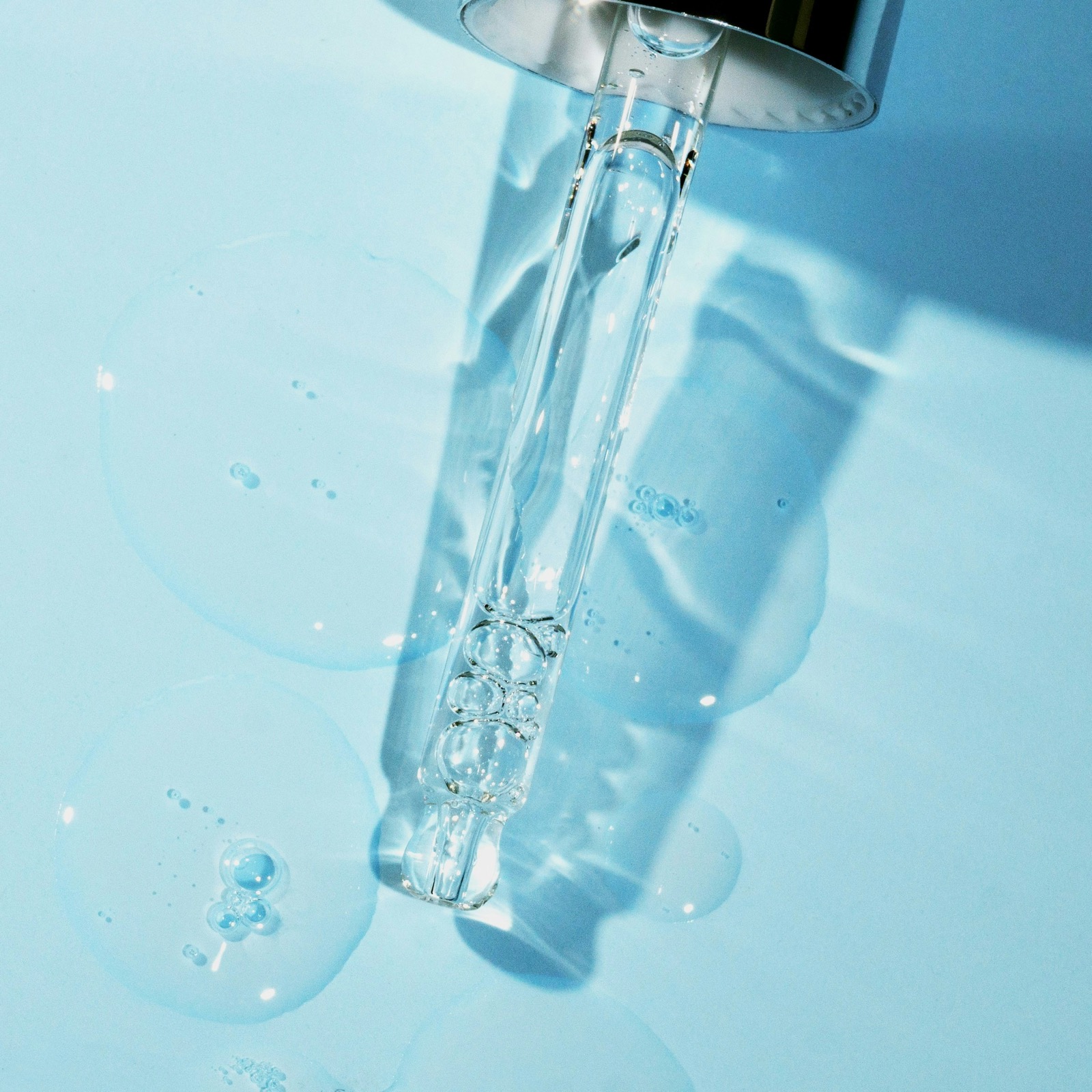
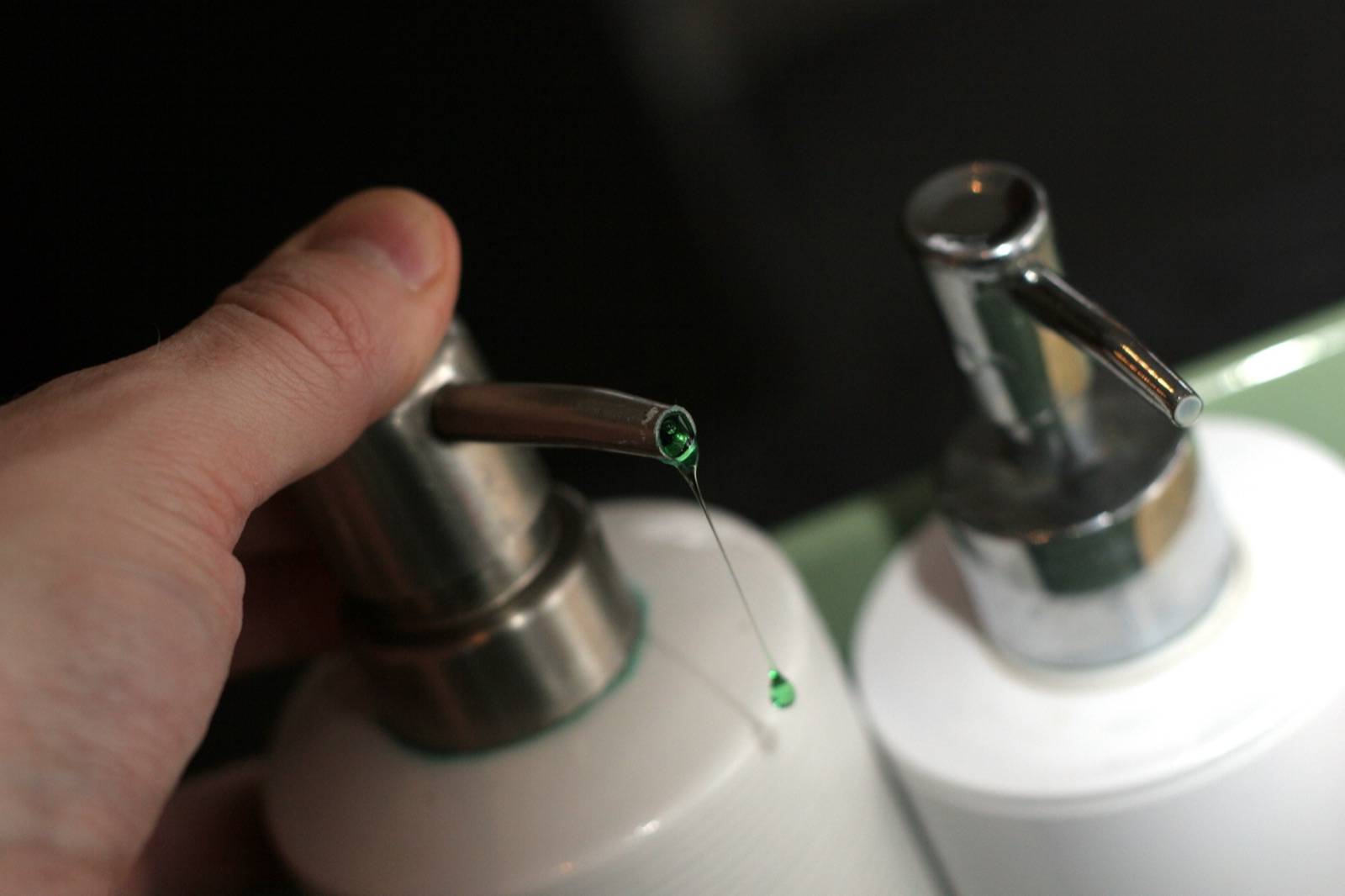
Formulating PGA into essence droplets creates an elastic fluid that cushions dehydrated skin cells immediately upon application.
Polyglutamic Acid vs. Hyaluronic Acid vs. Beta-Glucan
To understand how PGA compares with other leading cosmetic mega-hydrators, review the functional characteristics below:
Scroll horizontally to see more
| Mega-Hydrator | Natural Origin | Molecular Architecture | Water-Binding Capacity | Skin Feel & Finish |
|---|---|---|---|---|
| Polyglutamic Acid (PGA) | Bacterial ferment (*natto*) | Poly-amino acid (peptide chain) | Up to 4,000–5,000x dry weight | Silky, smooth, instant glide; non-tacky dry-down |
| Hyaluronic Acid (HA) | Bio-fermentation | Glycosaminoglycan (disaccharide) | Up to 1,000x dry weight | Viscous, bouncy cushion; can feel slightly tacky |
| Beta-Glucan | Oats, yeast, or mushrooms | Polysaccharide (glucose polymer) | High moisture retention + soothing | Rich, velvety, comforting emollient cushion |
| Glycerin | Plant oils / vegetable lipids | Small trihydroxy sugar alcohol | Low-molecular humectant baseline | Lightweight, fast-absorbing, slightly warm slip |