title: Sakura Extract in Japanese Skincare: Cherry Blossom Science description: Discover sakura (cherry blossom) extract in Japanese skincare. Learn about caffeoyl glucose, how brands use it, and gentle hydrating formulas. meta_description: Discover sakura (cherry blossom) extract in Japanese skincare. Learn about caffeoyl glucose, how brands use it, and gentle hydrating formulas. published_at: "2026-11-17" updated_at: "2026-11-17" fact_checked_at: "2026-11-17" author: "Miho Tanaka" category: "ingredients" slug: "sakura-cherry-blossom-extract-skincare" thumbnail: "/images/stock/ingredient-white-flower-blossom-gentle.jpg" thumbnail_alt: "Delicate spring blossoms representing Japanese sakura cherry blossom skincare extract" affiliate: false ja_equivalent: null publish: true
Sakura Extract in Japanese Skincare: Cherry Blossom Science
Every spring, the fleeting blooming of cherry blossoms (sakura) captivates Japan and travelers worldwide. While sakura has symbolized renewal, beauty, and transience in Japanese art for centuries, modern cosmetic scientists look beyond its poetic symbolism to the potent bioactive compounds concentrated within its petals and leaves.
Far from being a mere decorative marketing novelty or synthetic perfume additive, authentic Japanese cherry blossom extract (sakura ekisu) is a clinically researched botanical.
Rich in caffeoyl glucose, flavonoid glycosides, and organic acids, sakura extract is prized in Japanese formulations for its ability to condition sensitized barriers, counteract visible skin dullness, and support firm, youthful-looking skin.
Authentic sakura extract—derived primarily from *Prunus yedoensis* leaves or *Prunus lannesiana* petals—is a polyphenol-dense botanical that conditions fragile skin. Its primary bioactive markers, caffeoyl glucose and quercetin glycosides, show antioxidant activity in laboratory tests, and are used by brands in formulas described as soothing rough-feeling skin and addressing the look of dullness related to glycation (the stiffening of structural proteins by excess sugars). It supports skin elasticity, softens texture, and delivers dewy, non-sticky hydration suitable for sensitive complexions.
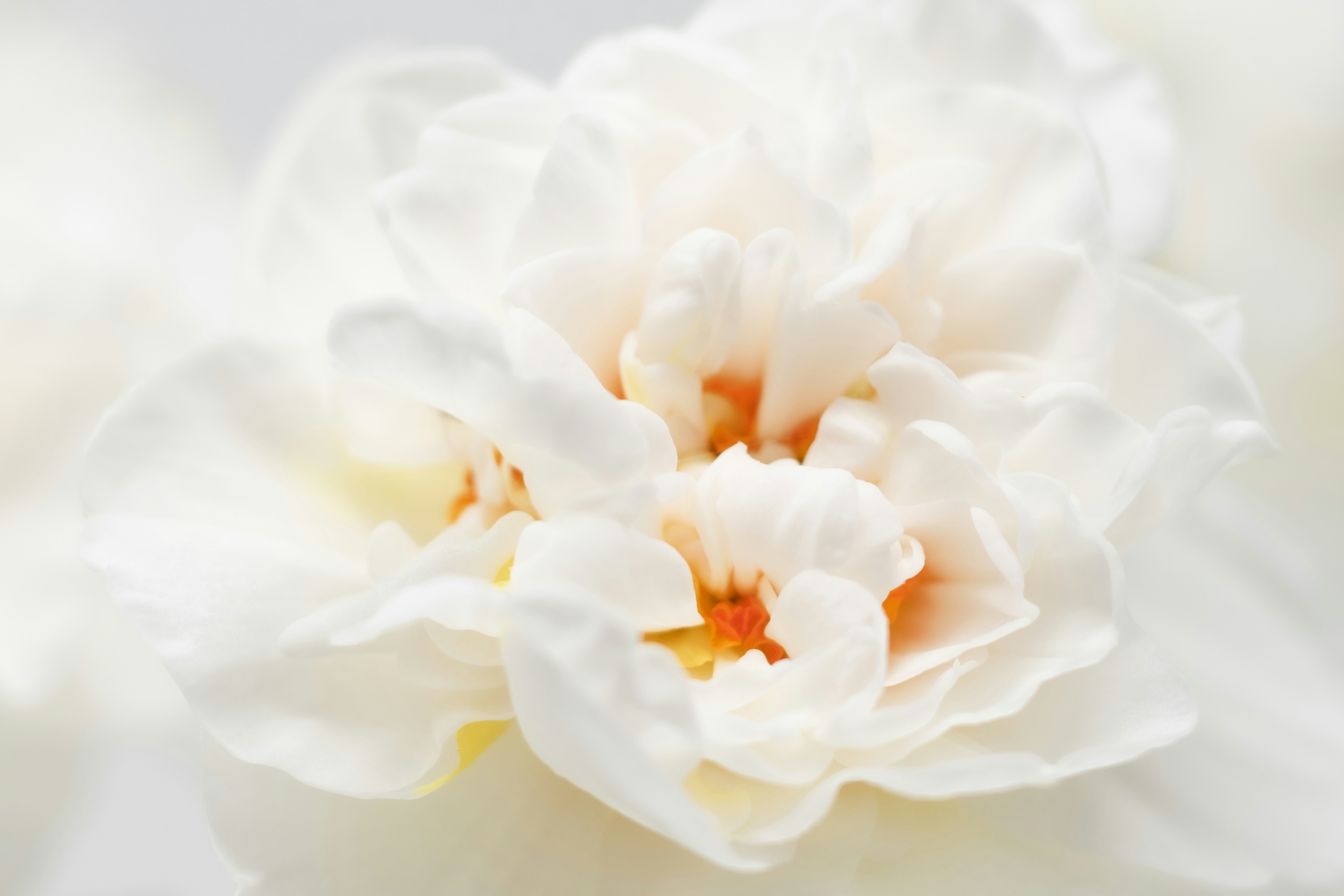
Carefully gathered petals and leaves of Japanese flowering cherry trees yield refined antioxidant botanical extracts.
What Is Sakura Extract? Beyond the Spring Scent
In global commercial cosmetics, many Western products labeled "cherry blossom" contain little more than synthetic floral fragrance and pink dye. In authentic Japanese skincare, however, formulators utilize genuine, purified botanical extracts derived from two distinct botanical species[1]:
1. The Two Main Sourcing Varieties
- Somei-Yoshino (Prunus yedoensis): Japan's most famous single-petal cherry cultivar. Cosmetic laboratories harvest pristine green leaves in late spring to early summer to extract water-soluble polyphenols.
- Yaezakura / Satozakura (Prunus lannesiana): Multi-petaled double cherry blossoms, traditionally grown in regions like Kanagawa Prefecture. Hand-picked blossoms are distilled at low temperatures to capture delicate floral glycosides.
2. Scent vs. Substance
Pure cosmetic sakura extract is virtually odorless, displaying a pale blush or light golden-amber hue. It carries none of the intense, candy-sweet fruitiness often associated with artificial cherry fragrances. Instead, it contributes bioactive flavonoids that work quietly on the stratum corneum.
Formulating sakura extract into velvety creams creates a smooth moisture cushion that soothes fragile skin barriers.
Phytochemical Powerhouses: Caffeoyl Glucose and Quercetin
Japanese dermatology and bio-engineering studies have identified key molecular constituents responsible for sakura's skincare benefits:
1. 1-O-Caffeoyl-β-D-Glucose and Anti-Glycation Research
In Japanese cellular research, 1-O-caffeoyl-β-D-glucose stands out as the primary functional marker in cherry blossom petal extract:
- Combating Glycation (AGEs): In human skin, reducing sugars react with dermal proteins to form Advanced Glycation End-products (AGEs)[2]. This process yellows the complexion (kigusumi) and impairs natural skin suppleness.
- Supporting Elasticity: Research demonstrates that caffeoyl glucose inhibits AGE formation pathways, helping preserve extracellular matrix resilience and maintaining bouncy, radiant skin.
2. Quercetin and Kaempferol Glucosides
Sakura petals and leaves are packed with potent flavonoid glycosides. These natural polyphenols serve as efficient free-radical scavengers, neutralizing oxidative stressors triggered by urban particulate smog and daily UV rays. They help calm the appearance of transient redness and support stratum corneum moisture retention.
3. Leaf Extract vs. Flower Extract: Functional Differences
Japanese formulators distinguish between the parts of the tree they utilize:
- Sakura Leaf Extract (Prunus yedoensis): Rich in coumarin precursors and flavonoids that focus on calming rough texture, soothing post-sun exposure, and evening out skin tone.
- Sakura Flower Extract (Prunus lannesiana): Concentrated in caffeoyl glucose, used by brands in formulas aimed at the look of dullness and hydration.
Comparing Japanese Floral Extracts
To understand how sakura performs relative to other heritage Japanese floral ingredients, review the functional comparison below:
Scroll horizontally to see more
| Floral Botanical | Botanical Species | Primary Phytochemical | Core Skincare Action | Texture & Finish |
|---|---|---|---|---|
| Sakura (Cherry Blossom) | *Prunus yedoensis / lannesiana* | Caffeoyl glucose, quercetin | Antioxidant botanical; conditions the skin surface | Dewy, weightless, silky fluid finish |
| Tsubaki (Camellia) | *Camellia japonica* | Oleic acid, camelliaside | Deep lipid replenishment, seals barrier moisture | Rich, velvety, nourishing emollient oil |
| Botan (Tree Peony) | *Paeonia suffruticosa* | Paeonol, paeoniflorin | Calms sensitive flushing, supports micro-circulation | Lightweight, clarifying, cooling lotion |
| Hasu (Nelumbo Lotus) | *Nelumbo nucifera* | Nelumboside, isoquercitrin | Hydrates dehydrated pores, gentle astringency | Watery, crisp, fast-absorbing fluid |