title: Shiso Extract in Japanese Skincare: Perilla Barrier Science description: Explore shiso (perilla) extract in Japanese skincare. Learn how rosmarinic acid and omega-3s condition sensitive barriers and calm dry skin roughness. meta_description: Explore shiso (perilla) extract in Japanese skincare. Learn how rosmarinic acid and omega-3s condition sensitive barriers and calm dry skin roughness. published_at: "2026-11-17" updated_at: "2026-11-17" fact_checked_at: "2026-11-17" author: "Miho Tanaka" category: "ingredients" slug: "shiso-perilla-extract-japanese-skincare" thumbnail: "/images/stock/calming-botanical-soothing-allantoin.webp" thumbnail_alt: "Fresh botanical herbal leaves representing soothing Japanese shiso perilla extract" affiliate: false ja_equivalent: null publish: true
Shiso Extract in Japanese Skincare: Perilla Barrier Science
For centuries, shiso (Perilla frutescens var. crispa) has occupied an essential role in Japanese culinary and traditional medicinal culture. Celebrated as an aromatic culinary garnish and an ancient Kampo herb (soyo), shiso was prized by early herbalists for its natural cleansing and preservative properties.
In modern Japanese dermatological research, shiso extract has earned a dedicated reputation as one of the country's premier botanicals for fragile, sensitized, and easily irritated skin barriers.
Rich in polyphenolic rosmarinic acid, soothing flavonoid glycosides, and nourishing omega-3 fatty acids, shiso delivers focused barrier conditioning that relieves dry tightness, calms the look of redness, and reinforces moisture retention without synthetic heaviness.
Shiso (Japanese perilla) extract is a calming botanical rich in rosmarinic acid, luteolin, and essential fatty acids. In skincare formulations, it conditions sensitive and easily unsettled skin, buffers against environmental oxidative stress, and softens dry, rough patches. Often formulated into barrier lotions and gentle milks for reactive complexions, it delivers soothing, non-greasy hydration that helps maintain stratum corneum equilibrium.
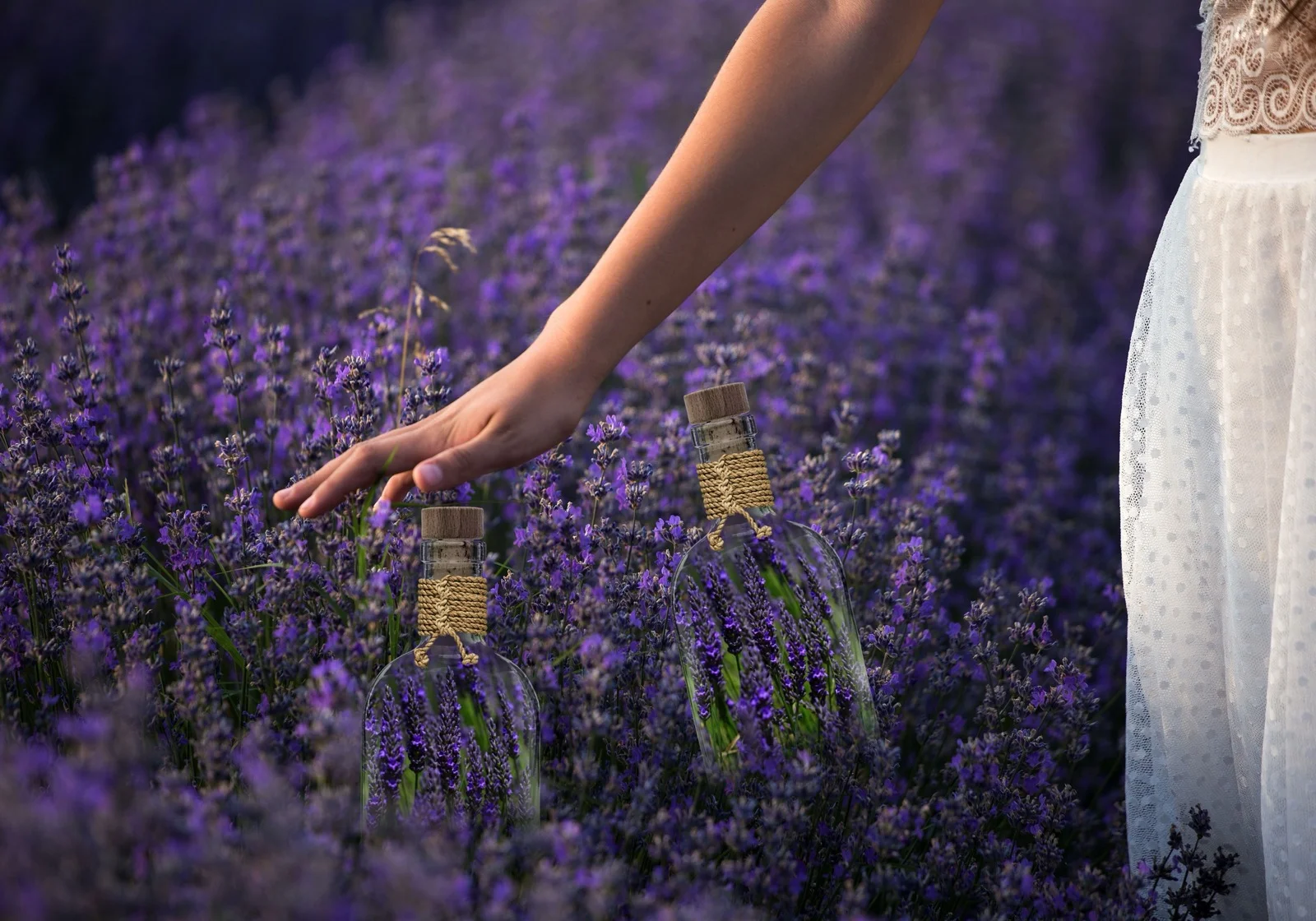
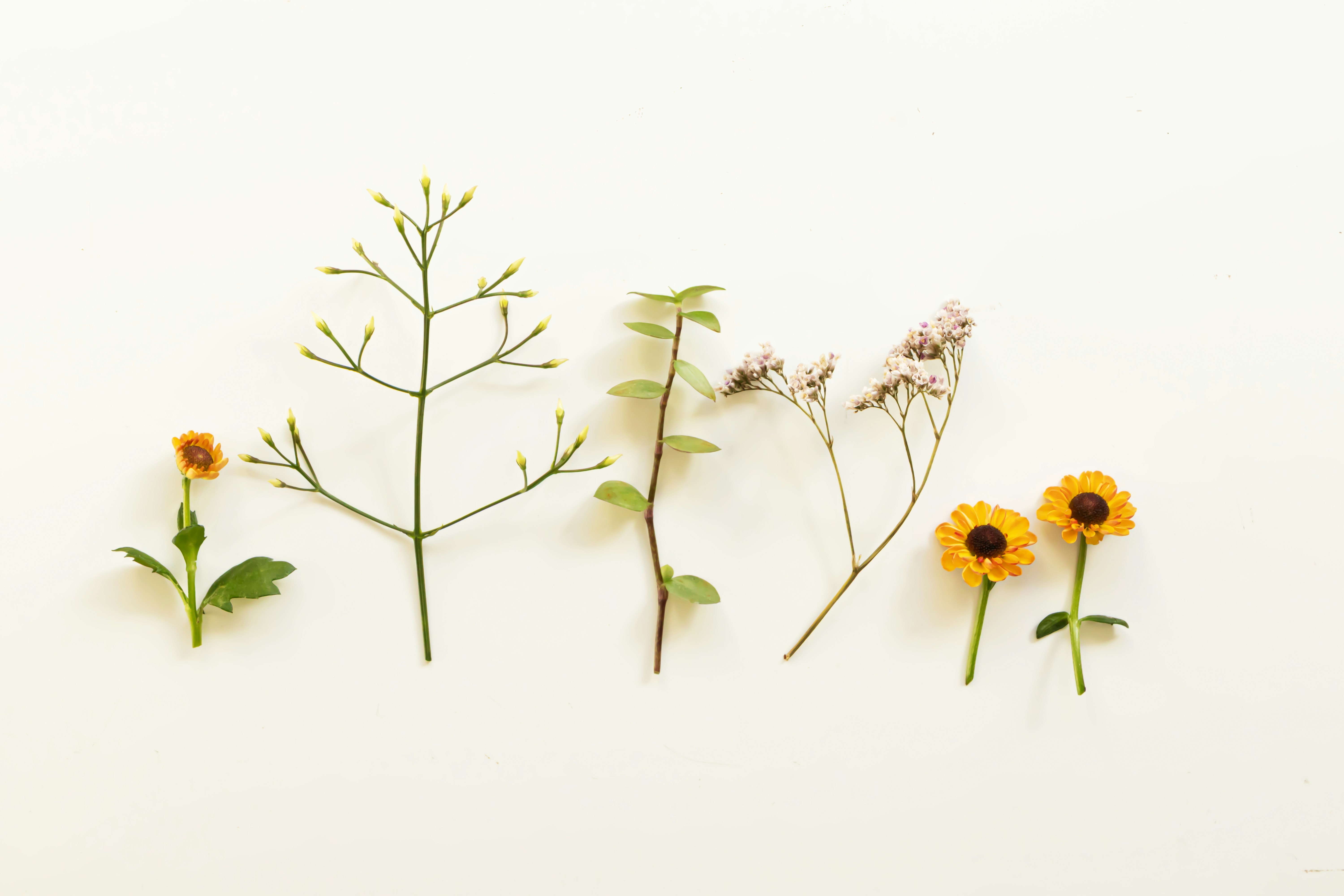
Harvesting crisp leaves of cultivated Japanese perilla provides concentrated botanical flavonoids that support fragile barriers.
What Is Shiso? The Botany of Japanese Perilla
Belonging to the Lamiaceae (mint) family, shiso is an annual herb native to East Asia, cultivated across Japan since ancient times[1].
1. Red Shiso (Akajiso) vs. Green Shiso (Aojiso)
Japanese agriculture recognizes two primary culinary and cosmetic varieties:
- Red Shiso (Akajiso): Characterized by deep crimson-purple foliage saturated with anthocyanin pigments. In skincare, red shiso is celebrated for its dense polyphenol yield and robust free-radical scavenging capacity.
- Green Shiso (Aojiso / Ooba): Characterized by bright emerald-green frills and high concentrations of aromatic terpenes (such as perillaldehyde), prized for gentle astringency and refreshing skin clarification.
2. Dedicated Sourcing in Hokkaido
While wild perilla grows across Japan, leading Japanese sensitive-skin brands source their crop from dedicated contract farms in regions such as Shiranuka in eastern Hokkaido. Grown in clean subarctic air with pure snowmelt water and minimal pesticide intervention, Hokkaido shiso yields exceptionally pure, consistent active extracts tailored for reactive complexions.
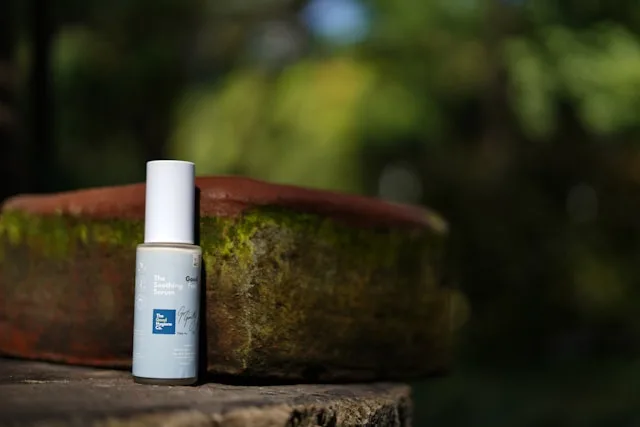
Formulating shiso extracts into fluid serums delivers targeted antioxidant shielding against urban environmental micro-stress.
Phytochemical Composition: Rosmarinic Acid and Fatty Acids
The therapeutic conditioning performance of shiso stems from a synergistic matrix of water-soluble and lipid-soluble bio-compounds:
1. Rosmarinic Acid: Potent Polyphenol Shield
Rosmarinic acid is a natural caffeic acid ester abundant in shiso leaves[2]:
- Neutralizing Free Radicals: It exhibits strong antioxidant efficacy, intercepting reactive oxygen species (ROS) triggered by urban airborne particulates and ultraviolet radiation.
- Calming Surface Stress: Topical rosmarinic acid helps soothe the visible signs of micro-irritation and buffers the stratum corneum against dry seasonal winds.
2. Flavonoids (Luteolin and Apigenin)
Shiso leaves contain concentrated fractions of luteolin and apigenin. These plant flavonoids help soothe the look of transient redness and facial flushing, conditioning rough, dry micro-fissures without clogging delicate pores.
3. Perilla Seed Oil: Alpha-Linolenic Acid (Omega-3)
Extracted from the tiny seeds of the plant (shisoyu), perilla seed oil is one of the richest botanical sources of alpha-linolenic acid (ALA), an essential polyunsaturated omega-3 fatty acid.
- When formulated into barrier creams and lotions, perilla seed lipids replenish intercellular lipid pathways.
- It reinforces the moisture seal, keeping dry, flaky skin supple and hydrated.
Comparing Japanese Soothing Botanicals
Japanese cosmetic chemists frequently contrast shiso with other heritage calming botanicals. Review their comparative functional profiles below:
Scroll horizontally to see more
| Botanical Extract | Key Bioactive Constituent | Primary Calming Objective | Texture & Finish | Ideal Skin Profile |
|---|---|---|---|---|
| Shiso (Perilla) | Rosmarinic acid, luteolin, omega-3 ALA | Soothes dry roughness, environmental defense | Lightweight, fluid, silky non-sticky veil | Sensitive, reactive, and easily flushed skin |
| Yomogi (Mugwort) | Eupatilin, cineole, tannins | Gentle astringency, sebum balance, cooling | Crisp, refreshing, light herbal finish | Combination, blemish-prone, and oily skin |
| Dokudami (Houttuynia) | Quercitrin, hyperoside | Clarifies congested pores, surface smoothing | Water-light, clarifying, quick-absorbing | Acne-prone, humid-climate, and congested skin |
| Hatomugi (Job's Tears) | Coixenolide, amino acids | Hydrates rough texture, clarifies tone | Clean, watery, refreshing moisture splash | Dehydrated skin and uneven micro-texture |