Tocopherol & Vitamin E Derivatives in Japanese Skincare: Science & Roles
IngredientsBy Miho Tanaka
title: Tocopherol & Vitamin E Derivatives in Japanese Skincare: Science & Roles
description: Understand tocopherol and Vitamin E derivatives in Japanese skincare. Explore antioxidant stability, circulation support, Quasi-Drug roles, and Vitamin C synergy.
published_at: "2026-11-15"
updated_at: "2026-11-15"
fact_checked_at: "2026-11-15"
author: "Miho Tanaka"
category: "ingredients"
thumbnail: "/images/stock/golden-oil-dropper-bottle-pink-background.jpg"
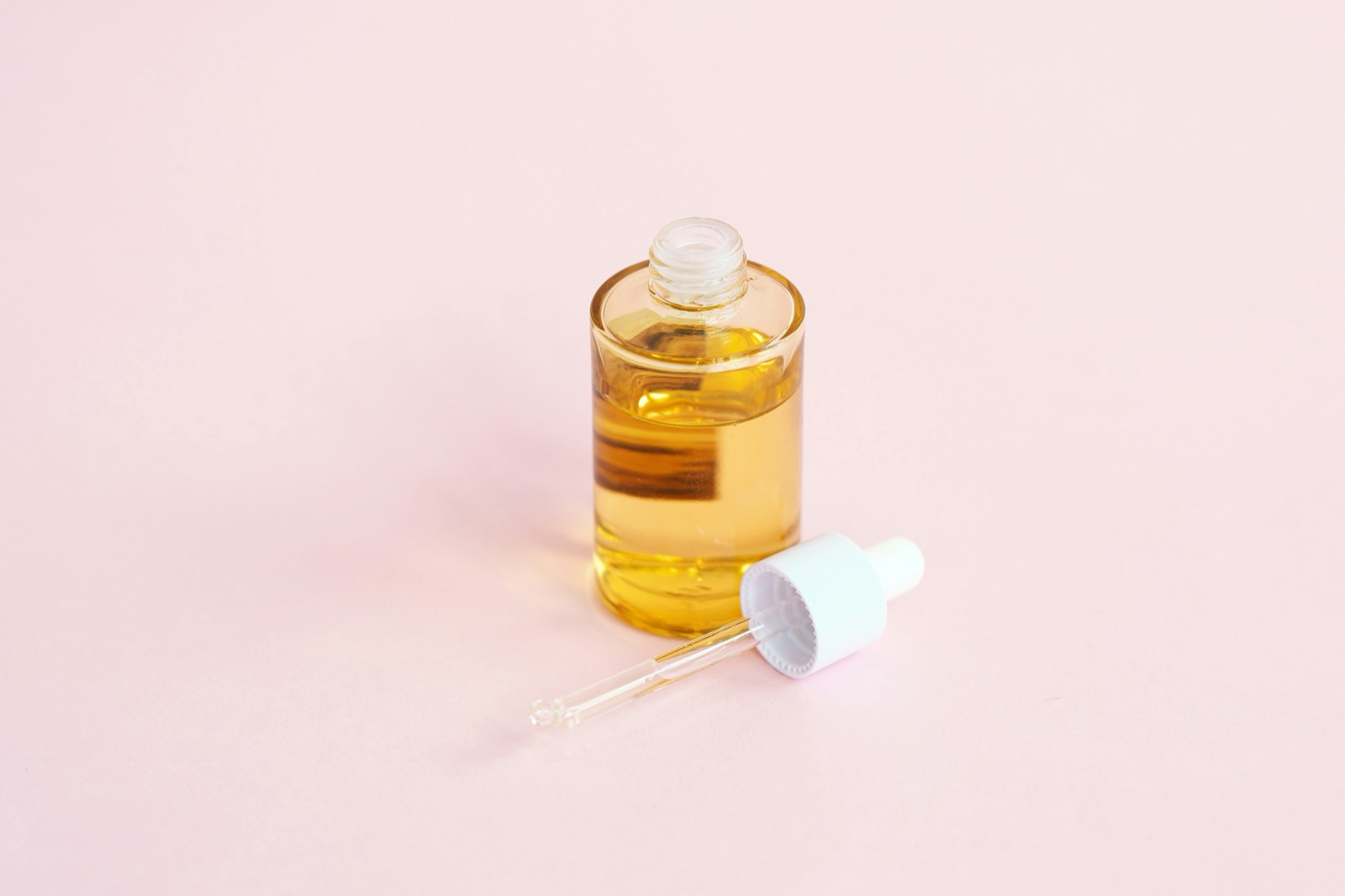
thumbnail_alt: "Golden facial oil with glass dropper demonstrating pure botanical antioxidant formulation"
Tocopherol & Vitamin E Derivatives in Japanese Skincare: Science & Roles
Quick answer: Understand tocopherol and Vitamin E derivatives in Japanese skincare. Explore antioxidant stability, circulation support, Quasi-Drug roles, and Vitamin C synergy.
While trend-driven skincare ingredients come and go, Vitamin E remains one of the most foundational pillars of dermatological science. Scan the ingredient list (zen-seibun) of almost any Japanese cleansing oil, sunscreen, hydrating milk, or anti-aging night cream, and you will discover Tocopherol or one of its sophisticated synthetic derivatives.
In Japanese cosmetic chemistry, Vitamin E does not exist simply as a decorative botanical marketing claim. It fulfills critical dual roles: serving as an in-formula preservative that shields delicate squalane and plant lipids from rancidity, and acting as a certified Quasi-Drug (iyaku-bugaipin) active that intercepts lipid peroxidation, calms micro-inflammation, and promotes microcirculation. This comprehensive guide examines the scientific mechanisms of tocopherol and its advanced derivatives in Japanese beauty, explaining how to decode them on labels and leverage their synergy with Vitamin C.
Comparing Tocopherol and Its Derivatives in Japanese Formulas
Not all Vitamin E is identical. Japanese cosmetic chemists utilize distinct structural variants depending on whether the product is water-based, oil-based, or certified as a therapeutic Quasi-Drug:
Scroll horizontally to view full table
Ingredient Form
Chemical Characteristics
Solubility & Vehicle
Primary Function in J-Beauty
Quasi-Drug / Regulatory Role
Pure Tocopherol (d-alpha-tocopherol)
Naturally derived from soy or rapeseed oil; highly potent lipid antioxidant.
Lipid-soluble (Oils, balms, rich creams)
Protects formula oils from rancidity; neutralizes surface free radicals.
Standard cosmetic antioxidant and emollient conditioning agent.
Tocopheryl Acetate (*Sakusan Tokoferoru*)
Esterified with acetic acid; exceptionally stable against heat and UV exposure.
Lipid-soluble (Milks, sunscreens, lotions)
Enzymatically converted to active Vitamin E in the epidermis; barrier defense.
Certified Quasi-Drug active for preventing rough skin (*hada-are*).
Sodium Tocopheryl Phosphate (TPNa)
Phosphorylated amphiphilic Vitamin E derivative developed by Japanese chemists.
Water-soluble and oil-soluble (Aqueous lotions, toners)
Rapid epidermal penetration; quells oxidative redness and inflammatory acne.
High-performance functional cosmetic and advanced Quasi-Drug active.
Certified Quasi-Drug active for promoting microcirculation and tissue repair.
The Biological Mechanisms of Vitamin E on the Skin Barrier
Extensive research by Japanese beauty conglomerates—including Shiseido, Kao Corporation, and KOSÉ Corporation—has detailed the exact biological mechanisms of topical tocopherols:
1. Intercepting Sebum Lipid Peroxidation
When facial sebum—particularly squalene and unsaturated fatty acids—is exposed to ultraviolet rays, ambient heat, and ozone, it undergoes a chain reaction known as lipid peroxidation. The resulting oxidized lipids (squalene hydroperoxides) are severely comedogenic, damaging follicle linings and triggering inflammatory acne. Tocopherol donates a hydrogen atom to lipid peroxyl radicals, terminating the oxidative chain reaction before tissue destruction occurs.
2. Reinforcing Intercellular Lipid Bilayers
Tocopherol integrates directly into the lamellar lipid bilayers of the stratum corneum alongside ceramides and cholesterol. Its hydrophobic phytyl tail anchors into cell membranes, stabilizing barrier fluidity and preventing trans-epidermal water loss (TEWL).
3. Promoting Peripheral Microcirculation
Formulas containing Tocopheryl Nicotinate are widely prescribed in Japanese dermatology for dull, sluggish complexions, dark under-eye circles, and dry cracked lips. By dilating superficial capillaries, it delivers fresh oxygen and micronutrients to tired epidermal cells, imparting a healthy, rosy vitality (kesshoku-kan).
The CE Network: The Synergistic Duo
In advanced Japanese formulation chemistry, Vitamin E is rarely used in isolation; it is frequently paired with Vitamin C (Ascorbic Acid or its stable derivatives, such as Ascorbyl Glucoside):
How the Recycling Cycle Works:
When Tocopherol neutralizes a free radical on the cell membrane, it becomes oxidized into a tocopheroxyl radical. In this state, it loses its antioxidant potency.
Water-soluble Vitamin C residing in the aqueous intracellular environment donates an electron to the oxidized tocopheroxyl radical.
This reaction regenerates active Tocopherol, allowing it to neutralize another round of lipid peroxides.
Meanwhile, the oxidized Vitamin C is flushed harmlessly through cellular metabolism or regenerated by intracellular glutathione.
This biochemical synergy—known as the Antioxidant Recycling Network—explains why Japanese brightening essences and morning sunscreens consistently blend Vitamin C derivatives with Tocopherol for prolonged photoprotective defense.
How to Check Japanese Product Labels for Vitamin E
When examining Japanese packaging, understanding the placement of Tocopherol reveals its intended purpose:
Listed at the Very Bottom (<0.1%): When Tocopherol appears at the final end of an ingredient deck, its primary function is product stabilization—protecting the plant oils or squalane inside the bottle from oxidizing during shelf life.
Listed in the Middle (0.5% - 1.0%): Indicates a therapeutic antioxidant concentration designed to deliver direct biological barrier protection to your facial skin.
Listed in the "Active Ingredients" (Yuko Seibun) Box: On Quasi-Drug packaging, Tocopheryl Acetate or Tocopheryl Nicotinate is printed separately at the top under active ingredients, legally certifying that it is present at a concentration clinically verified to treat roughness or promote circulation.
FAQ
Q1. Will pure Vitamin E oil clog my pores or cause breakouts?
A. Thick pure Vitamin E oil can feel heavy, but derivatives in Japanese skincare are non-comedogenic. (Details)
Undiluted pure Vitamin E oil sold in health food stores has a thick, viscous consistency that can trap sebum on acne-prone skin. In contrast, Japanese formulations utilize lightweight stabilized derivatives (like Tocopheryl Acetate or TPNa) micro-emulsified into watery lotions, fluid milks, and non-comedogenic gels that absorb cleanly without congesting pores.
Q2. Can I use Vitamin E products in the morning before going out in the sun?
A. Yes, Vitamin E is non-photosensitizing and significantly boosts daytime UV defense. (Details)
Unlike exfoliating acids or prescription retinoids, Vitamin E does not increase sun sensitivity. Applying a Vitamin E and C serum beneath your Japanese sunscreen creates a secondary defense line, neutralizing free radicals that penetrate past UV filters and shielding skin against photoaging.
Q3. What is the difference between Tocopherol and Tocopheryl Acetate on a label?
A. Tocopherol is natural pure Vitamin E; Tocopheryl Acetate is a stabilized derivative with longer shelf life. (Details)
Pure Tocopherol is a potent antioxidant immediately active in the bottle, but it degrades quickly when exposed to light and air. Tocopheryl Acetate is chemically stabilized with an acetate group, making it highly resistant to oxidation. Once applied, cellular enzymes in the skin cleave the acetate group, converting it into active free Tocopherol.
Q4. Why is Tocopheryl Nicotinate popular in Japanese eye creams and lip care?
A. It combines Vitamin E's barrier repair with niacin's blood-flow stimulation to relieve chapping and dullness. (Details)
Tocopheryl Nicotinate gently stimulates peripheral microcirculation, warming the skin and delivering oxygen to delicate zones. In lip balms, it repairs painful winter fissures; in eye treatments, it helps improve the appearance of blue/vascular under-eye circles caused by sluggish circulation.
Q5. Can I combine Vitamin E with Retinol or Niacinamide?
A. Yes, Vitamin E pairs exceptionally well with both retinol and niacinamide. (Details)
Vitamin E stabilizes pure retinol against oxidative degradation while buffering the skin barrier against retinoid-induced dryness and flakiness. Paired with niacinamide, it provides dual-action barrier reinforcement, strengthening ceramides while neutralizing free radical stress.
Summary and Key Takeaways
Tocopherol and its advanced derivatives are quiet powerhouses in the Japanese skincare arsenal:
Dual Action: Functions as a shelf-life preservative for formula lipids and a biological shield against facial sebum oxidation.
Choose the Right Derivative: Seek pure Tocopherol in facial oils, Tocopheryl Acetate in certified Quasi-Drug barrier creams, TPNa in watery toners, and Tocopheryl Nicotinate for microcirculation.
Harness the CE Synergy: Combine Vitamin E with Vitamin C to activate the recycling network that amplifies antioxidant protection throughout the day.
Check Quasi-Drug Certification: Look for active ingredient declarations (yuko seibun) for clinically verified efficacy in preventing rough, irritated skin.
Japan Cosmetic Industry Association (JCIA). (n.d.). Cosmetic and Quasi-Drug Regulatory Standards and Guidelines. Tokyo, Japan.
Disclaimer: This article is for general information and education about Japanese cosmetics and their labels. It is not a substitute for professional medical advice, diagnosis, or treatment. Skincare results vary from person to person. Product formulas, availability, prices, and regulations change, and products sold in Japan can differ from versions sold elsewhere, so always check the current label. Do a patch test before introducing a new product, and consult a doctor or dermatologist if you have a skin condition or specific concerns.