title: Ume Plum Extract in Japanese Skincare: Science & Benefits description: Explore ume plum extract (Prunus mume) in Japanese skincare. Learn about gentle fruit acids, antioxidant polyphenols, and how brands describe it. meta_description: Explore ume plum extract (Prunus mume) in Japanese skincare. Learn about gentle fruit acids, antioxidant polyphenols, and how brands describe it. published_at: "2026-11-17" updated_at: "2026-11-17" fact_checked_at: "2026-11-17" author: "Miho Tanaka" category: "ingredients" slug: "ume-plum-extract-japanese-skincare" thumbnail: "/images/stock/amber-botanical-brightening-extract.jpg" thumbnail_alt: "Rich golden amber botanical liquid extract derived from Japanese ume fruit" affiliate: false ja_equivalent: null publish: true
Ume Plum Extract in Japanese Skincare: Science & Benefits
In traditional Japanese wellness culture, ume (Prunus mume) holds an esteemed place. Often translated as "Japanese plum" or "Japanese apricot," the tart fruit has been preserved as pickled umeboshi and brewed into restorative folk tonics for more than a thousand years.
Ume fruit contains fruit acids and polyphenols, and brands use refined ume fruit extract (ume kajitsu ekisu) in products described as conditioning, texture-smoothing, and dullness-care formulas. Laboratory findings on the extract do not prove the same effect on skin when it is used in a lotion.
Understanding the unique organic acid and flavonoid profile of Prunus mume reveals why this historic fruit remains a staple in prestige brightening lotions and age-defying Japanese serums.
Ume fruit extract (*Prunus mume*) is rich in natural alpha-hydroxy acids (citric and malic acids) and antioxidant polyphenols (chlorogenic acid and flavonoids). In topical Japanese skincare, brands describe it as helping to soften the look of rough texture and to condition the skin surface. It contains antioxidants in laboratory tests, and some brands use it in products aimed at the look of dullness. Results depend on the formula and concentration.
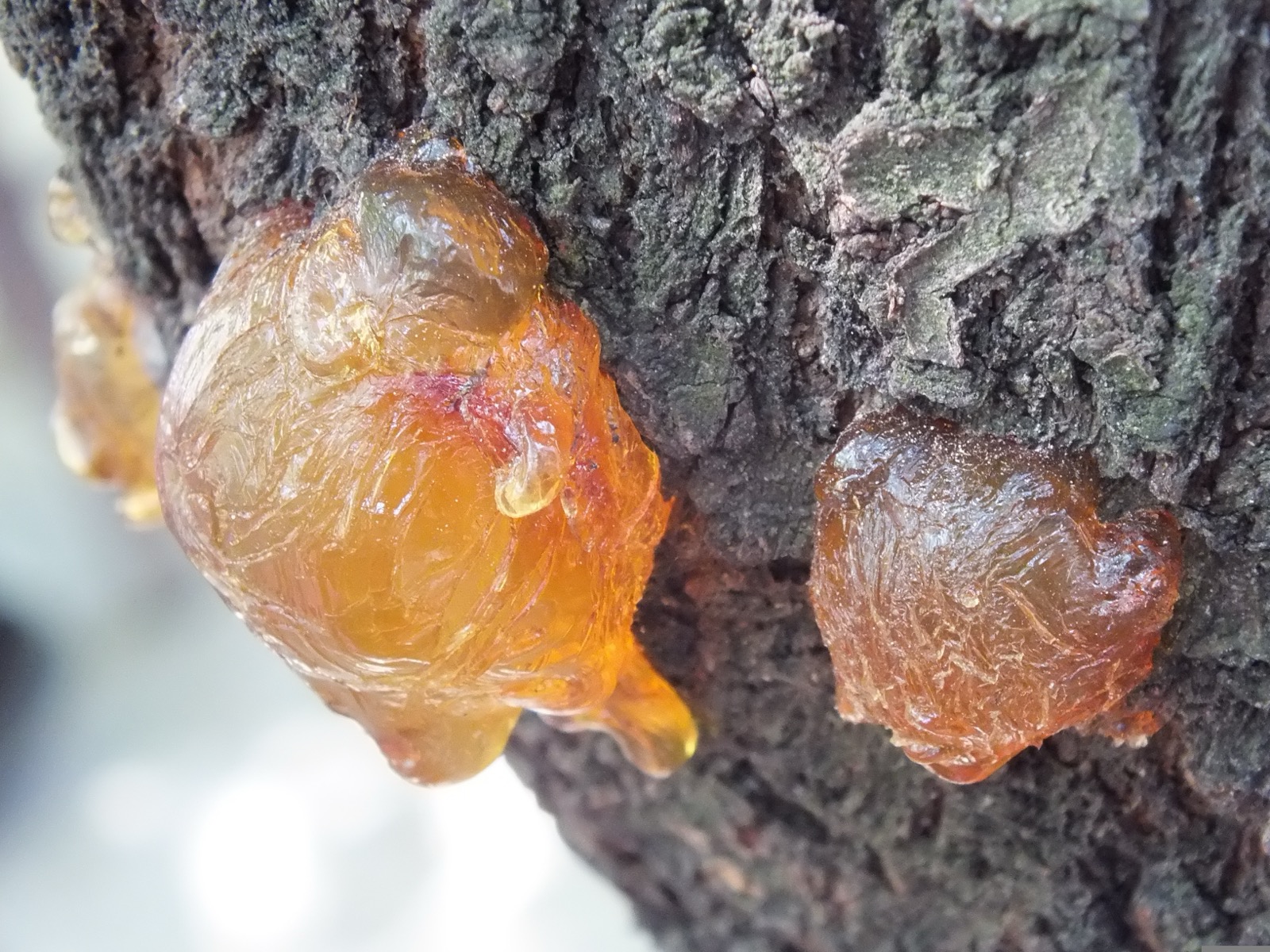
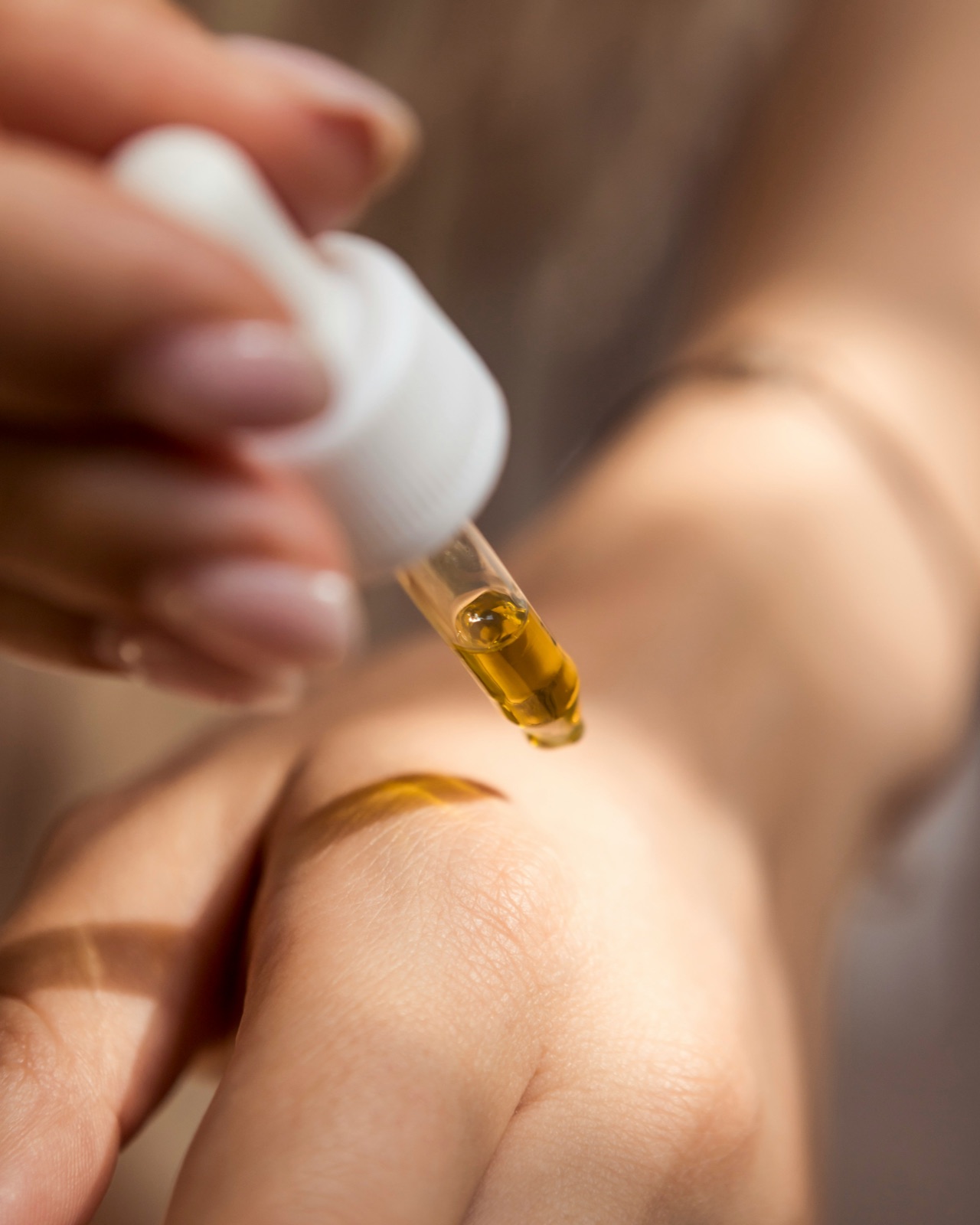
Refined hydroglycolic extracts of Prunus mume fruit concentrate polyphenols and natural organic acids for gentle skin conditioning.
What Is Ume Plum Extract? The Botany of Prunus Mume
Botanically classified as Prunus mume, the tree belongs to the Rosaceae family and is closely related to apricots and peaches rather than European plums (Prunus domestica)[1].
1. Cultural Sourcing: Kishu Nanko-Ume
While ume trees blossom across Japan in late winter, the global benchmark for ume cultivation is the Kishu region in Wakayama Prefecture. Cultivated along temperate coastal mountain slopes, Kishu Nanko-ume is distinguished by its velvety, thin skin, thick succulent flesh, and high organic acid concentration.
2. Cosmetic Extraction vs. Culinary Pickling
Unlike culinary umeboshi, which undergoes heavy salt curing and sun-drying, cosmetic laboratories harvest fresh green or ripening ume fruits. The whole fruit is processed through specialized low-temperature extraction using water and plant-derived glycols. This yields a purified, salt-free botanical extract packed with water-soluble polyphenols and organic acids while filtering out raw irritants.
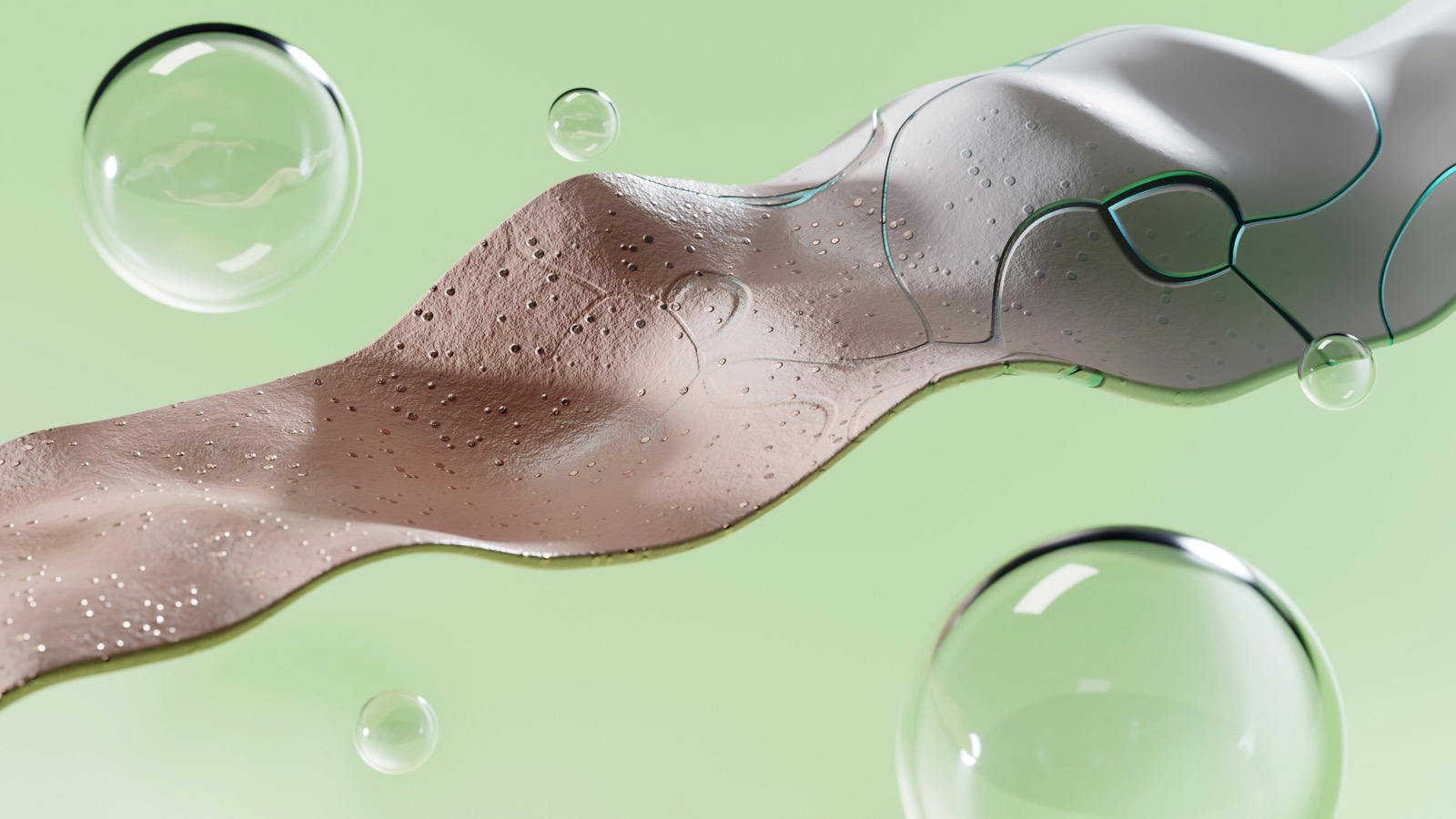
Cosmetic bio-laboratories evaluate Prunus mume fractions for their capacity to counteract environmental skin dullness.
Key Phytochemicals: Organic Acids, Flavonoids, and Anti-Glycation
The cosmetic performance of ume extract is driven by three distinct phytochemical groups:
1. Natural Organic Fruit Acids (Citric and Malic Acid)
Ume is renowned for containing some of the highest natural concentrations of citric acid and malic acid in the plant kingdom:
- Gentle Keratolytic Conditioning: These organic fruit acids function as mild alpha-hydroxy acids (AHAs), weakening the ionic bonds between dead stratum corneum cells.
- Clarifying Dullness: By encouraging the shedding of accumulated surface flakes, ume extract smooths rough micro-texture and enhances light reflection, brightening the look of tired, lacklustre skin without the abrasive sting of synthetic peel acids.
2. Flavonoids and Polyphenolic Antioxidants
Ume fruit contains notable levels of chlorogenic acid, rutin, and epicatechin. In laboratory tests these polyphenols show antioxidant activity. This does not mean a lotion containing them protects skin from pollution or UV; daily sunscreen remains the main protection.
3. Glycation: A Research Topic, Not a Cosmetic Claim
Glycation is a research topic in skin science. It is the process—in which sugars bond with proteins such as collagen to form Advanced Glycation End-products (AGEs)[2].
- Over time, glycation causes dermal stiffening and imparts a characteristic sallow, yellowish discoloration (kigusumi) to mature skin.
- Some laboratory studies examine plant polyphenols in this context, but these are not evidence that a skincare product changes glycation in the skin. Brands that mention it are describing research interest, not a proven cosmetic effect.
Comparing Japanese Botanical Fruit Extracts
Japanese formulators often combine or balance ume with other regional fruit extracts. Here is how they compare in topical application:
Scroll horizontally to see more
| Botanical Extract | Key Bioactive Marker | Primary Skin Function | Skin Feel & Texture | Ideal Skin Profile |
|---|---|---|---|---|
| Ume Plum (Prunus mume) | Citric acid, chlorogenic acid, flavonoids | Conditions the skin surface; softens the look of roughness | Lightweight, crisp, fast-absorbing fluid | Dull, mature, fatigued, and uneven skin tones |
| Yuzu (Citrus junos) | Yuzu ceramides, vitamin C, hesperidin | Moisture barrier support, tone brightening | Zesty, cushioning, slightly rich emollient | Dry, rough, and easily dehydrated skin |
| Peach Leaf (Prunus persica) | Tannins, amygdalin, flavonoids | Soothes heat, anti-roughness, calms friction | Water-light, soothing, highly gentle liquid | Sensitive, reactive skin and baby care |
| Cherry Blossom (Sakura) | Caffeoyl glucose, quercetin glycosides | Supports elasticity, soothes surface irritation | Delicate, dewy, softening hydrating veil | Normal to sensitive skin seeking youthful glow |