title: Yomogi Mugwort in Japanese Skincare: Soothing Herb Science description: Explore yomogi (Japanese mugwort) in skincare. Learn how Artemisia princeps flavonoids condition sensitized barriers and calm the look of surface redness. meta_description: Explore yomogi (Japanese mugwort) in skincare. Learn how Artemisia princeps flavonoids condition sensitized barriers and calm the look of surface redness. published_at: "2026-11-17" updated_at: "2026-11-17" fact_checked_at: "2026-11-17" author: "Miho Tanaka" category: "ingredients" slug: "yomogi-mugwort-japanese-skincare" thumbnail: "/images/stock/artemisia-centella-herbal-ingredients.webp" thumbnail_alt: "Fresh herbal Artemisia mugwort sprigs and calming botanical ingredients" affiliate: false ja_equivalent: null publish: true
Yomogi Mugwort in Japanese Skincare: Soothing Herb Science
Among traditional Japanese herbs (wakan), few plants possess as enduring a heritage as yomogi (Artemisia princeps), commonly known as Japanese mugwort. Recognized by its serrated silver-backed leaves and refreshing herbal aroma, yomogi has served as a staple in Japanese culinary dishes, folk medicine, and hot-spring bathing rituals for generations.
In modern cosmetic chemistry, yomogi extract has emerged as a cornerstone botanical for conditioning fragile, easily unsettled skin barriers. Packed with natural flavonoids, tannins, and soothing aromatic terpenes, it provides gentle astringency and moisture replenishment without relying on synthetic additives.
Understanding how yomogi functions on a molecular level clarifies why Japanese formulators frequently select this resilient wild herb to calm the look of environmental redness and restore skin comfort.
Yomogi (*Artemisia princeps*) is a native Japanese herb rich in antioxidant flavonoids (such as eupatilin), soothing terpenes (cineole), and natural tannins. In skincare lotions and balms, it conditions rough epidermal texture, buffers against moisture loss, and calms the appearance of surface redness caused by dry air or external irritants. It offers lightweight, non-greasy astringency well suited for sensitive, combination, and blemish-prone complexions.
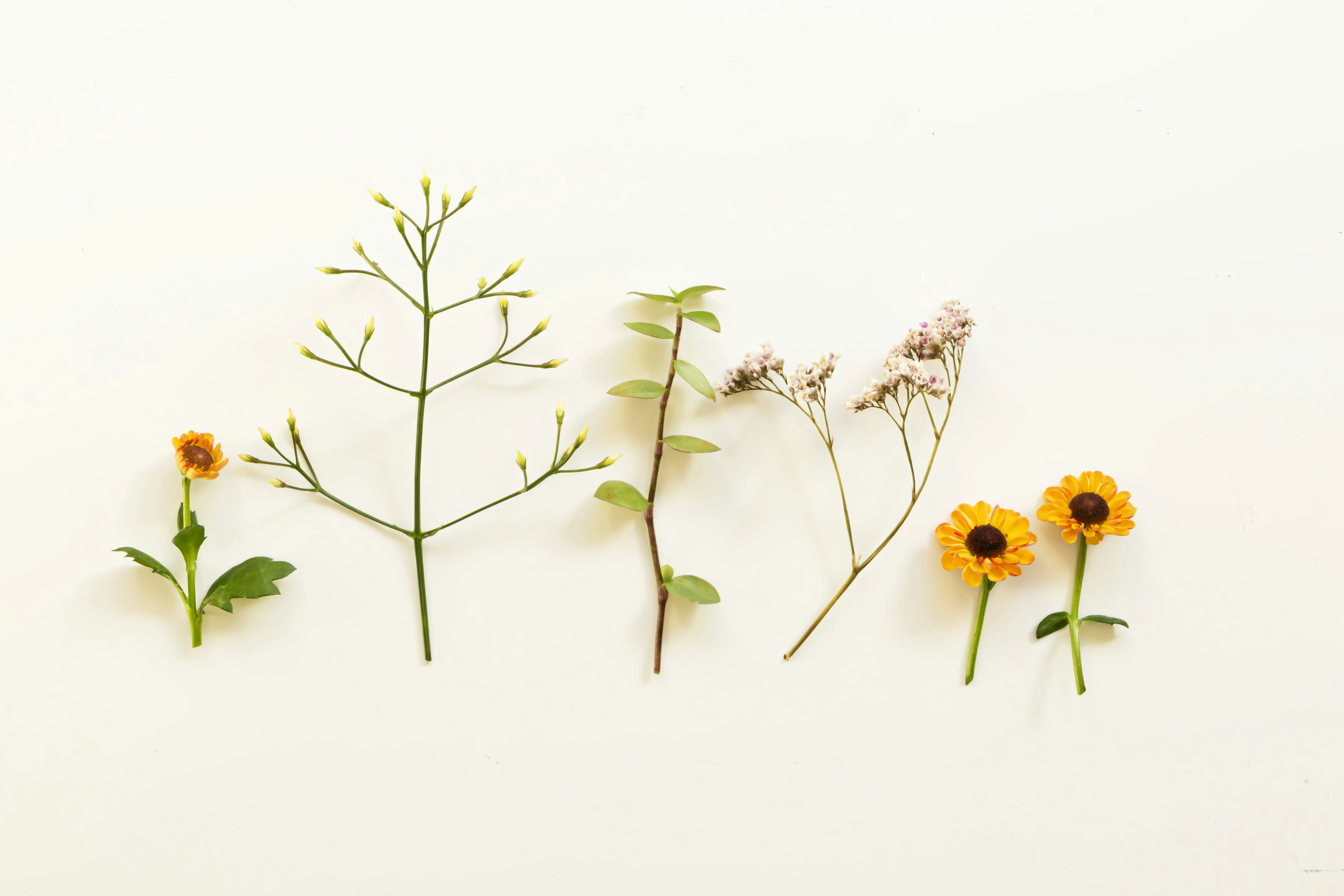
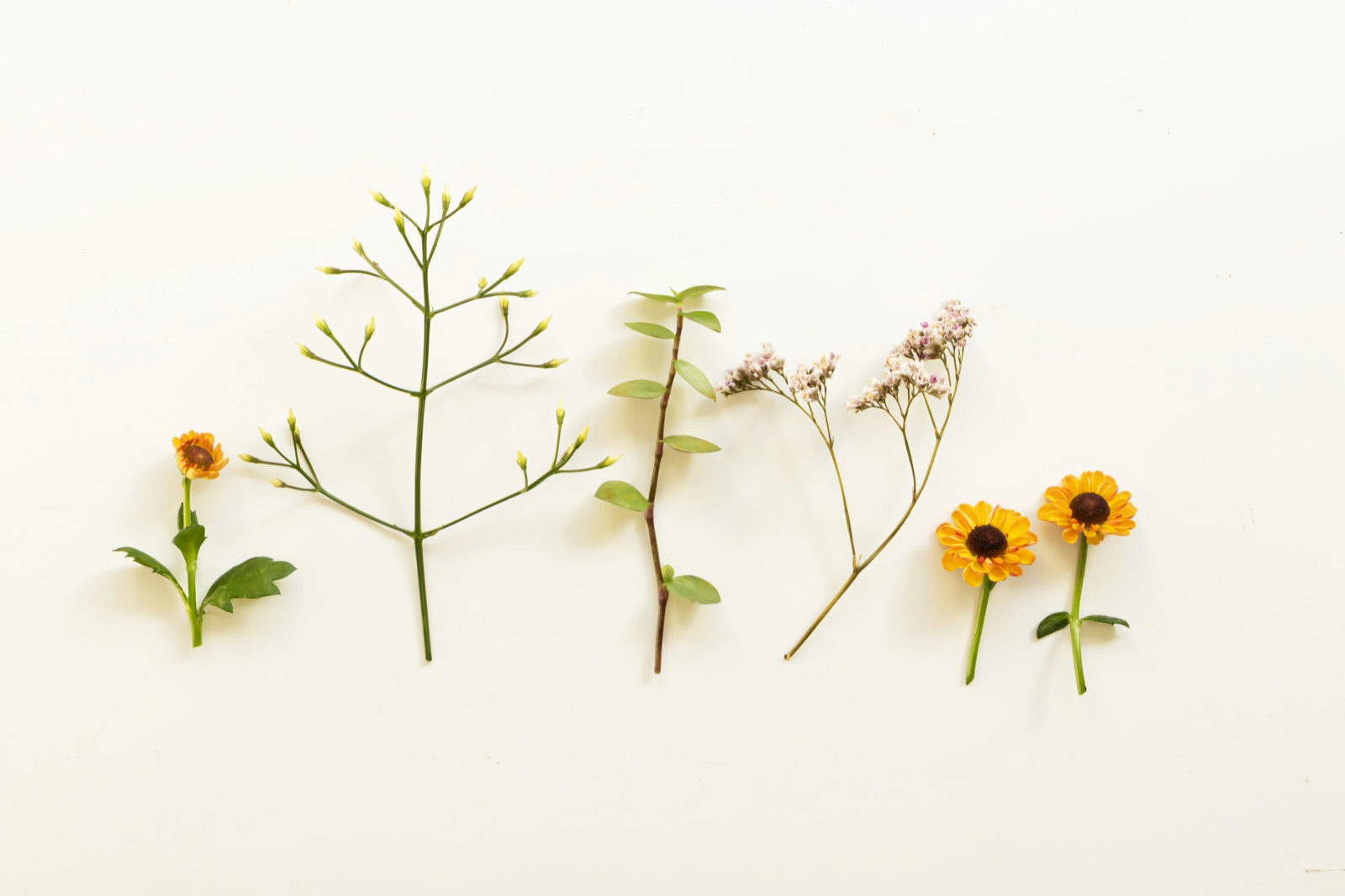
Artemisia princeps leaves are distilled into potent soothing extracts widely formulated across Japanese skincare.
What Is Yomogi? The Botanical Heritage of Japanese Mugwort
Yomogi is a perennial botanical belonging to the Asteraceae (daisy) family, native to temperate regions across Japan, Korea, and eastern China[1].
1. Traditional Folk Heritage (Yomogi-Yu)
For centuries across rural Japan, fresh yomogi leaves were gathered in late spring, bundle-tied, and steeped in steaming bathwater (yomogi-yu). Families valued these herbal baths for soothing dry, chapped limbs during seasonal transitions. Yomogi leaves were also dried and processed into moxa for traditional acupressure warming practices and brewed into comforting infusions.
2. A Resilient Mountain Wildcraft
Unlike delicate greenhouse plants, yomogi thrives in rough volcanic soils along riverbanks and mountain roadsides. This vigorous biological resilience is driven by the plant's dense production of secondary metabolites—protective compounds synthesized to defend its foliage against intense sunlight, insect foraging, and fungal spore colonization.
Natural moisture droplets on wild botanical leaves mirror the protective surface-coating properties of yomogi.
Phytochemical Profile: Why Yomogi Conditions Sensitive Skin
When modern Japanese cosmetic laboratories extract yomogi leaves using controlled hydroglycolic or water-distillation processes, they isolate a concentrated complex of bioactive phytonutrients[2]:
1. Flavonoids (Eupatilin and Jaceosidin)
Yomogi contains notable concentrations of flavones, primarily eupatilin and jaceosidin. In topical cosmetics, these polyphenolic compounds exhibit strong antioxidant activity, neutralizing ambient free radicals generated by airborne particulate matter and ultraviolet radiation. They help stabilize delicate stratum corneum surfaces, reducing the visible signs of micro-stress.
2. Terpenes and Cineole (Aromatic Essential Oils)
The crisp, herbal scent of yomogi originates from volatile terpenes, most notably 1,8-cineole (eucalyptol), borneol, and camphor. These micro-molecules deliver a mild, refreshing cooling sensation upon application, relieving feelings of heat and facial flushing without the harsh bite of synthetic menthol.
3. Condensed Tannins and Chlorogenic Acid
Tannins function as natural plant astringents. When applied to oily or combination complexions, they gently tighten the look of enlarged pores and help balance excess sebum secretion, creating a smooth, velvety canvas.
Yomogi vs. Other Calming Botanicals
Japanese cosmetic chemists often contrast yomogi with other prominent Asian botanicals. Here is how they compare in daily formulation:
Scroll horizontally to see more
| Botanical | Key Bioactive Compounds | Primary Skin Function | Skin Feel & Finish | Ideal Complexion Match |
|---|---|---|---|---|
| Yomogi (Mugwort) | Eupatilin, cineole, tannins | Conditions redness, gentle astringency, sebum balance | Lightweight, crisp, non-sticky herbal finish | Sensitized, combination, and blemish-prone skin |
| Dokudami (Houttuynia) | Quercitrin, hyperoside | Clarifies congested pores, surface smoothing | Watery, refreshing, clarifying liquid texture | Oily, breakout-prone, and humid-climate skin |
| Centella (Cica) | Madecassoside, asiatic acid | Intensive moisture barrier support | Milky, cushioning, slightly rich emollient | Dry, compromised, or peeling skin barriers |
| Green Tea (Camellia) | EGCG, polyphenols | High-potency antioxidant, tone balancing | Fluid, clean, fast-drying water base | Normal, mature, and sun-exposed skin |