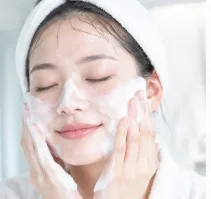
title: How to Achieve a Non-Sticky Finish with Japanese Skincare: Pro Tips description: Love Japanese hydration but dislike sticky residue? Master non-sticky skincare finishes with pro palm pressing techniques, layer timing, and vehicle matching. published_at: "2026-11-15" updated_at: "2026-11-15" fact_checked_at: "2026-11-15" author: "Miho Tanaka" category: "routines" thumbnail: "/images/stock/japanese-face-exercises-facial-yoga-resting-hands.jpg" thumbnail_alt: "Woman gently pressing palms to her face in warm natural light demonstrating mindful skincare absorption"
How to Achieve a Non-Sticky Finish with Japanese Skincare: Pro Tips
Quick answer: Love Japanese hydration but dislike sticky residue? Master non-sticky skincare finishes with pro palm pressing techniques, layer timing, and vehicle matching.
One of the greatest achievements of Japanese skincare (J-Beauty) is mochi-hada—skin that feels plump, bouncy, and hydrated from within, reminiscent of freshly pounded rice cake. Yet, for many beauty lovers adopting Japanese multi-layer routines, an unwanted byproduct can occur: a tacky, heavy, or sticky film (betatsuku) that clings to pillowcases, traps stray hair strands, or causes morning sunscreen and makeup to pill.
In authentic Japanese formulation science, excessive stickiness is not considered a badge of hydration; rather, it indicates an imbalance in product dosage, application technique, or layering intervals. Japanese aesthetic masters and formulators have refined subtle physical application rituals to ensure that even the richest lotions and emulsions sink deeply into the stratum corneum, leaving the surface velvety, smooth, and touch-dry. This guide reveals professional Japanese techniques to achieve profound hydration without a hint of stickiness.
"Shittori" vs. "Betatsuku": Understanding the Difference
To fix stickiness, one must understand how Japanese dermatological beauty distinguishes desirable moisture from formulation excess:
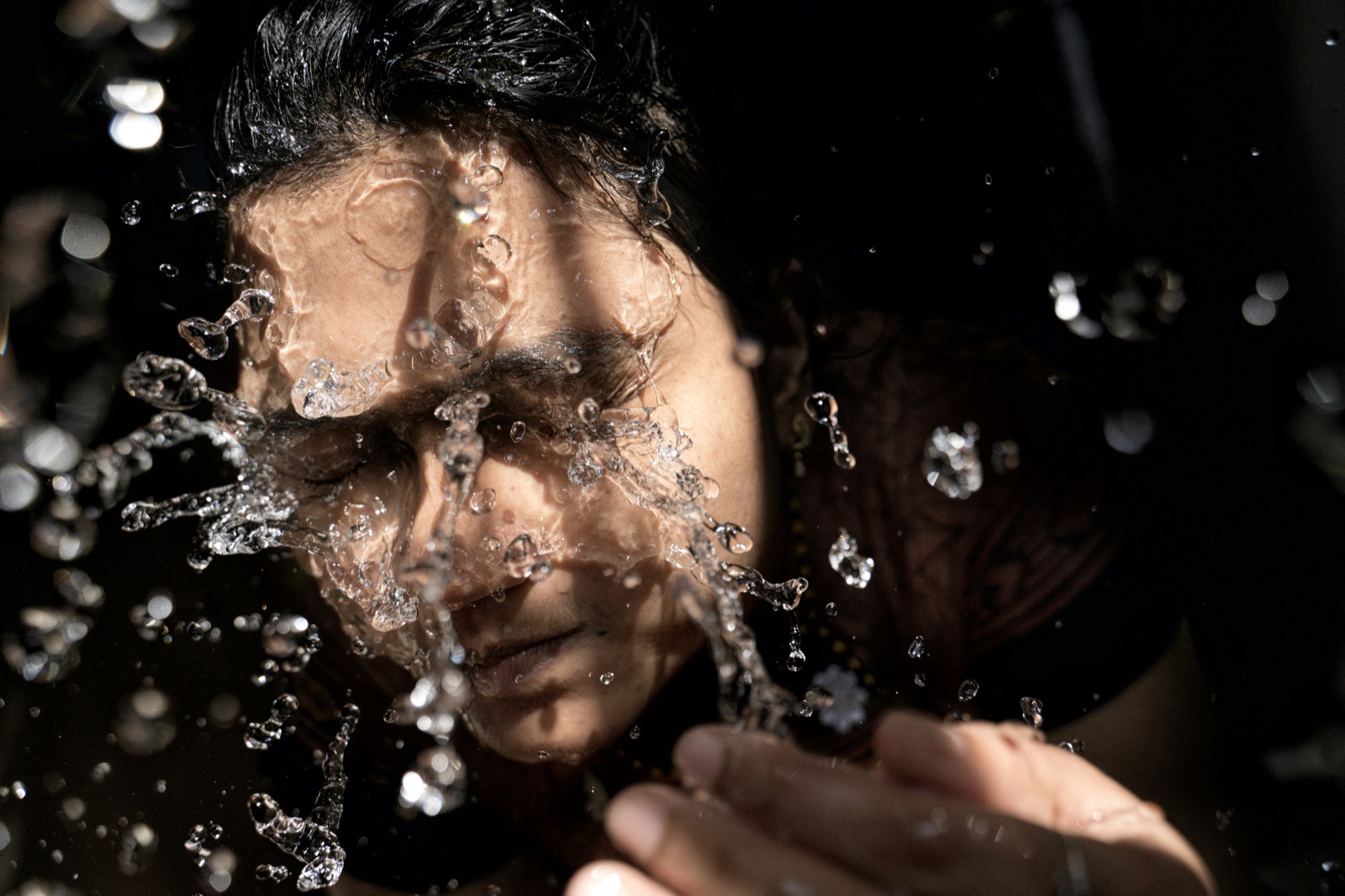
- Shittori (Supple & Moist): The skin feels thoroughly quenched, cool to the touch, and resilient when gently pressed. The surface is soft and silky, with zero residue transferring to fingertips.
- Betatsuku (Sticky & Clingy): High-molecular humectants or un-emulsified plant oils remain pooled on the surface. When you touch your cheek, fingertips feel tacky resistance, and hair sticks to your face.
Leading Japanese cosmetics researchers at corporations such as Kao Corporation, Shiseido, and KOSÉ Corporation engineer micro-emulsions and shear-thinning polymers designed to break down upon application. If a product feels excessively sticky, the issue is almost always how it is being applied.
5 Professional Japanese Techniques for a Non-Sticky Finish
Mastering these five fundamental physical habits transforms how products absorb:
Scroll horizontally to view full table
| Technique | Common Mistake | Correct Japanese Method | Why It Eliminates Stickiness |
|---|---|---|---|
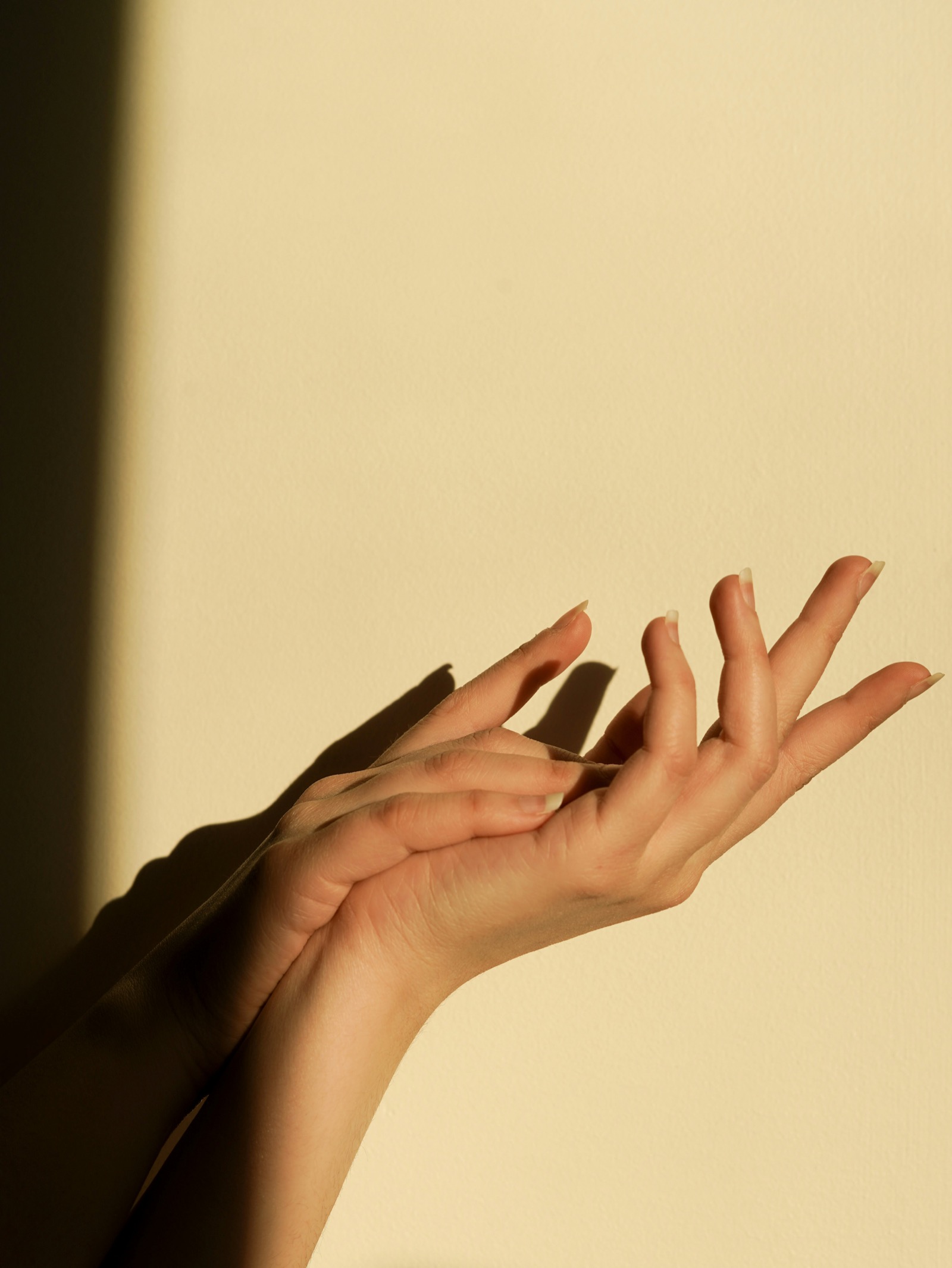
| 1. Palm Warming & Pressing | Vigorous rubbing or slapping fingers across the face. | Warm product between cupped palms, then press flat palms gently (*osae-komi*). | Body warmth lowers viscosity, allowing humectants to penetrate intercellular lipids smoothly. |
| 2. The 60-Second Reset | Piling emulsion immediately over wet, pooling lotion. | Wait 45 to 60 seconds until lotion is absorbed before applying the next layer. | Prevents water-based polymers and lipid emulsions from clumping into a sticky surface film. |
| 3. Zone-Targeted Dosing | Applying the same heavy amount evenly across the entire face. | Apply richest amounts to the dry U-zone (cheeks/jawline); use remaining film on T-zone. | Prevents excess sebum glands on the forehead and nose from becoming overloaded. |
| 4. Two Thin Coats vs. One Heavy Pour | Pouring a massive palmful of rich lotion all at once. | Dispense a dime-sized amount, press in, then layer a second tiny coat if needed. | Thinner aqueous films penetrate instantly without forming surface syrup. |
| 5. The Back-of-Hand Test | Checking absorption with oily or product-coated fingertips. | Lightly touch the clean back of your knuckle to your cheekbone. | Accurately gauges when skin has reached the velvety *shittori* stage. |