Japanese beauty counters feature an impressive array of base products, from lavender-tinted UV gels to pore-blurring makeup primers (kesho shitajiki). For many consumers, the boundary between a "tone-up sunscreen" and a traditional "makeup primer" can appear confusing. Both products claim to smooth complexion, enhance radiance, and prepare skin for foundation. However, their underlying cosmetic formulas, primary objectives, and required application amounts differ substantially.
Quick answer:
What is the difference between tone-up Japanese sunscreen and makeup primer?
Tone-up Japanese sunscreen is primarily a high-level sun protector (SPF 50+ PA++++) infused with optical micro-pearls and sheer color-correcting tints to brighten sallow undertones. Makeup primer (*kesho shitajiki*) focuses on smoothing epidermal texture, blurring pores, and extending foundation longevity through sebum-adsorbing polymers. While a tone-up sunscreen can serve as a minimalist daily base, wearing full makeup benefits from layering: apply the sunscreen generously first, allow it to set for two minutes, and then dab primer onto oily or textured zones.
The Science of Tone-Up Sunscreens: Optical Filters vs Pigment

Japanese tone-up sunscreens are engineered to create a translucent, radiant skin finish without the heavy mask-like opacity of traditional foundation. Rather than utilizing high concentrations of opaque iron oxide pigments, cosmetic chemists incorporate micronized pearl powders, synthetic fluorphlogopite, and tinted mineral filters.
These translucent optical agents work through light dispersion:
- Lavender (Purple): Combines blue and pink undertones. Blue cancels out sallow yellow undertones, while pink imparts natural healthy radiance.
- Mint Green: Neutralizes diffuse facial redness, mild rosacea flush, and post-blemish marks based on complementary color theory.
- Rosy Pink: Imparts warmth and vitality to fatigued, pale, or dull complexions lacking natural circulation glow.
- Sheer Beige & Ochre: Softly evens out irregular discoloration without creating a visible boundary line at the jawline.
Crucially, tone-up sunscreens retain the rigorous UV filter lattice characteristic of Japanese sunscreens. Board-certified dermatologists advise consumers: choose a sunscreen that has an SPF of 30 or higher, is water resistant, and provides broad-spectrum (UVA and UVB rays) coverage.[1] Japanese tone-up formulas meet these protective standards while providing optical brightness.
Makeup Primer (Kesho Shitajiki) vs Tone-Up Sunscreen: Core Functions
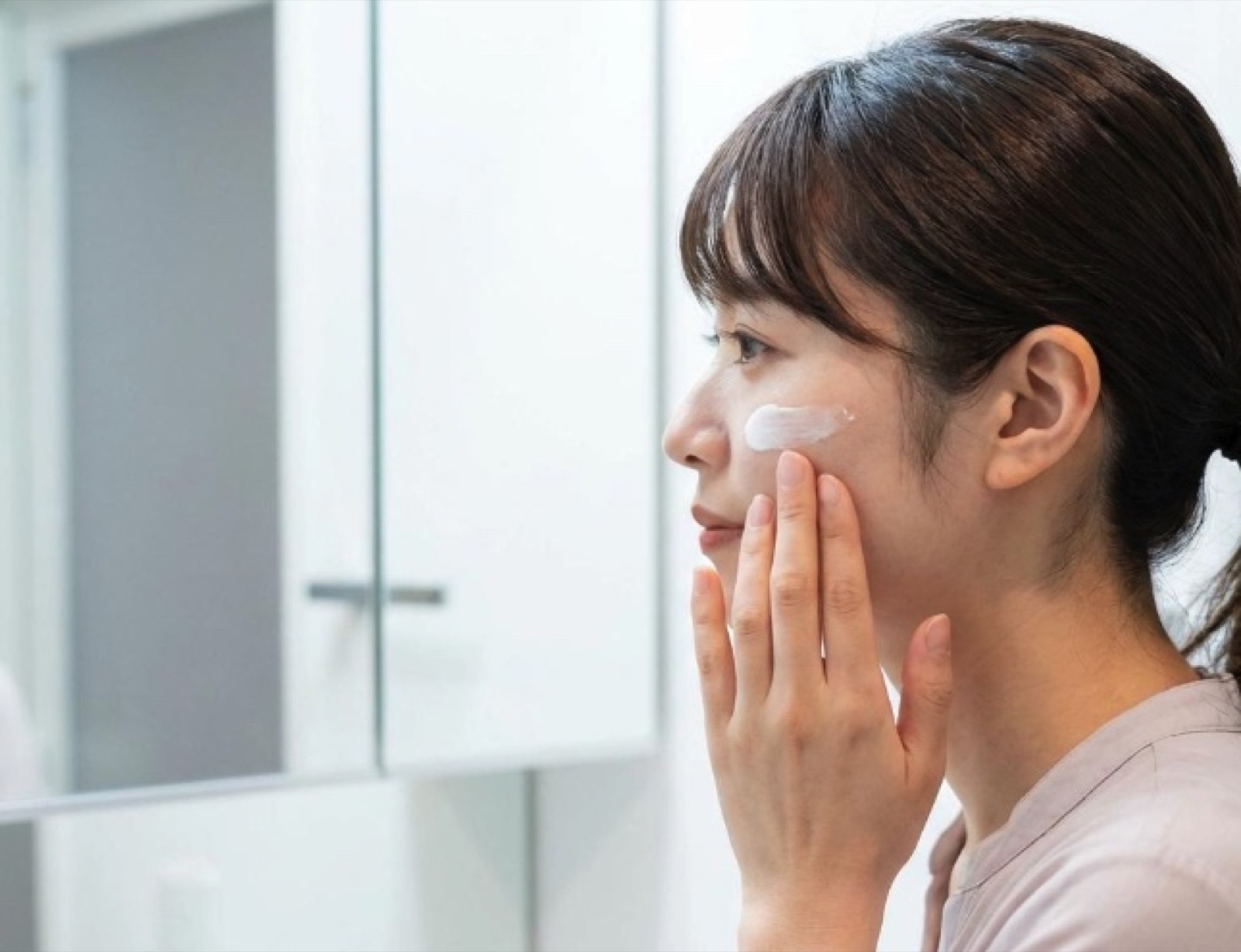
To determine whether you need one or both products, consider their fundamental roles within a beauty routine:
1. Tone-Up Sunscreen
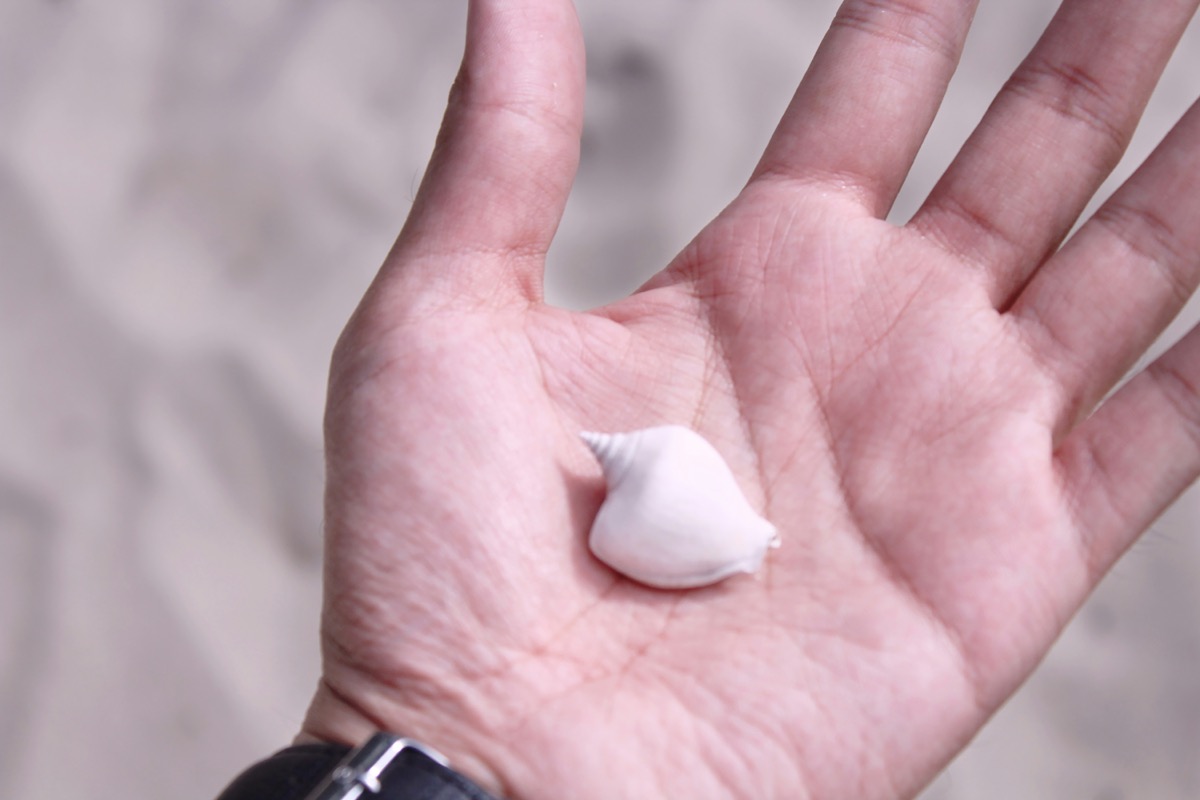
The primary purpose of a tone-up sunscreen is photoprotection across the stratum corneum. To achieve the protection labeled on the bottle, users must apply approximately 1/4 teaspoon (about 1.2 grams) to the entire face. The color correction is sheer and formulated to look natural at this full, generous dosage.
2. Makeup Primer (Kesho Shitajiki)
In Japanese cosmetic terminology, kesho shitajiki translates literally to "makeup under-sheet." Formulated with spherical silica powders, silicone elastomer blends, and oil-adsorbing polymers, primers smooth uneven skin texture, fill micro-crevices around enlarged pores, and lock foundation powders onto the skin.
While some primers include modest SPF ratings (such as SPF 20 or 25), primers are designed to be applied sparingly—typically a small pea-sized dot smoothed across the T-zone. If you were to apply a full 1/4 teaspoon of a heavy pore primer, the silicone load would pill, feel suffocating, and cause foundation to slide off. Relying solely on SPF primer leaves skin severely unprotected against ultraviolet damage.
Layering Order: How to Combine Both Without Pilling
When your daily routine calls for both high UV defense and all-day foundation wear, proper application sequencing prevents clumping and separation:
- Complete Morning Skincare: Apply your hydrating lotion (keshosui) and light moisturizer. Allow 1 to 2 minutes for skincare layers to absorb thoroughly into the stratum corneum.
- Apply Tone-Up Sunscreen Generously: Dispense the full recommended dose of tone-up sunscreen across five points on your face (cheeks, forehead, nose, and chin). Smooth outward using flat finger pads.
- Allow the Film to Set (Crucial Step): Wait 2 to 3 minutes before touching your face. Japanese sunscreens form a cohesive, flexible polymer lattice as volatile water or alcohol carriers evaporate. Disturbing this lattice too soon causes pilling.
- Apply Targeted Primer Sparingly: Dot a tiny amount of smoothing primer only where needed—such as the sides of the nose, center of the forehead, or chin. Gently pat, rather than rub, to avoid disrupting the underlying sunscreen shield.
- Proceed with Foundation or Setting Powder: Smooth liquid foundation or press loose powder gently over the prepared canvas.
Scroll horizontally to view the full comparison.
| Feature | Tone-Up Japanese Sunscreen | Japanese Makeup Primer (*Shitajiki*) | Tinted BB/CC Cream |
|---|---|---|---|
| Primary Goal | Broad-spectrum UV protection | Pore smoothing & oil longevity | Medium pigment coverage & tint |
| Typical SPF / PA | SPF 50+ / PA++++ | SPF 15 to 30 / PA++ to +++ | SPF 30 to 50 / PA+++ |
| Application Amount | Generous (1/4 tsp for full face) | Minimal (pea size targeted) | Moderate (1 to 2 pumps) |
| Texture Correction | Translucent optical radiance | Micro-blurring of pores & texture | Pigment opacity covering spots |
| Recommended For | Daily outdoor wear & light makeup | Long-wear foundation routines | Quick one-step base routines |