Japanese water-resistant sunscreens are renowned worldwide for their light textures and resilience against intense humidity, swimming, and heavy perspiration. However, many users find that standard water-based cleansers fail to remove them completely, leaving behind an invisible hydrophobic film, dullness, or congested pores. Understanding how to remove water-resistant Japanese sunscreen without damaging your skin barrier requires working with skincare chemistry rather than aggressive physical scrubbing.
Quick answer:
How to remove water-resistant Japanese sunscreen thoroughly?
Water-resistant Japanese sunscreens rely on hydrophobic silicone polymers and oil-soluble UV filters that repel water. Double cleansing—massaging a cleansing oil or balm onto dry skin, emulsifying with lukewarm water, and following with a gentle foaming wash—dissolves stubborn UV shields without requiring harsh friction.

Why Japanese Water-Resistant Sunscreens Cling to Skin

Japanese sunscreen manufacturers formulate outdoor sunscreens to survive subtropical summer downpours and high humidity. Under Japan Cosmetic Industry Association (JCIA) guidelines aligned with international standards, formulas labeled "water resistant" undergo 40-minute or 80-minute water immersion tests to verify that broad-spectrum UV protection remains active.
To accomplish this water resistance, Japanese chemists blend sophisticated silicone elastomers, cyclopentasiloxane, dimethicone crosspolymers, and acrylic resins. When you spread the lotion across your face, volatile carriers evaporate, leaving behind a flexible, uniform protective lattice. This micro-mesh locks chemical absorbers or mineral particles (zinc oxide and titanium dioxide) tightly against the stratum corneum.
Because this protective lattice is intensely hydrophobic, standard tap water beads up on contact and rolls off. Water-based cleansers, gel washes, and mild micellar waters often glide over this silicone layer without dissolving it. Attempting to wash it away with standard face soaps alone frequently results in residual UV filters settling into pores overnight.
The Science of Double Cleansing for Waterproof UV Filters

The traditional Japanese method of double cleansing provides an effective chemical mechanism for removing stubborn cosmetic films: the principle of "like dissolves like."
A two-step cleansing ritual separates the removal into distinct, skin-friendly phases:
- Step 1: Oil-Based Cleanser (Cleansing Oil or Balm): Cleansing oils formulated with botanical oils, squalane, or gentle synthetic esters blend smoothly with the lipophilic polymers and oil-soluble UV filters. The oil softens and breaks apart the water-resistant film without requiring mechanical pressure. Dermatologists advise using a gentle, non-abrasive cleanser that does not contain alcohol to protect skin health.[1]
- Step 2: Water-Based Foam Cleanser: Once the oil is emulsified with a splash of water and rinsed, a gentle foaming wash removes residual surfactant droplets, perspiration salts, and airborne dust particles.
A frequent consumer misconception is that scrubbing vigorously with a single soapy washcloth works faster. However, physical abrasion is counterproductive because scrubbing irritates your skin, which can make it look worse.[2] In addition, when cleansing the face, dermatologists remind us: while washing, resist the temptation to scrub your skin, even to remove makeup.[2] Double cleansing allows gentle solvents to do the heavy lifting, preserving your moisture barrier while lifting away resilient UV protection.
Step-by-Step Removal Protocol Without Skin Barrier Damage

Executing double cleansing properly ensures complete removal while avoiding excessive moisture loss:
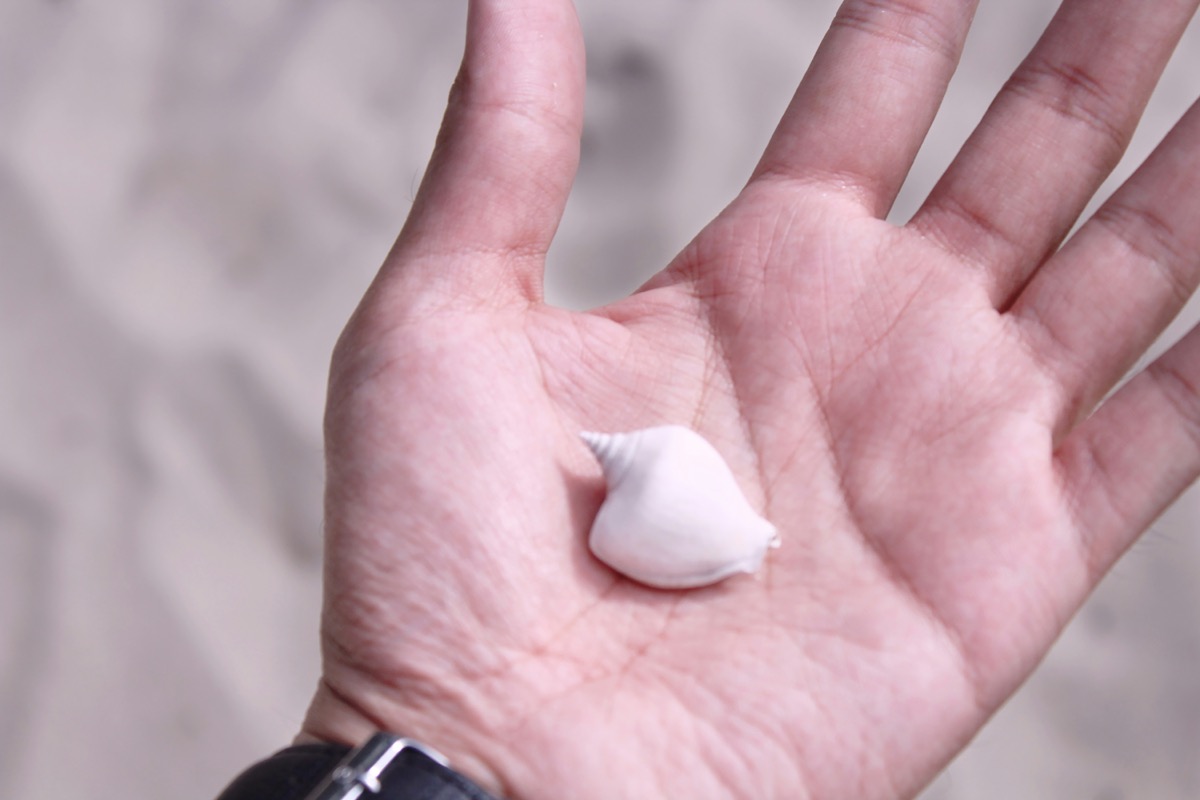
- Start with Dry Hands and Dry Face: Dispense 2 to 3 pumps of cleansing oil or a cherry-sized amount of cleansing balm onto dry palms. Applying oil to damp skin dilutes the formulation and prevents the oil molecules from adhering directly to the sunscreen film.
- Spread and Glide with Finger Pads: Smooth the oil over your face using light circular strokes. Use the soft pads of your fingertips rather than palm pressure. Spend 30 to 45 seconds loosening the sunscreen along the hairline, sides of the nose, and jawline.
- Emulsify Thoroughly: Splash a tiny splash of lukewarm water onto your face. Massage gently as the clear oil transforms into a milky white fluid. This chemical change signals that surfactants have bound to the dissolved sunscreen, making it water-soluble.
- Rinse Completely with Lukewarm Water: After washing, always rinse with lukewarm water and pat dry with a soft towel to prevent irritation.[1] Skin experts advise that individuals resist the temptation to scrub your skin because scrubbing irritates the skin.[1]
- Follow with a Dense Foam Wash: Work a foaming wash into a rich lather in your palms. Smooth the airy cushion over your skin for 20 to 30 seconds to capture remaining residue. It is recommended practice to wet your face with lukewarm water and use your fingertips to apply cleanser without friction.[1]
- Pat Dry and Moisturize: Gently pat your skin dry with a clean cotton towel. Immediately follow with a hydrating Japanese lotion (keshosui) and moisturizer to restore surface hydration. Board-certified dermatologists recommend that people limit washing to twice a day and after sweating.[1]
Scroll horizontally to view the full comparison.
| Cleansing Method | Removal Efficacy | Friction Risk | Moisture Preservation | Recommended Usage |
|---|---|---|---|---|
| Cleansing Oil | Highest | Very Low | High | Heavy outdoor sports, milk-type sunscreens, water-resistant layers |
| Cleansing Balm | Highest | Very Low | Very High | Dry or barrier-compromised skin wearing waterproof UV filters |
| Micellar Cleansing Water | Moderate | Moderate to High | Moderate | Quick daytime touch-ups or travel when water is unavailable |
| Single Foaming Soap | Low to Moderate | High | Low | Non-waterproof indoor sunscreen fluids and daily office wear |