Japanese Cleansing Milk vs Cleansing Cream Comparison
CleansingBy Seibun Lab Editorial Team
title: Japanese Cleansing Milk vs Cleansing Cream Comparison
slug: japanese-cleansing-milk-vs-cleansing-cream
category: cleansing
published_at: '2026-11-27'
updated_at: '2026-11-27'
meta_description: Compare Japanese cleansing milks and cleansing creams. Discover the formulation differences in cleansing power, moisture retention, and skin type fit.
keywords:
japanese cleansing milk vs cleansing cream
miruku kurenjingu vs kurimu
dry skin gentle makeup remover japan
j-beauty cleansing emulsion comparison
covermark cleansing milk ponds cream
author: Seibun Lab Editorial Team
Japanese Cleansing Milk vs Cleansing Cream Comparison
In the diverse ecosystem of Japanese makeup removers, powerful cleansing oils and convenient micellar waters often dominate social media headlines. Yet within Japanese pharmacies and luxury department stores, two gentle emulsion categories have quietly maintained dedicated multi-generational followings: cleansing milk (miruku kurenjingu) and cleansing cream (kurīmu kurenjingu).
Both formulas are marketed for dry, sensitive, or mature skin, but their underlying biophysical architecture is markedly different. Choosing the wrong one can lead either to leftover foundation clogging pores or to heavy residual oils that frustrate subsequent skincare steps.
Supporting natural barrier resilience and moisture retention during evening makeup removal requires matching product lipid ratios to your makeup density.[1] Here is the scientific comparison between Japanese cleansing milk and cleansing cream, how their emulsion physics function, and how to select the right match for your complexion.
Emulsion Chemistry: Water-Rich Milk vs Lipid-Dense Cream
To understand the practical differences in cleansing capability, one must examine the internal ratio of water to oil in each emulsion:
1. Cleansing Milk (Miruku Kurenjingu): The Oil-in-Water (O/W) Model
Cleansing milk is formulated with an abundant aqueous foundation:
Aqueous Phase (70% to 80%): Water, glycerin, and moisturizing glycols form the continuous outer phase.
Lipid Phase (15% to 25%): Light cosmetic esters or plant oils are dispersed as micro-droplets within the water matrix.
Surfactant System: Uses mild, non-ionic emulsifiers that release cleanly upon water contact.
Biophysical Benefit: Glides over skin with zero oily drag and rinses off rapidly without requiring aggressive rubbing.
2. Cleansing Cream (Kurīmu Kurenjingu): The Lipid-Rich Cushion Model
Cleansing cream features a substantial structural lipid phase:
Lipid Phase (40% to 60%): Formulated with cosmetic-grade mineral oils, squalane, or rich triglycerides.
Aqueous Phase (40% to 50%): Water droplets are suspended within or tightly bound to the lipid network.
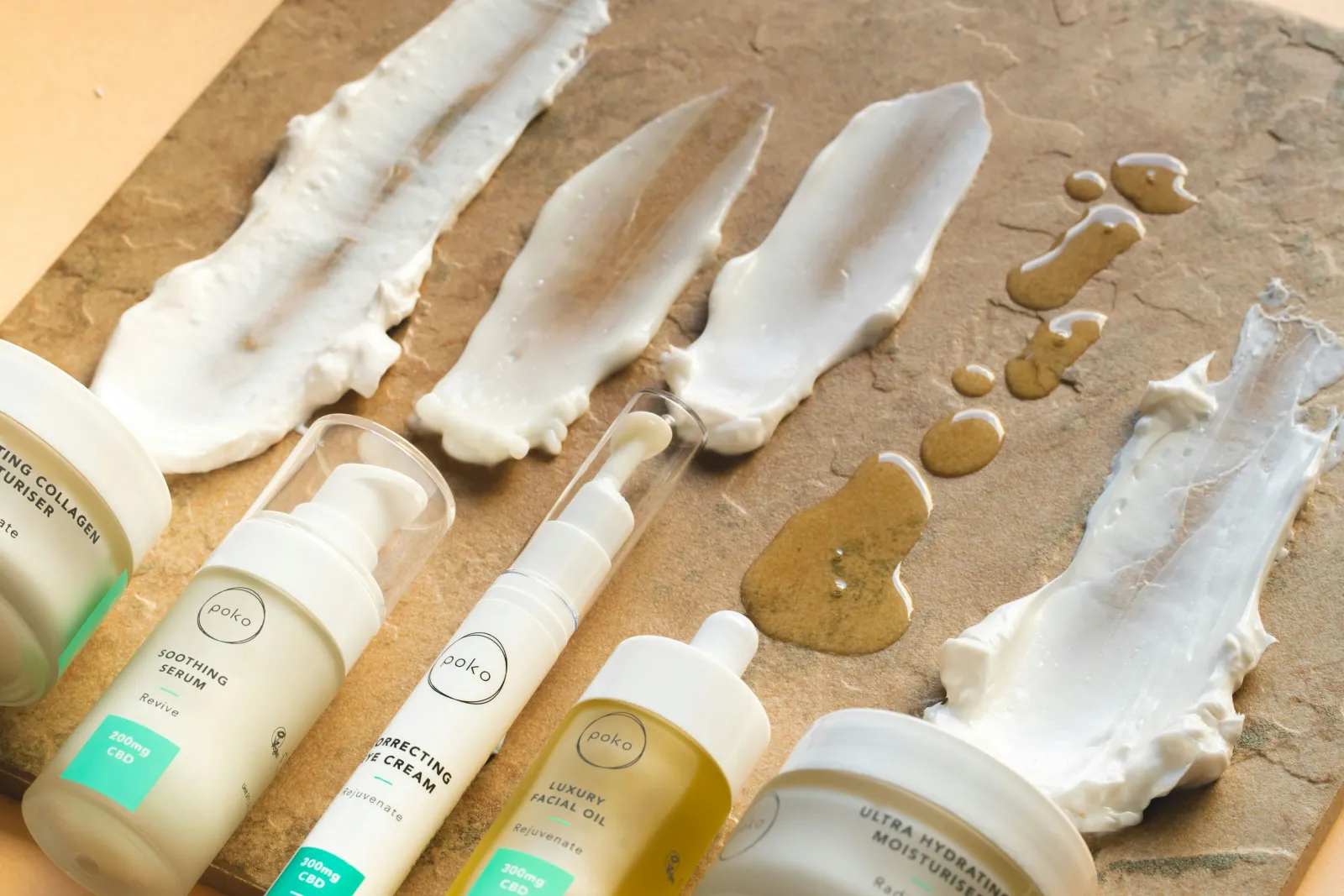
Phase Inversion (Tenso): As skin heat and circular finger motions break down the emulsion, the white cream transforms into a clear, slippery oil veil.
Biophysical Benefit: Provides an ultra-thick cushion that absorbs mechanical finger pressure, making it ideal for relaxing facial massage.
Scroll horizontally to view full comparison
Formulation Factor
Cleansing Milk (*Miruku*)
Cleansing Cream (*Kurīmu*)
Oil-to-Water Ratio
approx. 20% Oil / 80% Water
approx. 50% Oil / 50% Water
Primary Makeup Target
Light base, tinted moisturizer, mineral powder
Long-wear foundation, heavy sunscreen, stage base
Cushion Thickness
Light, fluid, cooling glide
Plump, thick, pillow-like blanket
Rinse-Off Speed
Rapid (Emulsifies instantly with water)
Moderate (Requires thorough emulsification or tissue)
Ideal Skin Profile
Sensitive, fragile barrier, easily irritated
Chronically dry, mature, moisture-depleted
Cleansing Power Breakdown: Light Coverage vs Heavy Wear
The most common frustration with gentle cleansers occurs when a product is paired with makeup beyond its solvent capacity:
When to Choose Cleansing Milk
Japanese cleansing milks (such as Covermark Cleansing Milk or Minon Amino Moist Cleansing Milk) excel in low-intensity makeup situations:
Mineral foundations designed to wash away with gentle surfactants.
Complexions recovering from clinical procedures or seasonal flaking.
Limitation: Cleansing milk struggles with stubborn waterproof mascara, liquid eyeliner, or 24-hour transfer-proof foundations. Attempting to remove heavy pigments with milk invites excessive rubbing.
When to Choose Cleansing Cream
Japanese cleansing creams (such as Kanebo Suisai, Albion Excia, or Chifure Washable Cold Cream) handle dense cosmetics with ease:
Full-coverage silicone-based foundations and concealers.
Highly adherent water-resistant sunscreens.
Evening routines where you wish to take two to three minutes for a calming facial massage.
Complexions that feel painfully tight immediately after using foaming washes.
Step-by-Step Application Rituals
Because each texture operates on distinct physical principles, your cleansing method must adapt accordingly:
The Cleansing Milk Protocol: Generous Volume and Light Touch
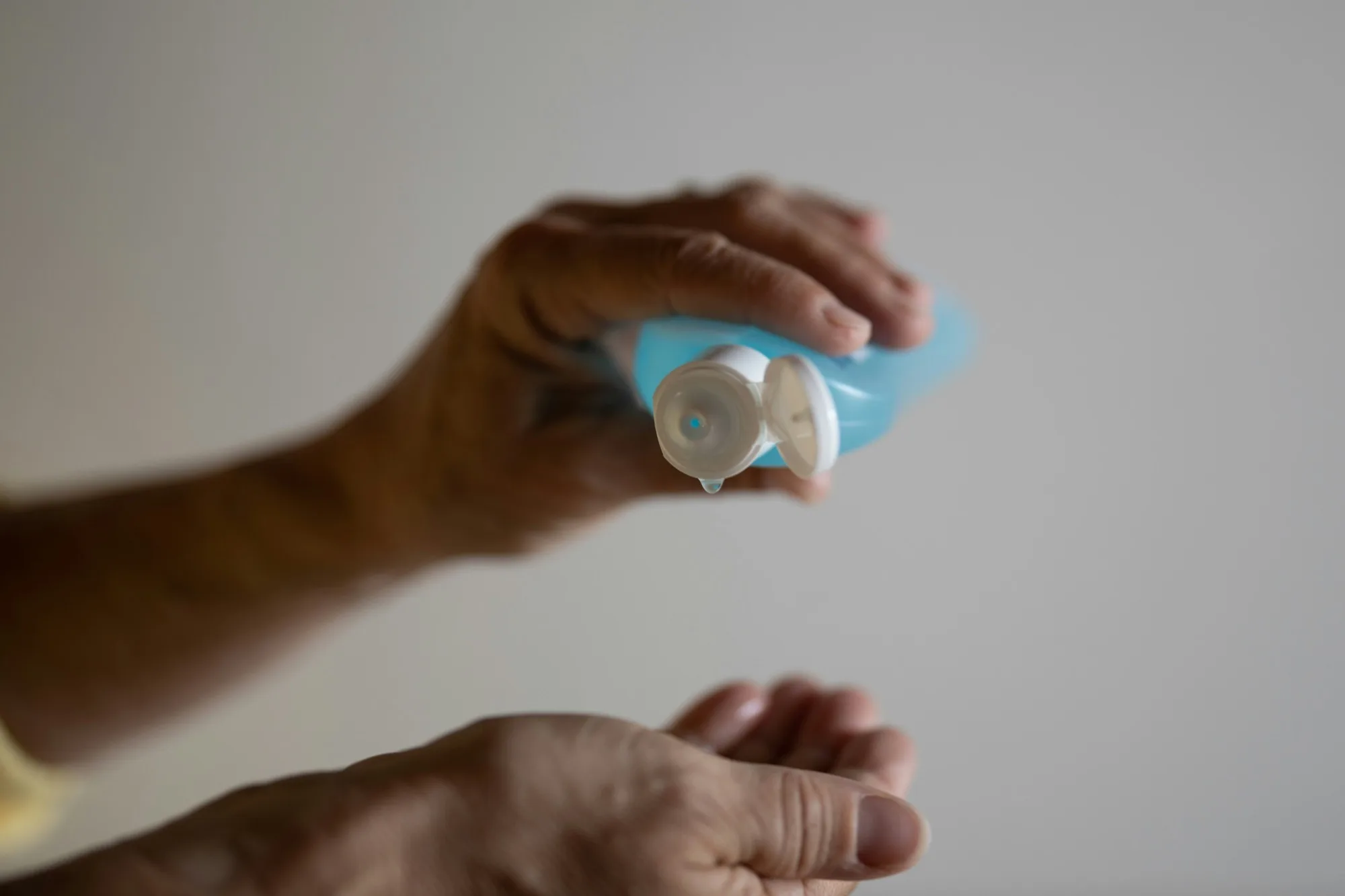
Use 3 to 4 Full Pumps: The most frequent mistake with milk is applying too little. You need a generous palm-sized pool so fingertips never make direct contact with skin.
Spread Across Dry Face: Smooth the cool milk over cheeks, forehead, and chin using broad, sweeping palm strokes.
Roll for 30 Seconds: Gently roll the lotion over the skin without pressing down. The emulsion will dissolve light surface impurities.
Rinse with Lukewarm Water: Splash 15 to 20 times with 32°C water. The water-rich formula rinses away effortlessly, leaving skin dewy and soft.
The Cleansing Cream Protocol: Temperature and Phase Breakdown
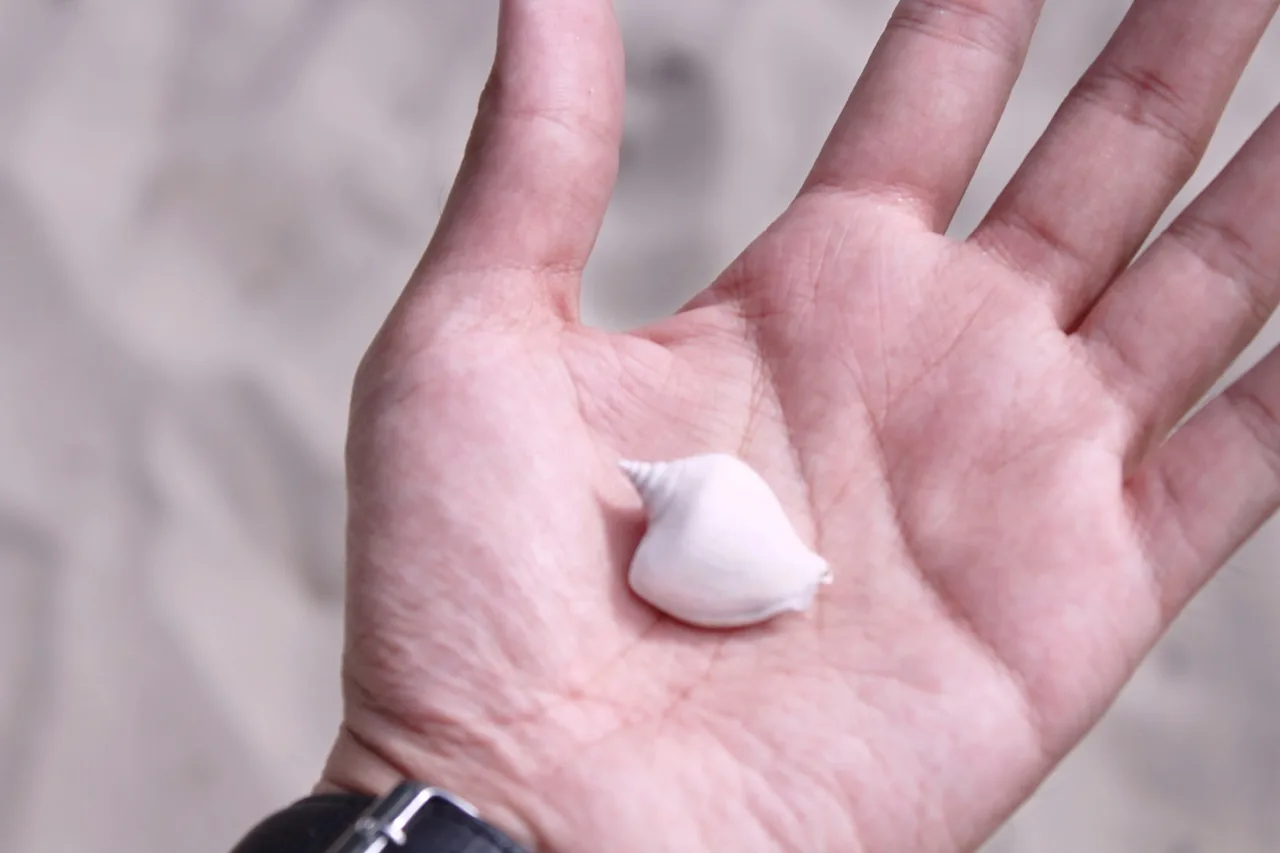
Scoop a Muscat Grape Portion: Take a generous cherry-to-grape-sized dollop onto dry palms.
Dot and Disperse: Place dots across the face and begin slow, rhythmic circular motions.
Wait for the Breakdown (Tenso): Continue massaging gently for 60 to 90 seconds. The white cream will suddenly lose resistance, turning into a translucent, highly slippery oil veil.
Remove Carefully:
If washable formula: Add small splashes of water to turn the oil milky, then rinse thoroughly.
If wipe-off formula: Press a soft tissue gently over your face to absorb the oil, lifting without rubbing, and follow with a mild foaming wash.
Signs to Stop and When to See a Doctor
While both formulas are celebrated for low irritation potential, individual sensitivities to specific emulsifying agents or botanical oils can arise.
Watch for the following symptoms:
Emerging clusters of closed comedones along the jawline or forehead (suggesting incomplete oil rinsing).
Sudden stinging, itching, or hot flushes during application.
Diffuse redness that lingers well beyond your evening routine.
Discontinue use immediately and consult a medical professional if adverse contact dermatitis or cleansing-related irritation develops.[2] If breakouts or rashes occur, pause oil-dense cleansers, revert to plain water or a basic surfactant gel, and consult a qualified dermatologist.
FAQ
Q1. Will Japanese cleansing milk leave makeup residue in my pores?
A. Cleansing milk cleanses thoroughly if matched correctly with light or mineral makeup.(Details)
Cleansing milk does not leave residue when used on everyday daytime makeup or tinted sunscreens. However, if you wear high-adhesion liquid foundation or waterproof cosmetics, milk cannot fully dissolve those dense polymers. For heavy makeup, remove eye and lip cosmetics separately first, or opt for a lipid-rich cleansing cream.
Q2. Do I need a second foaming cleanser after cleansing cream?
A. Yes, a mild second cleanser is generally advised unless the label states otherwise.(Details)
Because cleansing creams contain high percentages of cosmetic oils and emollients, following with a gentle foaming wash (double cleansing) ensures that dissolved makeup and excess surface lipids are completely swept away, preventing clogged pores in acne-prone areas.
Q3. Can oily or acne-prone skin use cleansing milk?
A. Yes, cleansing milk is exceptionally well-suited for dehydrated, acne-prone skin.(Details)
Many individuals with acne over-cleanse with strong salicylic washes, compromising their barrier and triggering rebound sebum production. Switching to a water-rich cleansing milk for morning or light-makeup evenings cleanses gently without stripping barrier lipids or feeding acne bacteria.
Q4. Why does cleansing cream require an oil phase breakdown?
A. The phase shift indicates that makeup polymers have been fully solubilized in oil.(Details)
While the product remains in its white cream state, water droplets surround the oil, isolating it from makeup pigments. As shearing friction and body heat trigger phase inversion, the oil releases, directly dissolving stubborn pigments and sebum plugs within seconds.
Q5. Which is better for sensitive winter skin: milk or cream?
A. Cleansing cream offers superior lipid replenishment, while milk provides zero-drag rinsing.(Details)
If your skin feels tight and papery in winter, cleansing cream deposits emollient lipids that cushion the barrier against cold air. However, if your skin is easily sensitized by facial massage or tissue wiping, cleansing milk is safer because it rinses away with zero mechanical friction.
Summary and Key Takeaways
Japanese cleansing milks and cleansing creams represent two distinct paths to gentle, non-stripping makeup removal:
Aqueous Gentleness (Milk): Contains 70% to 80% water; perfect for light daytime bases, sensitive skin, and fast, friction-free rinsing.
Lipid-Rich Cushion (Cream): Contains 40% to 60% oils; dissolves full-coverage makeup and provides a luxurious glide for facial massage.
Respect Volume: Always use generous amounts (3+ pumps of milk, muscat-sized dollop of cream) to prevent mechanical drag.
Daytime Photoprotection: Follow evening cleansing with hydrating care, and safeguard skin every morning with broad-spectrum daily sunscreen defense.[3]
By selecting the formulation tailored to your makeup intensity and barrier condition, you can dissolve daily cosmetics thoroughly while cultivating soft, calm, and supple skin.
Disclaimer: This article is for general information and education about Japanese cosmetics and their labels. It is not a substitute for professional medical advice, diagnosis, or treatment. Skincare results vary from person to person. Product formulas, availability, prices, and regulations change, and products sold in Japan can differ from versions sold elsewhere, so always check the current label. Do a patch test before introducing a new product, and consult a doctor or dermatologist if you have a skin condition or specific concerns.