Japanese Cold Cream Makeup Remover and Facial Massage Guide
CleansingBy Seibun Lab Editorial Team
title: Japanese Cold Cream Makeup Remover and Facial Massage Guide
slug: japanese-cold-cream-makeup-remover-massage
category: cleansing
published_at: '2026-11-27'
updated_at: '2026-11-27'
meta_description: Discover why classic Japanese cold creams are trending again. Learn the oil-phase transformation science, gentle facial massage, and tissue-off rituals.
keywords:
japanese cold cream makeup remover massage
korudo kurimu cleansing method
washable cold cream chifure ponds
facial massage cleansing cream japan
showa retro skincare revival
author: Seibun Lab Editorial Team
Japanese Cold Cream Makeup Remover and Facial Massage Guide
In an era dominated by modern micellar waters, lightweight cleansing balms, and rapid-rinse cleansing oils, an enduring classic has quietly resurfaced across Japanese beauty communities: cold cream (kōrudo kurīmu).
Originating in ancient Greco-Roman cosmetic history and refined during Japan's mid-twentieth-century Showa era, cold cream jars have anchored Japanese drugstore shelves for generations. Iconic formulations from heritage brands like Chifure, Pond's Japan, and Utena continue to sell millions of units annually. Recently, a new generation of skincare minimalists and barrier-conscious consumers has rediscovered cold cream for one compelling reason: unbeatable friction-free slip.
Supporting natural barrier resilience and moisture retention during cleansing requires shielding the skin surface from mechanical drag.[1] Here is the cosmetic chemistry behind Japanese cold cream, why it transforms from cream to oil during use, and how to master the double benefit of makeup removal and gentle facial massage.
Phase Inversion Chemistry: The White-to-Clear Transformation
International users trying Japanese cold cream for the first time often express surprise. Unlike Western cold creams that remain thick and waxy throughout application, Japanese cold creams undergo a dramatic tactile metamorphosis known as phase inversion (tenso):
1. The Initial Rich Emulsion (White Phase)
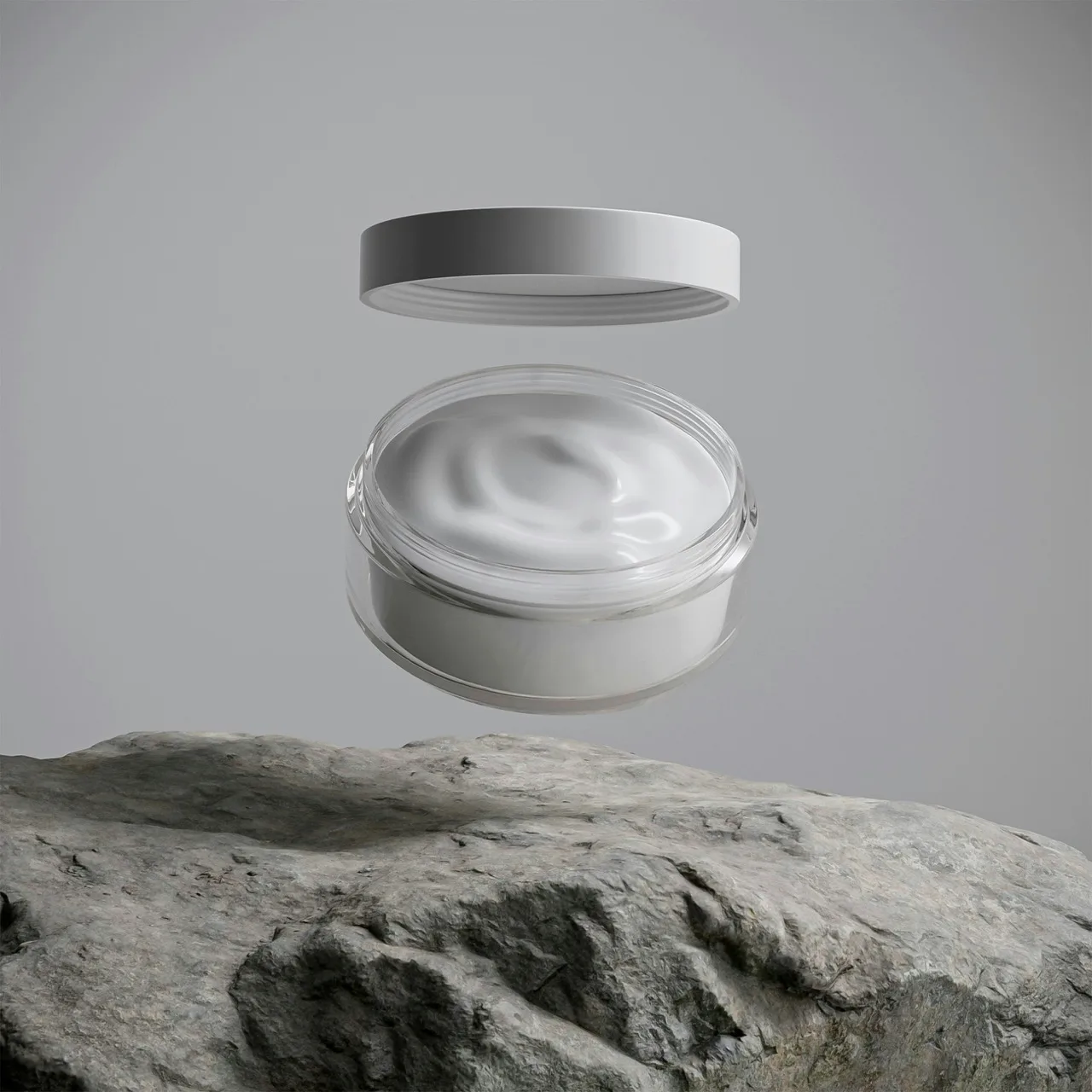
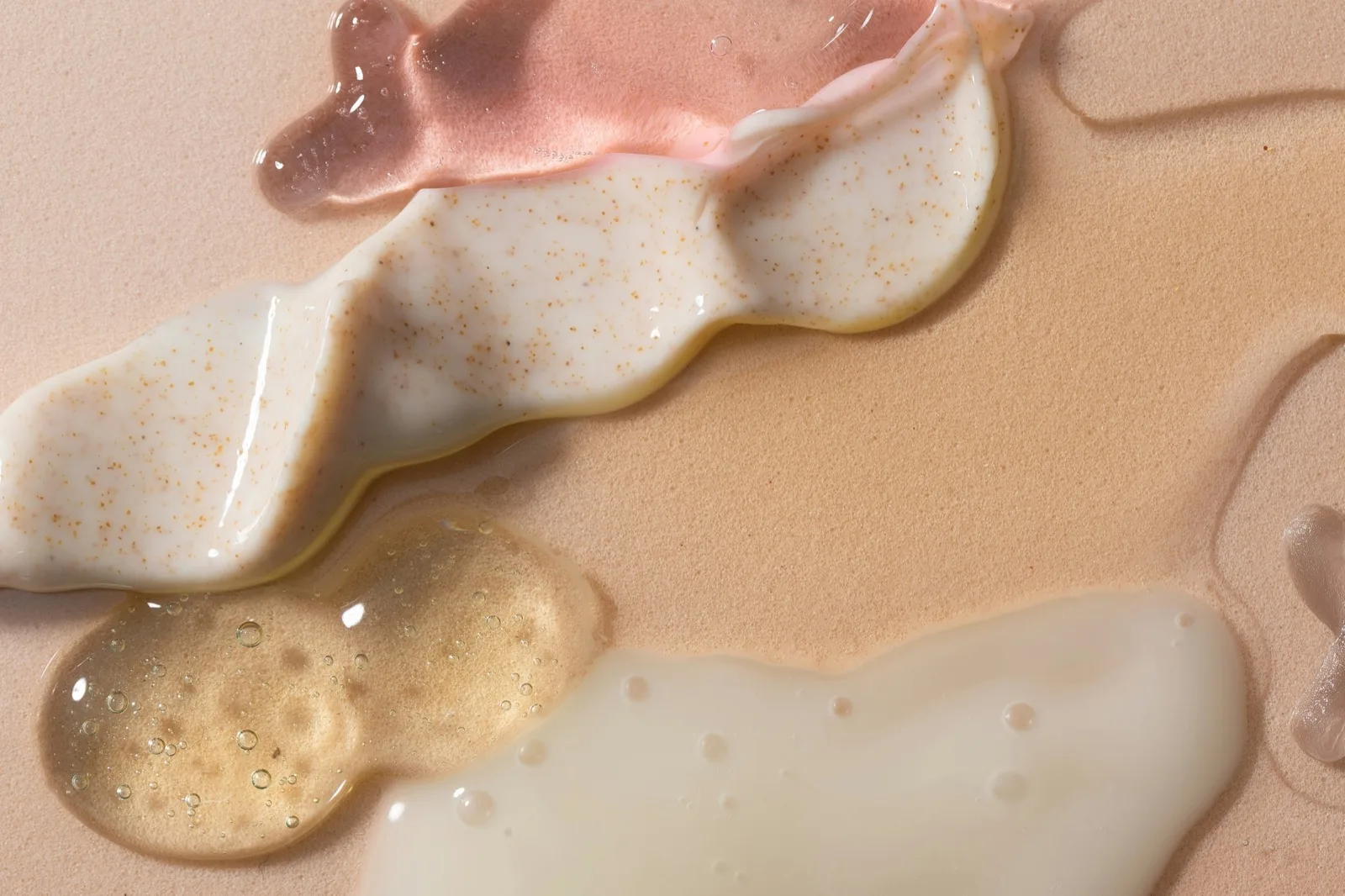
Upon opening the jar, the product presents as a dense, snowy-white cream. This is an emulsion composed of mineral oil, cosmetic esters, water, and specialized non-ionic emulsifiers. When first smoothed over dry skin, it forms a thick blanket that physically isolates facial tissue from finger friction.
2. Temperature and Shearing Action
As you glide your fingers across your face in gentle circles, two physical catalysts activate the formula:
Body Temperature: Skin warmth (32°C to 35°C) softens the lipid crystalline structure.
Shearing Pressure: Slow, continuous finger motions stretch and break the microscopic water droplets suspended within the lipid matrix.
3. The Release Point: Transition to Liquid Oil (Clear Phase)
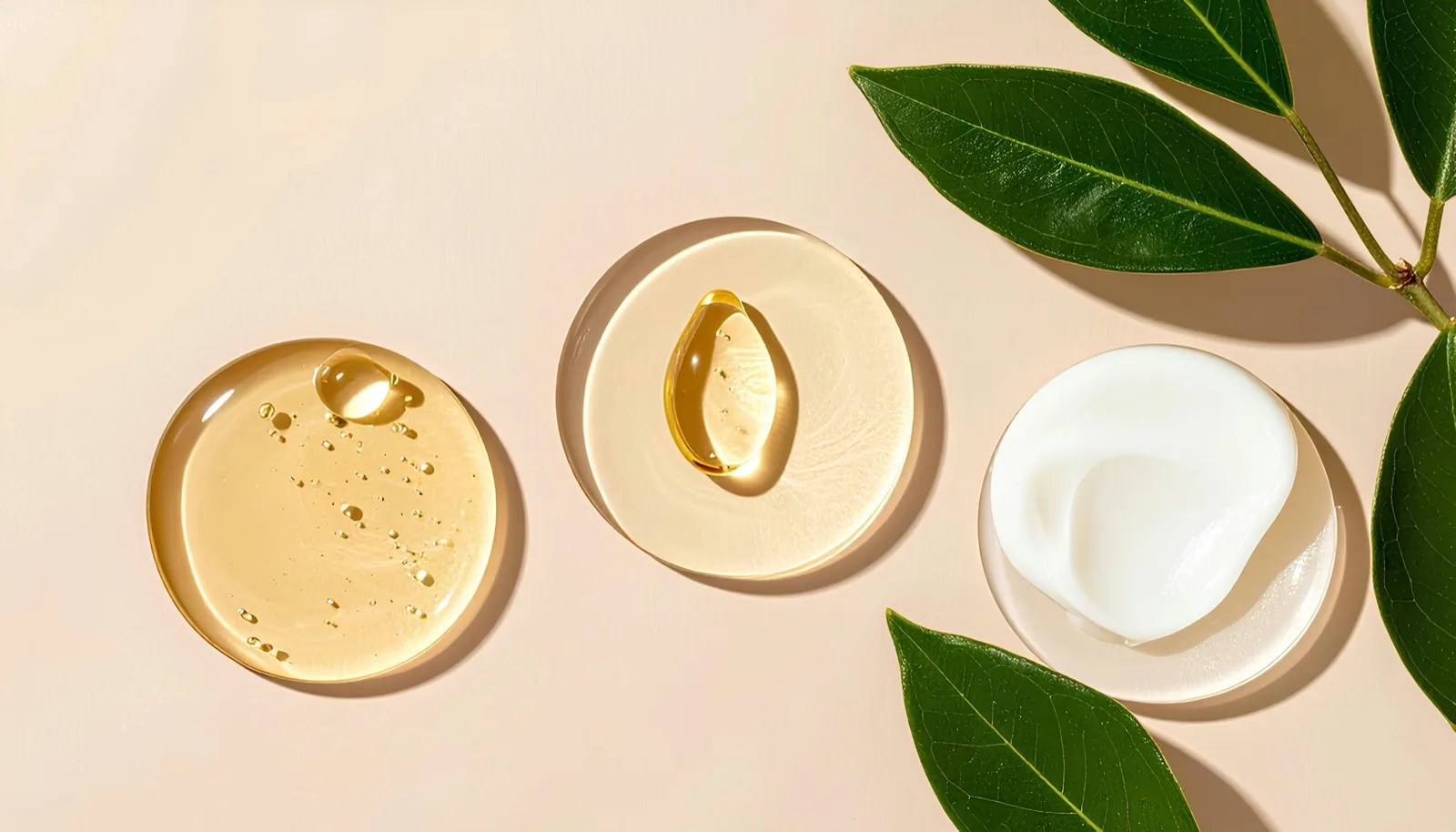
After approximately 60 to 90 seconds of gentle circular movement, the cream suddenly "breaks" (futto karuku naru). The texture shifts instantly from a heavy drag to an almost frictionless, slippery oil. Visually, the white cream turns completely translucent.
This dramatic shift marks the exact moment when the internal oil phase encapsulates waterproof makeup, stubborn sunscreen filters, and oxidized sebum trapped inside pore openings.
Scroll horizontally to view full comparison
Cleanser Category
Oil Cushion Thickness
Friction Risk
Primary Formulation Advantage
Japanese Cold Cream
Very High (Plump blanket)
Minimal (Cushions fingers completely)
Ideal for long, relaxing facial massages
Cleansing Oil
Moderate (Fluid glide)
Low to Moderate (Can drag if under-applied)
Fastest rinse-off speed; quick daily use
Cleansing Balm
High (Melts on contact)
Low (Melts quickly)
Travel-friendly solid format
Micellar Water
None (Watery fluid)
High (Cotton pad fiber friction)
No-rinse convenience for quick cleanups
The Two-in-One Ritual: Gentle Cleansing Meets Facial Massage
The primary reason Japanese dermatologists and beauty aestheticians appreciate cold cream is its unique suitability for facial massage.
Attempting to massage the face with standard foaming cleansers, thin cleansing oils, or dry skin invites significant mechanical trauma. Thin liquids absorb or spread thin, allowing fingertips to tug against delicate epidermal layers, stretching skin fibers and causing irritation.
Japanese cold cream solves this dilemma through structural cushion:
Zero-Friction Glide: The generous lipid layer prevents skin-on-skin traction. Fingers glide smoothly over facial contours without stretching the skin.
Promoting Micro-Circulation: Gentle, slow circular motions encourage local blood flow and lymphatic drainage, helping relieve facial puffiness and tension around the jawline.
Pore Softening: Prolonged contact with warm cosmetic oils softens hardened keratin plugs (kakusen), facilitating gentle decongestion without harsh nose strips or extraction tools.
Step-by-Step Japanese Cold Cream Protocol
To extract maximum benefits while maintaining pore clarity, follow the classic Japanese four-step application protocol:
1. Measure a Generous Cherry-Sized Dollop
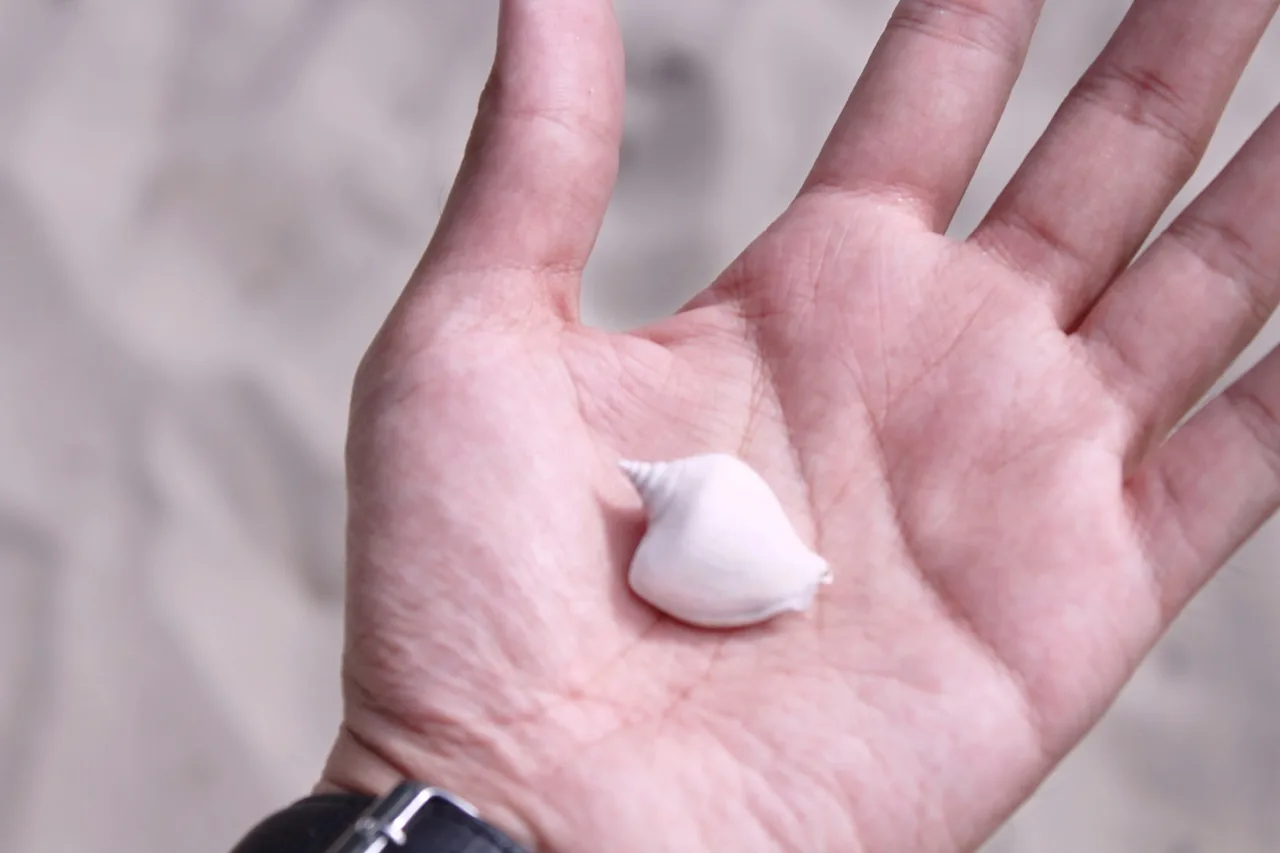
Cold cream is not an ingredient to use sparingly. Take a dollop approximately the size of a muscat grape or large cherry using clean, dry hands. If you apply too little, the cream will not generate sufficient cushion, increasing friction.
2. Dot and Disperse Across Dry Skin
Place dots of cream on five key focal points: forehead, both cheeks, nose tip, and chin. Using the pads of your middle and ring fingers (the gentlest fingers), spread the cream outward in broad, rhythmic sweeps.
3. Wait for the Oil Breakdown
Massage gently for 60 to 120 seconds. Avoid heavy downward pulling; always move upward and outward along facial muscle lines. Pay close attention to texture: the moment your fingers lose resistance and slide effortlessly across a clear fluid veil, makeup dissolution is complete.
4. Choose Your Removal Method: Washable vs Tissue-Off
Japanese cold creams fall into two distinct formulation categories:
Washable Cold Cream (Wasshaburu): Contains built-in rinse-off emulsifiers. Wet your hands with lukewarm water, massage your face for 10 seconds to turn the oil milky white (emulsification), and splash clean 15 to 20 times.
Traditional Wipe-Off Cold Cream (Fukitori): Does not rinse cleanly with plain water alone. Take a soft, folded facial tissue or a warm, damp cotton cloth, press it gently against your face to absorb the oil, and lift away without rubbing. Follow with a gentle foaming face wash (double cleansing) to remove residual surface lipids.
Signs to Stop and When to See a Doctor
While high-purity cosmetic oils are well-tolerated by dry and normal complexions, rich cold creams require mindfulness on acne-prone or reactive skin.
Observe these warning signs:
Sudden emergence of small closed comedones or inflammatory pustules along the jawline or forehead.
Stinging or localized heating sensations during the massage phase.
Persistent tightness or itching following tissue-off removal.
Discontinue use immediately and consult a medical professional if adverse contact dermatitis or cleansing irritation develops.[2] If breakouts or irritation occur, switch temporarily to an oil-free gel cleanser and simplify your routine to basic barrier hydration.
FAQ
Q1. Will Japanese cold cream clog pores or cause acne breakouts?
A. Cold cream is unlikely to clog pores if fully emulsified or followed by a gentle second cleanser.(Details)
Japanese cold creams primarily utilize cosmetic-grade mineral oil and synthetic esters, which have extensive safety records and do not oxidize into pore-clogging comedogenic squalene peroxides. However, if residue is left on acne-prone skin, it can trap dead skin cells. Always ensure thorough rinsing or perform a light double cleanse with a mild foaming wash.
Q2. What is the difference between washable cold cream and wipe-off cold cream?
A. Washable versions contain self-emulsifying surfactants, while wipe-off versions require tissue absorption.(Details)
Washable formulas (like Chifure Washable Cold Cream) emulsify into a milky rinse when water is added, washing away cleanly at the sink. Pure wipe-off cold creams (traditional formulations) repel water completely and must be absorbed into soft tissues or a damp washcloth before following with soap.
Q3. Can I use cold cream if I have eyelash extensions?
A. No, cold cream contains high concentrations of oils that will dissolve eyelash extension glue.(Details)
The rich lipid phase of cold cream rapidly degrades cyanoacrylate adhesives used for lash extensions. If you wear extensions, remove eye makeup separately using oil-free micellar water on a cotton swab before applying cold cream to the rest of your face, avoiding the immediate eye contour.
Q4. How long should I massage my face with cold cream?
A. Keep total massage time between two and three minutes to avoid over-stimulating the skin.(Details)
While the cushion feels luxurious, prolonged facial rubbing beyond three to five minutes can cause mechanical stress, dislodge fragile barrier lipids, and over-work facial capillaries. Aim for 60 to 90 seconds to achieve phase inversion, followed by one minute of light lymphatic strokes before removal.
Q5. What should I do if the cream will not transform into oil?
A. Warm your hands with lukewarm water first, or adjust the amount of product applied.(Details)
In cold winter bathrooms, cold skin and cold fingers slow down phase inversion. Warm your hands by running them under warm tap water and dry them completely before scooping the cream. Additionally, using too much product can dilute skin heat; adjust to a standard cherry-sized portion.
Summary and Key Takeaways
Japanese cold cream exemplifies the thoughtful balance of simplicity, patience, and skin protection that defines heritage J-beauty:
Phase Inversion Magic: Transforms from a protective white cream into a slippery clear oil under gentle warmth and motion.
Superior Cushion: Provides an unmatched thick lipid barrier that shields fragile facial tissue from friction during cleansing.
Dual Functionality: Serves simultaneously as a deep makeup remover and a relaxing facial massage medium.
Mindful Removal: Emulsify thoroughly with water or press gently with tissue; never drag rough cloths across skin.
Photoprotection Safeguard: Follow evening cleansing with barrier hydrators, and maintain broad-spectrum daily sunscreen defense each morning.[3]
By embracing the deliberate, calming rhythm of Japanese cold cream cleansing, you can dissolve daily impurities while cultivating soft, supple, and comfortably nourished skin.
Disclaimer: This article is for general information and education about Japanese cosmetics and their labels. It is not a substitute for professional medical advice, diagnosis, or treatment. Skincare results vary from person to person. Product formulas, availability, prices, and regulations change, and products sold in Japan can differ from versions sold elsewhere, so always check the current label. Do a patch test before introducing a new product, and consult a doctor or dermatologist if you have a skin condition or specific concerns.