Japanese Non-Foaming Gel Cleansers for Morning Skincare
CleansingBy Seibun Lab Editorial Team
title: Japanese Non-Foaming Gel Cleansers for Morning Skincare
slug: japanese-gel-cleanser-non-foaming-morning-wash
category: cleansing
published_at: '2026-11-27'
updated_at: '2026-11-27'
meta_description: Discover why Japanese non-foaming gel cleansers dominate morning skincare. Learn how cushion gels dissolve sleep sebum without stripping dry skin barriers.
keywords:
japanese gel cleanser non foaming morning wash
non lathering morning face wash
biore gel cleanser morning skincare
hydrating morning cleansing gel japan
dry skin morning face wash routine
author: Seibun Lab Editorial Team
Japanese Non-Foaming Gel Cleansers for Morning Skincare
In the bustling morning skincare routines of Japan, a noticeable product revolution has taken center stage: non-foaming gel cleansers (awa-tatenai jeru sen-gan).
For decades, Japanese cleansing culture was defined by mountains of micro-whipped foam. Consumers were taught that only dense, meringue-like lather could wash the face safely. However, as awareness of barrier biology expanded, formulators recognized an overlooked challenge: waking skin faces very different physiological demands than nighttime skin.
Supporting natural barrier resilience and moisture retention during morning cleansing requires removing stale overnight sebum without stripping essential surface lipids.[1] Here is why non-foaming cleansing gels have become the morning gold standard for dry and sensitive complexions across Japan, and how their unique viscoelastic chemistry protects your skin barrier.
The Morning Cleansing Dilemma: Plain Water vs Rich Foams
When deciding how to wash their face upon waking, individuals with dry or combination skin traditionally faced an unsatisfactory compromise:
1. The "Water-Only" Approach (Mizu Sen-gan)
Many people splash their face with plain lukewarm water in the morning, hoping to preserve natural oils. However, water cannot dissolve non-polar lipids:
Oxidized Sebum: Throughout seven to eight hours of sleep, facial sebum oxidizes upon exposure to ambient room air, transforming into irritating squalene peroxides.
Overnight Product Buildup: Residues of rich night creams, facial oils, and sleeping masks remain sitting on the skin surface.
Environmental Dust: Microscopic fabric fibers, dust mites, and saliva particles cling to overnight moisture films.
The Consequence: Rinsing with water alone leaves oxidized grease behind, clogging pore openings, dulling the complexion, and preventing morning lotions (keshosui) from settling smoothly.
2. The Traditional Foaming Face Wash
Using standard foaming soap in the morning often over-corrects the issue:
Strong anionic surfactants and alkaline soap bases strip away intercellular ceramides and natural moisturizing factors (NMF).
By 10:00 AM, the face feels parched, tight, and uncomfortable, prompting midday rebound oiliness and makeup breakdown.
Non-foaming gels were engineered specifically to bridge this gap. They deliver the targeted cleansing capacity required to dissolve stale sebum without the harsh stripping effects of foam-generating surfactants.
The distinctive performance of Japanese morning gels stems from their rheological design.
Formulated with hydrophilic polymer networks (such as carbomer, acrylates crosspolymers, and polysaccharide gums), these cleansers maintain a thick, jelly-like viscoelastic matrix:
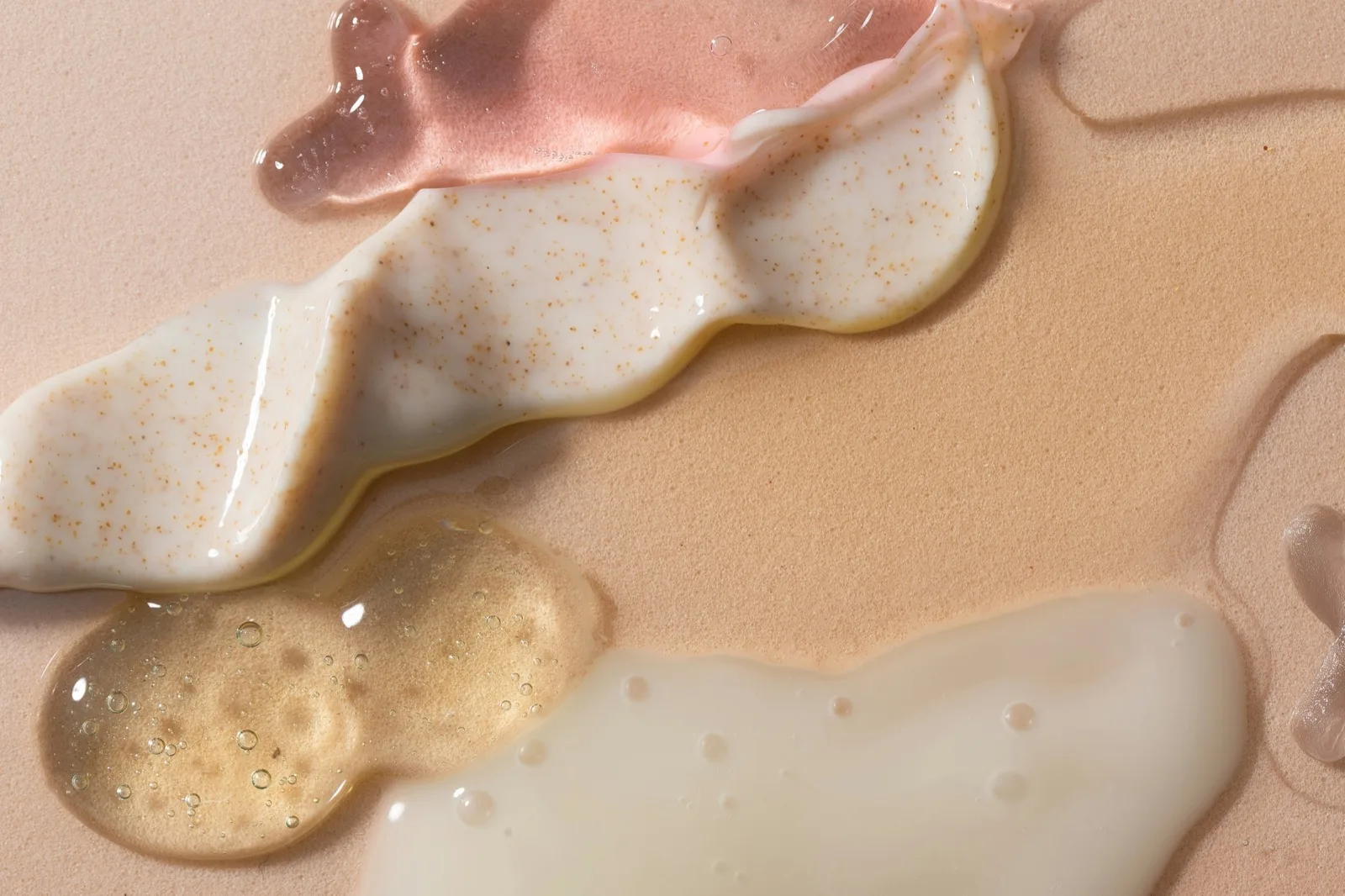
Thick Cushioning Film: When spread over the face, the gel creates a physical buffer between fingertips and facial skin. This structural thickness prevents direct finger-to-skin friction, ensuring zero mechanical drag across delicate morning tissue.
Encapsulation Mechanism: Rather than using aggressive surfactants that emulsify every lipid in sight, the polymer gel suspends mild non-ionic surfactants. As you sweep the gel across your face, it gently softens hardened pore keratin and binds non-polar sebum into microscopic droplets.
Instant Morning Efficiency: Because the formula requires no foaming nets, aerating pumps, or lather building, it cuts morning routine time in half. You simply dispense the gel and glide it directly across your face.
Step-by-Step Morning Application Protocol
To experience optimal pore refinement and barrier comfort, follow this Japanese aesthetician protocol:
1. Dispense a Generous Coin-Sized Amount
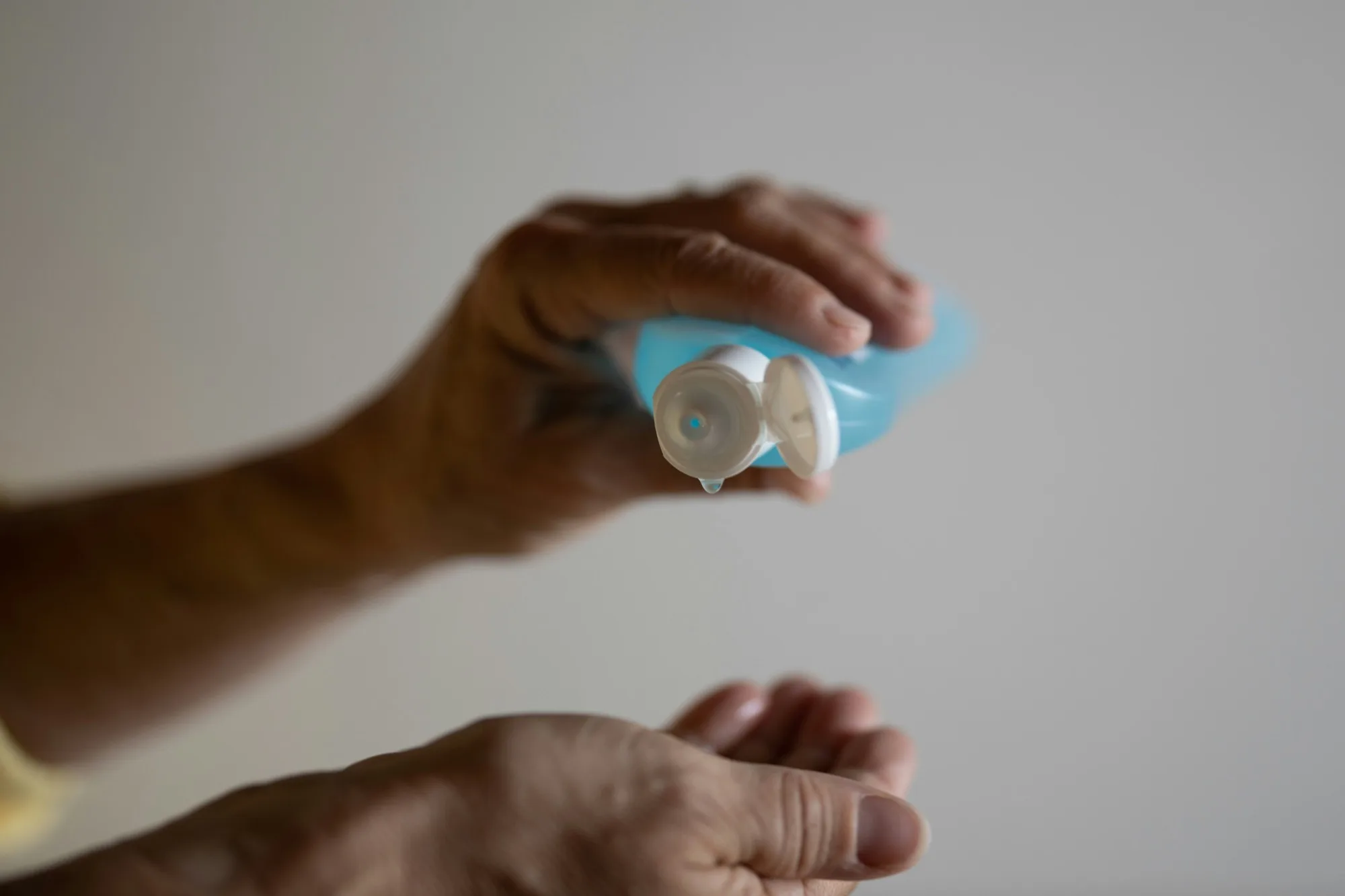
Squeeze a dollop approximately 2.5 to 3 centimeters in diameter onto dry or slightly dampened palms. Applying too small an amount reduces the gel's cushioning thickness, diminishing its friction-free benefit.
2. Smooth Directly Over the Face
Apply the clear gel across your forehead, cheeks, nose, and chin without working up a lather:
Begin with the T-zone, where overnight sebum output is highest.
Use soft, circular rolling motions with your ring and middle fingers for 20 to 30 seconds.
Let the cool gel soothe morning puffiness around the eye contours and jawline.
3. Rinse with Body-Temperature Water
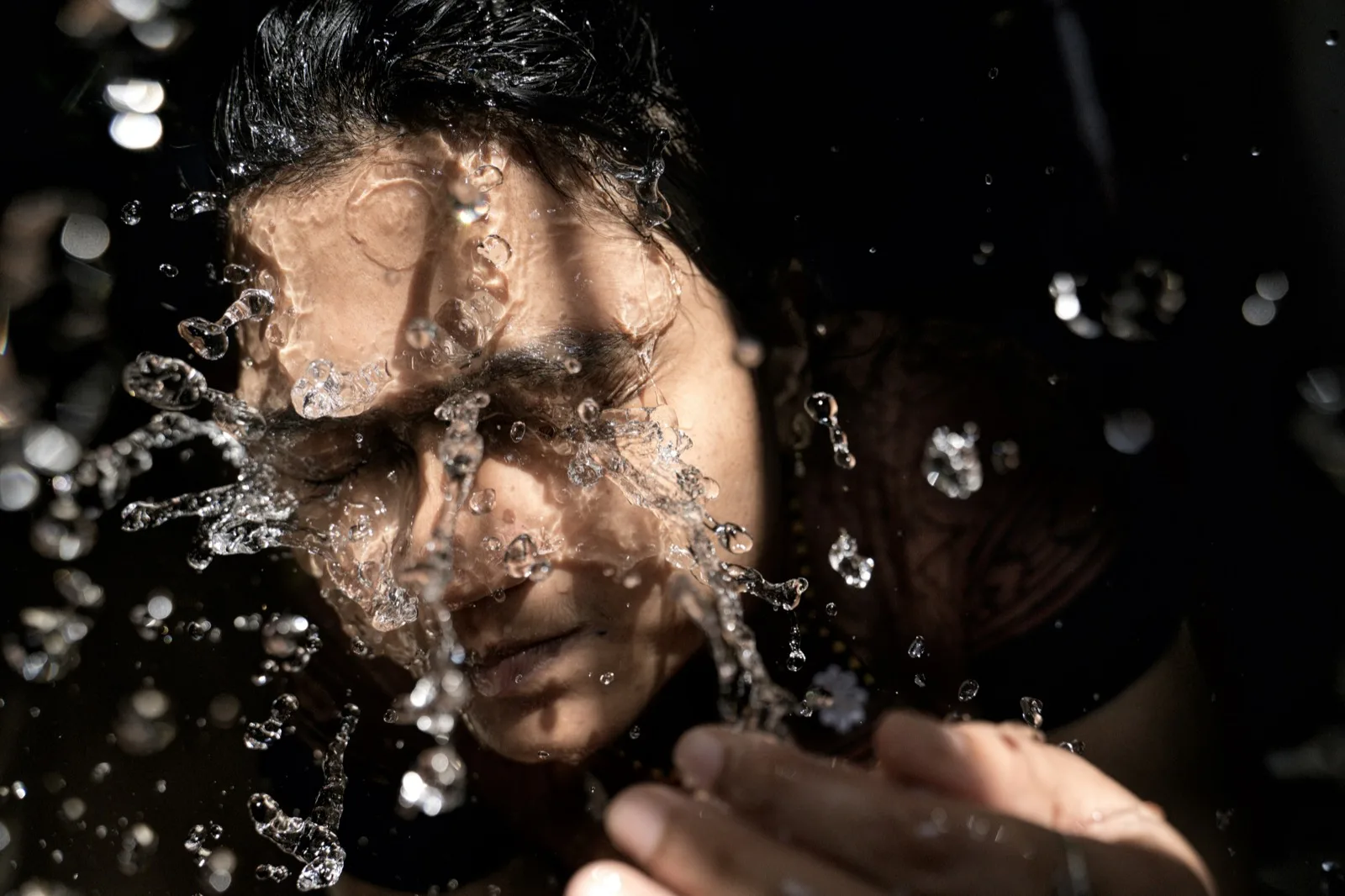
Splash your face thoroughly with lukewarm water (approximately 32°C). Modern Japanese morning gels are engineered with rapid-release water rinsibility: the polymer network collapses cleanly upon contact with surplus water, rinsing away completely without leaving a greasy, waxy, or heavy residue.
4. Immediate Hydration Layering
Pat your face dry with a clean, soft towel. Your skin will feel supple, cool, and soft rather than squeaky clean or tight. Immediately follow with your hydrating conditioning lotion (keshosui) and daytime milky emulsion (nyueki) before applying sunscreen.
Signs to Stop and When to See a Doctor
While non-foaming morning gels are designed for high compatibility, individual sensitivities to specific botanical extracts, thickeners, or fragrance agents can occur.
Be attentive to these warning signs:
Immediate tingling, burning, or itchiness upon spreading the gel.
Persistent flushed erythema or blotchy red patches that last after rinsing.
Sensation of rough bumps or small pustules forming after several days of consecutive use.
Discontinue use immediately and consult a medical professional if adverse contact dermatitis or cleansing irritation develops.[2] If your skin reacts, revert immediately to plain lukewarm water rinses and consult a licensed dermatologist for tailored guidance.
FAQ
Q1. Can non-foaming gel cleansers remove makeup at night?
A. Most morning gels are designed for un-made skin and lack the solvent power for heavy makeup.(Details)
Morning non-foaming gels are specifically calibrated for light overnight sebum and skincare residues. They do not contain the concentrated oil phases or heavy emulsifiers needed to dissolve waterproof mascara, long-wear foundation, or stubborn sunscreen filters. Reserve them for morning cleansing or light bare-faced evening washes.
Q2. Will morning gel cleansing leave a sticky film on the skin?
A. Quality Japanese morning gels rinse off completely clean without residual stickiness.(Details)
Unlike old-fashioned cold creams or heavy lotion cleansers that require wiping, Japanese water-gel formulas use specialized hydrophilic polymer matrices. When mixed with running lukewarm water, the gel structure dissolves instantly, leaving the skin refreshed, velvety, and smooth.
Q3. Is non-foaming gel cleanser suitable for oily or acne-prone skin?
A. Yes, particularly formulations that feature gentle pore-clearing organic acids.(Details)
Many popular Japanese morning gels (such as Biore Ouchi de Este or Lunasol Smoothing Gel Wash) contain gentle keratolytic buffers like tromethamine that dissolve protein-rich pore plugs without overdrying. They provide oily complexions with a smooth canvas while preventing the rebound oiliness triggered by harsh foaming bars.
Q4. Why do some Japanese morning gels produce a warming sensation?
A. Certain formulations use water-reactive glycols to gently warm skin and relax pores.(Details)
Warming gels contain polyols like glycerin or propylene glycol that release exothermic heat when massaged across skin moisture. This mild heat relaxes the skin surface and softens solidified sebum plugs, facilitating effortless rinsing during chilly winter mornings.
Q5. How does a morning gel cleanser compare to a cleansing wipe?
A. Gel cleansers protect the barrier far better by preventing abrasive cloth friction.(Details)
Cleansing wipes require dragging textured fabric sheets across delicate morning skin, which can create micro-friction and weaken stratum corneum integrity over time. Water-based gel cleansers cushion the skin completely, allowing fingers to glide without direct abrasion.
Summary and Key Takeaways
Japanese non-foaming morning gel cleansers provide a scientifically sound answer to morning skin care:
Morning Specificity: Removes oxidized overnight sebum and dust without stripping valuable intercellular lipids.
Cushioning Viscoelasticity: High-density water gels protect the stratum corneum from fingertip friction.
Time-Saving Convenience: Requires zero lather whipping; spreads directly onto skin and rinses cleanly in seconds.
Prep for Sun Care: Cleanses the canvas so that daytime serums, lotions, and broad-spectrum daily sunscreen defense apply smoothly and evenly.[3]
By adopting a gentle non-foaming gel cleanser, you can begin each morning with a refreshed, hydrated, and resilient complexion ready to take on the day.
Disclaimer: This article is for general information and education about Japanese cosmetics and their labels. It is not a substitute for professional medical advice, diagnosis, or treatment. Skincare results vary from person to person. Product formulas, availability, prices, and regulations change, and products sold in Japan can differ from versions sold elsewhere, so always check the current label. Do a patch test before introducing a new product, and consult a doctor or dermatologist if you have a skin condition or specific concerns.