Japanese Enzyme Powder Wash Frequency for Sensitive Skin
CleansingBy Seibun Lab Editorial Team
title: Japanese Enzyme Powder Wash Frequency for Sensitive Skin
slug: japanese-enzyme-powder-wash-frequency-sensitive
category: cleansing
published_at: '2026-11-27'
updated_at: '2026-11-27'
meta_description: Learn the ideal Japanese enzyme powder wash frequency for sensitive skin. Discover protease science, gentle usage tips, and barrier-safe aftercare.
keywords:
japanese enzyme powder wash frequency sensitive
kouso sengan sensitive skin
enzyme face wash weekly routine
protease lipase pore cleansing
gentle exfoliating powder japan
author: Seibun Lab Editorial Team
Japanese Enzyme Powder Wash Frequency for Sensitive Skin
In the realm of Japanese skincare, enzyme face wash (kōso sen-gan) occupies a revered position for clearing stubborn pore congestion and rough texture. Packaged in iconic single-use hexagonal pods or airtight foil sachets, these water-activated dry powders have earned a dedicated global following.
Yet for those with delicate, reactive, or dry complexions, enzyme cleansers often provoke caution. While they do not scratch the skin like walnut shells or gritty scrubs, their biological action is potent. Understanding how enzymes work and calibrating your washing frequency is vital to enjoying smooth, refreshed skin without compromising your moisture barrier.
Cleansing agents must support natural barrier resilience and moisture retention against environmental irritants.[1] Here is the scientific guide to using Japanese enzyme powder cleansers safely, especially when caring for fragile or sensitive skin.
How Enzyme Powder Washes Work: Protease and Lipase Chemistry
To understand why washing frequency matters, one must examine what actually creates pore plugs (kakusen).
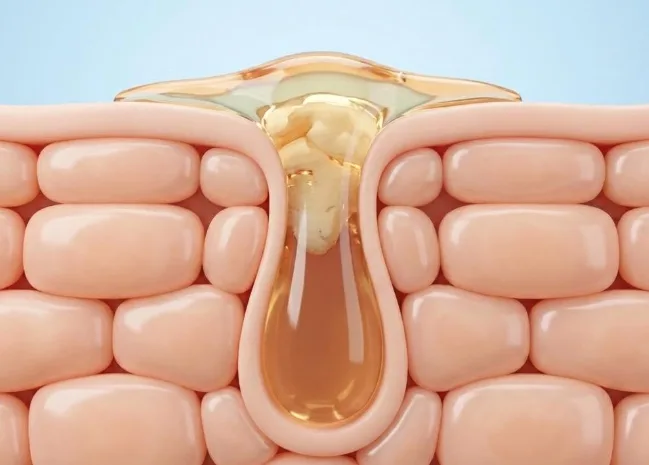
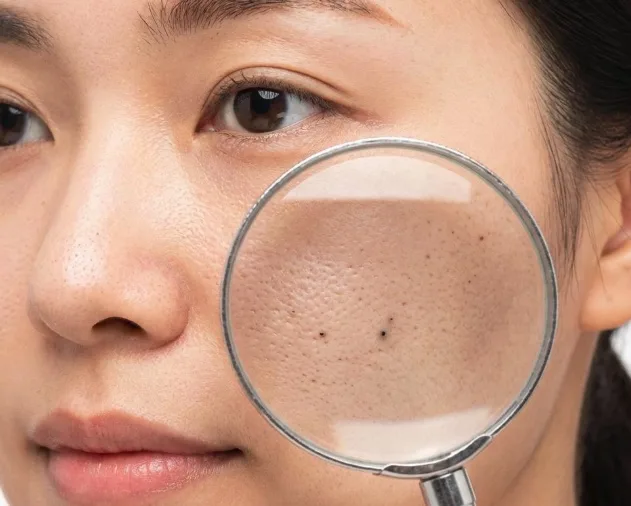
Many consumers assume clogged pores consist purely of hardened facial oil. In reality, biophysical analysis reveals that keratotic pore plugs are composed of approximately 70% oxidized keratin protein (dead corneocytes) and only 30% sebum lipids.
Conventional foaming cleansers rely on surfactants to dissolve superficial surface oil, but surfactants cannot break down dense structural proteins. This is where Japanese enzyme formulations excel:
Protease (Protein-Dissolving Enzymes): Common varieties such as papain, bromelain, or bacterial subtilisin cleave peptide bonds holding dead keratinocytes together, gently detaching cellular debris.
Lipase (Lipid-Dissolving Enzymes): Breaks down the sticky fatty acid fractions and triglycerides that bind the plug within the follicle lining.
Powder Stability: Liquid formulas deactivate enzymes quickly because water triggers enzyme hydrolysis in the bottle. By preserving the formula as a anhydrous dry powder until mixed in your palms with water, Japanese chemists ensure maximum enzymatic potency upon application.
Because these enzymes work biochemically rather than through physical abrasion, they lift congestion without mechanical micro-tears. However, if left on the skin too long or used too often, proteases can begin interacting with healthy superficial barrier proteins.
Recommended Frequency by Skin Type
Enzyme cleansing is a targeted conditioning ritual, not an everyday replacement for standard gentle face wash.
Scroll horizontally to view full comparison
Skin Type
Recommended Frequency
Application Strategy
Primary Focus
Sensitive & Fragile
Once every 10–14 days
T-zone focus; max 20–30 seconds contact
Preserve moisture lipids, prevent stinging
Dry & Dehydrated
Once every 7–10 days
Nose and chin only; rich lather cushion
Soften flaky roughness without stripping NMF
Combination
1 time per week
Target forehead and nose; skip dry cheeks
Balance oily areas while safeguarding perimeter
Oily & Congested
1–2 times per week
Full face with thorough foaming action
Decongest stubborn blackheads and sebum plugs
For sensitive skin, moderation is essential. Restricting application to once every 10 to 14 days allows the stratum corneum adequate time to renew its natural moisturizing factors (NMF) and intercellular ceramides between sessions.
Step-by-Step Gentle Application Technique for Fragile Skin
If you have sensitive or reactive skin, technique is just as crucial as frequency. Follow these four steps to minimize irritation:
1. Build an Abundant Cushioning Foam
Never rub un-dissolved powder granules directly against your face. Pour the single-serving capsule into damp hands or onto a Japanese foaming net (awa-date net). Add small splashes of lukewarm water and whisk vigorously until the powder transforms into a dense, meringue-like cloud of micro-bubbles. The micro-foam acts as a physical cushion so your fingers never drag across the skin surface.
2. Practice "Zone Placement"
Do not apply enzyme foam evenly across your entire face at once. Instead, deposit the richest foam onto your oil-prone areas first:
Start with the nasal bridge, nostrils, and chin where keratotic plugs accumulate.
Gently press the foam with soft, circular rolling motions for 15 to 20 seconds.
During the final 5 to 10 seconds, sweep leftover lather lightly across cheeks and forehead.
Rinse thoroughly before the total contact time exceeds 30 to 45 seconds.
3. Rinse with Lukewarm Water
Hot water strips crucial lipids, while cold water prevents clean rinsing of dissolved sebum. Use body-temperature water (approximately 32°C to 34°C) and splash gently 15 to 20 times until all traces of enzyme cleanser vanish completely.
Essential Post-Enzyme Aftercare: Sealing the Barrier
Immediately following an enzyme cleanse, the stratum corneum is exceptionally smooth, receptive, and momentarily vulnerable. Skincare applied in the subsequent 60 seconds determines whether your skin stays supple or feels tight:
Immediate Hydration (Keshosui): Drench the skin with an alcohol-free, fragrance-free conditioning lotion rich in humectants like hyaluronic acid, glycerin, and amino acids.
Lipid Replenishment (Nyueki): Apply a soothing milky emulsion containing barrier lipids such as ceramides, squalane, or cholesterol. These lipids quickly slot into the upper intercellular spaces vacated by removed dead cells.
Avoid Active Conflicts: Do not pair an enzyme cleanse on the same evening with exfoliating acids (AHA, BHA, PHA), strong vitamin C serums, or prescription retinoids. Dedicate your enzyme cleansing night exclusively to barrier soothing and hydration.
Sunscreen Priority: Freshly cleansed skin with thinned superficial dead cells requires broad-spectrum daily sunscreen defense to shield against photo-aging.[3]
Signs to Stop and When to See a Doctor
While Japanese enzyme powders are formulated under rigorous safety standards, biological enzymes can occasionally disagree with compromised skin barriers.
Watch for these warning signs:
Immediate tingling, burning, or prickling sensations while lathering.
Persistent erythema (patchy redness) that lingers more than 20 minutes post-wash.
Sensation of tight "plastic" skin, rough flaking, or heightened reactivity to regular moisturizers.
Discontinue use immediately and consult a medical professional if erythema or adverse contact dermatitis or cleansing irritation develops.[2] If your skin barrier feels sensitized, cease all exfoliating steps, return to a minimalist routine of gentle water cleansing and petroleum-based or ceramide balms, and allow the skin barrier at least two to four weeks to reset.
FAQ
Q1. Can I use enzyme powder wash every day if my skin is very oily?
A. Daily enzyme cleansing is generally not recommended even for oily complexions.(Details)
While some modern formulations market themselves as ultra-gentle daily washes, repeated daily protease exposure can strip protective stratum corneum lipids. Over-cleansing often triggers rebound sebum production, leaving oily skin simultaneously dehydrated and congested. Stick to 1 or 2 times weekly.
Q2. Is enzyme powder wash safer than physical face scrubs?
A. Yes, properly whipped enzyme foam minimizes abrasive mechanical friction against the skin.(Details)
Physical scrubs rely on angular grains that can create microscopic tears in delicate epidermal tissue, especially when scrubbed with uneven pressure. Enzymes dissolve target proteins chemically within a soft foam cushion, providing uniform smoothing without scratching the surface.
Q3. Can I use enzyme wash together with AHA, BHA, or retinol?
A. No, avoid combining enzyme powder washes with other chemical exfoliants or retinoids in the same routine.(Details)
Stacking enzymatic digestion with keratolytic acids (glycolic, lactic, salicylic) or cell-turnover accelerants (retinol) drastically elevates the risk of barrier disruption, redness, and acute stinging. Use your enzyme wash on dedicated recovery nights focused solely on hydrating aftercare.
Q4. Why are Japanese enzyme washes packaged in single-use mini pods?
A. Individual sealed pods protect dry enzymes from ambient bathroom humidity and moisture degradation.(Details)
Enzymes are protein molecules that activate and break down upon contact with water. If sold in a large open jar or multi-use bottle, steamy bathroom air would gradually deactivate the enzymes and cause clumping. Single-use capsules ensure maximum enzymatic freshness and precise dosage every session.
Q5. What should I do if my skin stings after using an enzyme cleanser?
A. Rinse immediately with cool water and coat the skin with a simple ceramide or squalane balm.(Details)
If burning occurs, remove the cleanser at once with generous cool water splashes. Skip all toners containing plant extracts or fragrances. Pat skin dry with a soft cloth and seal the area with pure petrolatum or a low-irritation ceramide cream to prevent trans-epidermal water loss while the barrier stabilizes.
Summary and Key Takeaways
Japanese enzyme powder washes deliver exceptional pore clarity and surface softness when utilized with patience and biological respect:
Biochemical Action: Protease and lipase target dead keratin proteins and sebum plugs without mechanical abrasion.
Conservative Frequency: Sensitive complexions should restrict use to once every 10 to 14 days, prioritizing the T-zone.
Cushioning Foam: Always whip the powder with water into a dense micro-foam; never apply dry grains directly to skin.
Immediate Aftercare: Replenish hydration immediately with gentle humectants and barrier-sealing lipids (nyueki).
Sun Protection: Maintain consistent broad-spectrum UV protection to safeguard freshly refined skin cells.
By balancing enzymatic efficiency with soothing aftercare, even fragile skin types can enjoy clear, radiant, and comfortable pore health.
Disclaimer: This article is for general information and education about Japanese cosmetics and their labels. It is not a substitute for professional medical advice, diagnosis, or treatment. Skincare results vary from person to person. Product formulas, availability, prices, and regulations change, and products sold in Japan can differ from versions sold elsewhere, so always check the current label. Do a patch test before introducing a new product, and consult a doctor or dermatologist if you have a skin condition or specific concerns.