Japanese Konjac Jelly Facial Cleanser Gentle Guide
For decades, physical facial scrubs carried a controversial reputation among dermatologists. Traditional granular exfoliants made from crushed walnut shells, ground apricot seeds, or synthetic microplastics feature jagged, razor-sharp microscopic edges that create invisible micro-tears across delicate facial tissue, compromising the skin barrier and worsening inflammation.
In Japan, cosmetic chemists solved this exfoliating dilemma by turning to an ancient culinary ingredient: konjac (konnyaku). Cultivated across Gunma Prefecture and consumed for centuries as a gelatinous dietary fiber, konjac contains glucomannan, a water-soluble polysaccharide capable of absorbing up to 50 times its dry weight in water. When purified into microscopic hydrogel spheres, konjac creates a cushiony, bounce-back scrub particle that purifies congested pores without scratching skin. Because cell turnover slows and stratum corneum desquamation becomes irregular across biological aging transitions, ultra-gentle mechanical cleansing maintains smooth epidermal texture.[1]
This guide explains the biophysical mechanism of konjac jelly cleansers, contrasts them against abrasive scrubs, details optimal application methods, and demonstrates why non-foaming jelly washes have become a morning staple in Tokyo.
The Biophysics of Konjac: Hydrogel Cushioning vs. Abrasive Grits
To understand why konjac cleansers feel so soothing, one must examine the physical morphology of the scrub particle under magnification:
Perfect Spherical Geometry: High-grade cosmetic konjac mannan is processed into round, smooth microscopic spheres rather than fractured shards. When massaged over skin, the particles roll smoothly rather than scrape.
Extreme Hydrophilic Elasticity: Before contacting the face, each glucomannan bead is fully saturated with water and moisturizing plant extracts. Under finger pressure, the particle compresses and deforms like a water balloon, absorbing mechanical force and protecting epidermal lipid layers.
Electrostatic Sebum Adsorption: Glucomannan polymers possess a natural negative surface charge in neutral water, allowing them to attract and bind positively charged oxidized sebum, airborne soot, and keratin flakes directly onto the gel surface.
Selecting round water-cushioned glucomannan spheres over jagged mineral grits prevents mechanical micro-tears and contact dermatitis on reactive skin.[2]
Konjac Jelly Cleansers vs. Traditional Physical Scrubs
Scroll horizontally to see full comparison
Cleansing Technology
Exfoliating Mechanism
Barrier Friction Risk
Skin Type Suitability
Konjac Jelly Cleanser
Elastic, water-swollen glucomannan rolling beads
Near zero; cushiony gel prevents direct finger drag
All skin types, including sensitive and dry
Nut Shell / Seed Scrubs
Hard, angular crushed botanical particles
High; sharp facets cause surface micro-abrasions
Thick, resilient, highly oily skin only
AHA / BHA Chemical Peels
Acidic dissolution of intercellular desmosome bonds
Zero friction, but can trigger chemical stinging
Tolerant skin; requires careful sun protection
Konjac Facial Sponge
Whole fiber mesh sponge soaked in water
Low, but requires meticulous drying to prevent mold
Gentle, but sponge degrades over 4 to 6 weeks
Unlike a traditional konjac sponge (konnyaku suponji) which must be thoroughly dried and replaced monthly to avoid bacterial contamination, tube-packaged konjac jelly cleansers maintain sterile, single-dose hygiene throughout their entire shelf life.
How to Use a Non-Foaming Konjac Jelly Cleanser
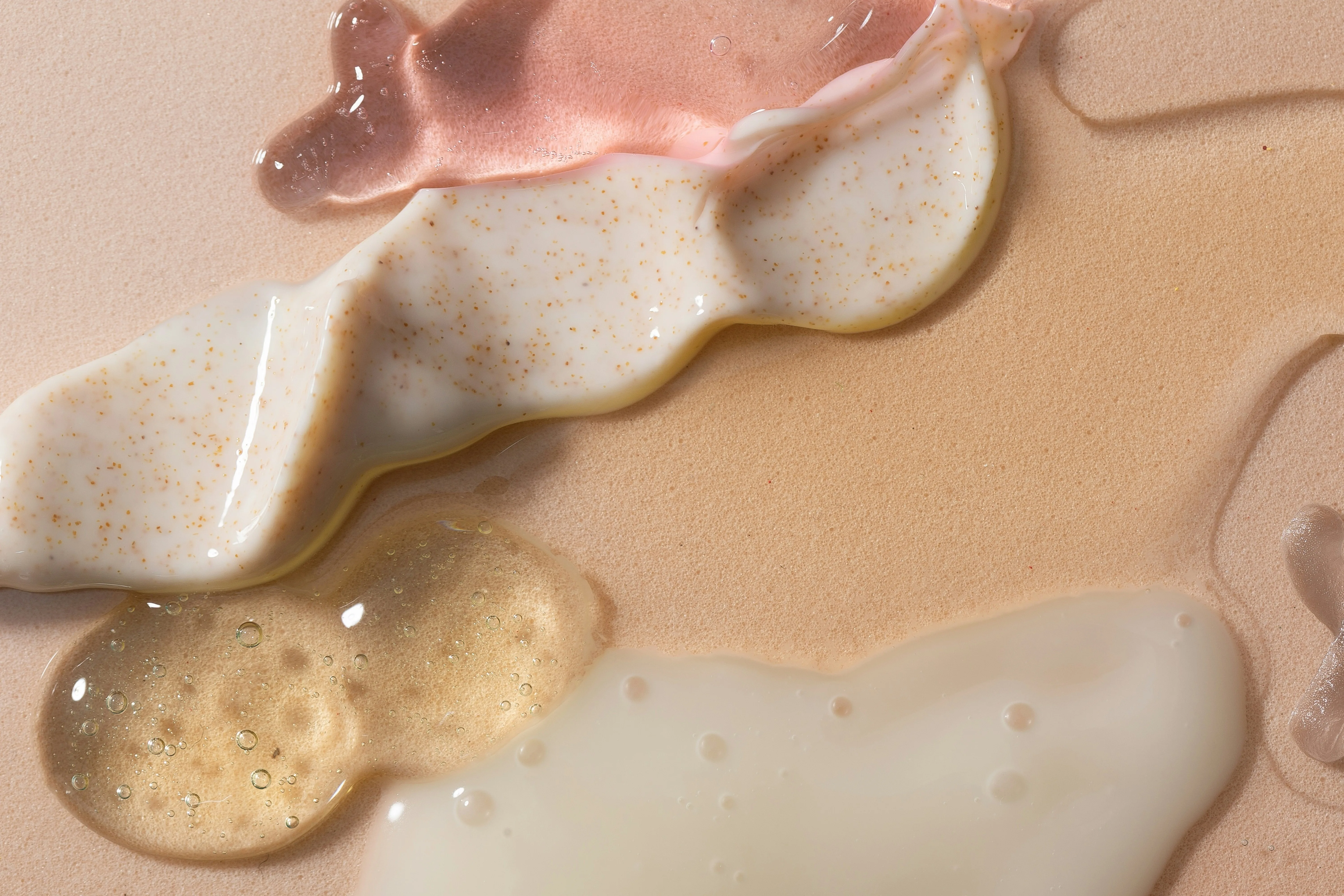
Most modern Japanese konjac cleansers—such as Mannan Jelly Hydro Wash by PLUEST—are formulated as thick, non-foaming hydra-gels. Because they contain zero aggressive sulfate lathering agents, they cleanse without stripping morning moisture.
Follow this 4-step routine:
Step 1: Splash Face with Lukewarm Water
Lightly dampen your face with lukewarm water (around 32°C). Never apply konjac jelly onto bone-dry skin; surface water ensures the glucomannan spheres glide effortlessly without drag.
Step 2: Dispense a Generous Dollop
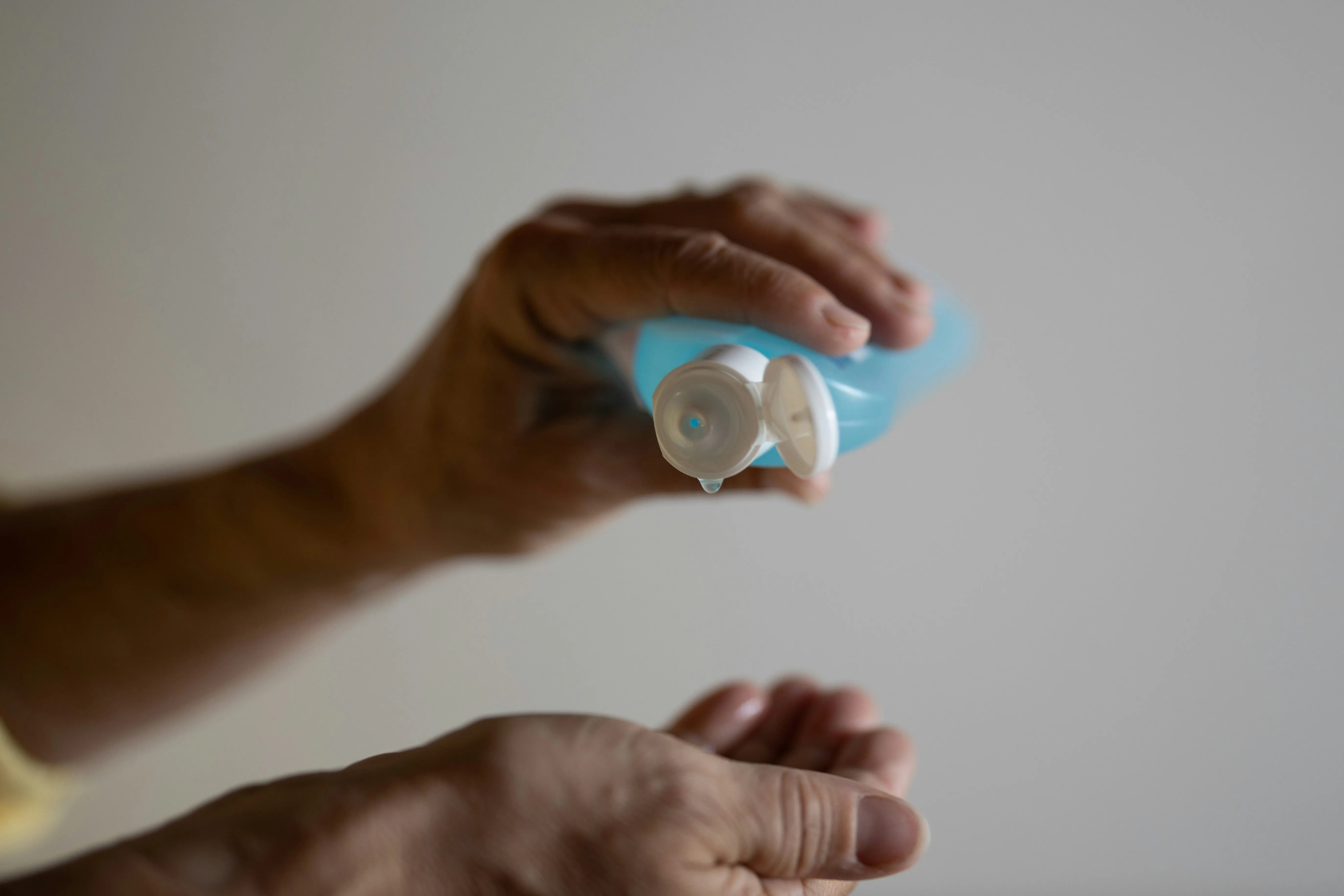
Squeeze a cherry-sized portion (approximately 2 to 3 grams) onto wet fingertips. Rub hands together briefly to spread the jelly across your palms.
Step 3: Gentle Circular Rolling Massage
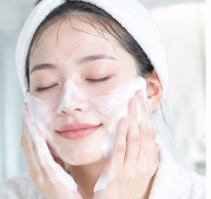
Apply the jelly across your forehead, nose, cheeks, and chin. Using the fleshy pads of your fingers, move in small, light circular patterns for 30 to 45 seconds. Focus gently over areas prone to congestion, such as the nasal wings, chin crease, and between the brows. Allow the elastic beads to roll naturally; avoid pressing hard against underlying bone.
Step 4: Rinse with Lukewarm Water
Splash lukewarm water over your face 10 to 15 times until the jelly rinses away completely. You will notice immediate smoothness and hydration without the squeaky tightness associated with conventional soap bars.
Pairing daily low-friction pore cleansing with reliable broad-spectrum sunscreen protects newly revealed surface cells from ultraviolet-induced hyperpigmentation.[3]
Why Konjac Jelly Excels as a Morning Cleanser
Many Japanese beauty specialists recommend using konjac jelly cleansers specifically during the morning routine:
Clears Overnight Sebum Without Harsh Detergents: During sleep, skin secretes sebum and sheds dead keratin cells, while absorbing dust from bedding. Pure water alone cannot dissolve oxidized sebum, but heavy evening foaming cleansers strip away crucial overnight ceramide protection. Konjac jelly provides the optimal middle ground.
Smoothes Canvas for Makeup Application: By gently sweeping away dry, flaky skin flakes around the nose and mouth, konjac jelly creates a supple, smooth canvas that prevents liquid foundation from clinging or caking.
Eco-Friendly and Biodegradable: Unlike synthetic polyethylene micro-beads banned globally for polluting marine ecosystems, natural konjac glucomannan breaks down completely and harmlessly in municipal wastewater systems.
Signs to Stop and When to See a Doctor
While natural konjac jelly is one of the gentlest physical cleansing mediums available, excessive pressure or compromised barrier states can provoke sensitivity.
Discontinue use and consult a certified medical practitioner if you experience:
Persistent facial redness, burning, or stinging after cleansing
Tiny raised red bumps or papules resembling reactive friction dermatitis
Increased flaking or tightness indicating that active barrier lipids have been disrupted
Any immediate allergic swelling or itching upon contacting plant polysaccharides
Disclaimer: This article is for general information and education about Japanese cosmetics and their labels. It is not a substitute for professional medical advice, diagnosis, or treatment. Skincare results vary from person to person. Product formulas, availability, prices, and regulations change, and products sold in Japan can differ from versions sold elsewhere, so always check the current label. Do a patch test before introducing a new product, and consult a doctor or dermatologist if you have a skin condition or specific concerns.
FAQ
Q1. Can I use a konjac jelly cleanser every single day?
A. Yes, elastic glucomannan spheres are designed for gentle daily use.(Details)
Unlike abrasive nut shell scrubs that must be restricted to once weekly, water-cushioned konjac beads exert virtually zero frictional shearing force on skin. Most Japanese formulations are engineered specifically for once or twice daily cleansing.
Q2. Does konjac jelly wash remove stubborn waterproof makeup?
A. No, it is a water-based second cleanser or morning wash.(Details)
Konjac jelly cleansers target water-soluble debris, light surface sebum, and loose dead skin cells. For heavy waterproof mascara or long-wearing sunscreens, use a dedicated Japanese cleansing oil first, followed by konjac jelly as your gentle secondary wash.
Q3. How does konjac jelly differ from a physical konjac sponge?
A. Tube jelly offers superior hygiene and precise spherical particles.(Details)
While konjac sponges use a continuous fibrous root mesh that must dry between uses and be replaced monthly, tube jelly cleansers suspend pre-dispersed micro-beads in sterile, preservative-buffered gel, ensuring fresh, contamination-free application every day.
Q4. Is a konjac cleanser safe for active acne breakouts?
A. It is suitable for blackheads, but avoid scrubbing inflamed cysts.(Details)
Konjac beads excel at clearing non-inflamed comedones and blackheads. However, if you have open, swollen cystic blemishes, any physical rubbing can aggravate inflammation. Glide the jelly gently around active lesions without exerting manual pressure.
Q5. Why does my konjac cleanser not create rich suds or foam?
A. Non-foaming hydrogels cleanse through lipid adsorption, not detergents.(Details)
Japanese konjac jelly washes rely on water-soluble hydrogel matrices and natural glucomannan absorption rather than high-surfactant foaming agents. This allows the product to cleanse effectively while preserving natural moisture factors.