Japanese Oil Cleanser for Sebaceous Filaments Guide
CleansingBy Seibun Lab Editorial Team
title: Japanese Oil Cleanser for Sebaceous Filaments Guide
slug: japanese-oil-cleanser-for-sebaceous-filaments
category: cleansing
published_at: '2026-11-27'
updated_at: '2026-11-27'
meta_description: Learn how Japanese oil cleansers soften and manage sebaceous filaments daily through gentle emulsification without prolonged massage or skin friction.
keywords:
japanese oil cleanser for sebaceous filaments
sebaceous filaments vs blackheads
oil cleansing method japan
pore emulsification technique
kakusen prevention
author: Seibun Lab Editorial Team
Japanese Oil Cleanser for Sebaceous Filaments Guide
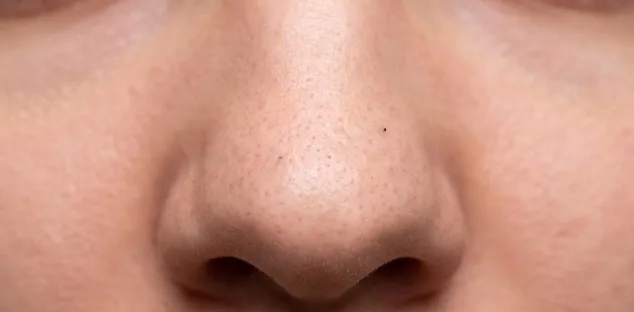
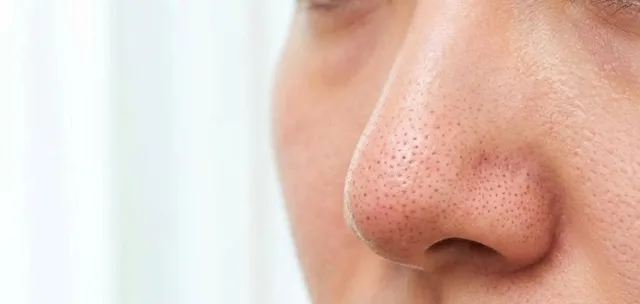
Tiny greyish-yellow pinpoints dotting the nose, chin, and central forehead are among the most misunderstood features in skincare. Commonly mistaken for stubborn blackheads, these pinpoint structures are actually sebaceous filaments—natural channels that funnel protective sebum from sebaceous glands to the skin surface.
Frustrated consumers often resort to aggressive pore vacuuming, harsh peeling strips, or viral "15-minute oil massage" trends in an attempt to eradicate them. In Japan, dermatologists and cosmetic chemists strongly caution against these abrasive habits. Instead, Japanese skincare relies on a disciplined, daily cleansing ritual: pairing refined cleansing oils with swift emulsification (nyuka) to soften surface plugs gently. Here is how Japanese oil cleansers manage sebaceous filaments safely without stretching pores or provoking redness.
The Biology of Sebaceous Filaments vs Blackheads (Kakusen)
To address pore congestion effectively, you must distinguish between benign sebaceous filaments and pathological comedones:
1. Sebaceous Filaments: Healthy Follicular Lining
Sebaceous filaments are normal, naturally recurring anatomical structures composed of condensed sebum, squalene, and shed dead keratinocytes lining the hair follicle wall:
Appearance: Flat, smooth pinpoints with a uniform pale grey, yellow, or flesh-toned hue.
Natural Cycle: Because your sebaceous glands produce oil continuously, emptied filaments naturally refill within 48 to 96 hours.
Physiological Purpose: They maintain a smooth pathway for surface sebum to lubricate and defend the stratum corneum acid mantle.
In Japanese dermatology, hardened plugs are called kakusen (keratin plugs), consisting of roughly 70% compacted dead skin proteins and 30% oxidized lipids:
Oxidation Process: When a follicular plug widens and remains exposed to ambient oxygen, surface squalene undergoes lipid peroxidation, turning dark brown or black.
Follicular Obstruction: Unlike filaments, true comedones plug the pore completely, stretching the follicular orifice and risking acne inflammation.
Scroll horizontally to view full comparison
Pore Feature
Sebaceous Filaments
Blackheads (Open Comedones)
Biological Nature
Normal, recurring physiological conduit
Follicular blockage / compacted plug
Surface Color
Uniform light grey, tan, or yellowish
Dark brown to stark black oxidized tip
Tactile Feel
Smooth and level with surrounding skin
Slightly raised, bumpy, or gritty
Refill Behavior
Naturally replenishes within 2 to 4 days
Forms gradually under abnormal turnover
Japanese Care Focus
Daily oil dissolution & emulsification
Mild chemical keratolytic exfoliation
The 60-Second Rule: Why Prolonged Oil Massage Damages Pores
A widespread social media trend recommends rubbing cleansing oil into the nose for 10, 15, or even 20 minutes to "roll out sebum grits." Japanese dermatologists strongly warn against this practice:
The Hazards of Prolonged Facial Rubbing
Mechanical Pore Wall Stretching: Excessive manual friction over-stretches delicate pore margins. As natural aging and follicular elasticity decline[1] occur over decades, stretched pores lose the elastic rebound necessary to snap back, resulting in chronically enlarged pore openings.
Capillary Telangiectasia: Aggressive fingertip dragging against the thin skin of the nasal bridge ruptures superficial micro-vessels, causing long-term redness and spider veins.
Barrier Breakdown: Surfactants within cleansing oils are designed for short contact times. Massaging them for over two minutes strips essential intercellular ceramides, triggering reactive rebound sebum.
The Japanese Golden Protocol: 60 Seconds Maximum
Japanese cosmetic guidelines recommend spending no more than 30 to 60 seconds on the oil phase:
Apply with Dry Hands: Dispense two to three pumps of cleansing oil onto completely dry palms. Smooth over the dry face, using light circular motions around the nose and chin for 30 seconds.
The Crucial Emulsification Step (Nyuka): Wet your hands with a few drops of lukewarm water and massage your face again. The oil will instantly transform into a milky white emulsion. This phase break encapsulates dissolved sebum droplets inside hydrophilic micelles.
Thorough Lukewarm Rinse: Splash with lukewarm water (around 32°C to 34°C) 15 to 20 times until the skin feels clean, soft, and devoid of greasy residue.
Choosing the Right Japanese Oil Cleanser: Esters vs Mineral vs Botanical
Japanese pharmacies offer three primary oil cleanser formulations, each tailored to distinct skin sensitivities:
1. Synthetic Ester-Based Oils
Formulated with fluid cosmetic esters (such as ethylhexyl palmitate, triethylhexanoin, or PEG-20 glyceryl triisostearate):
Performance: Exceptionally lightweight slip that washes off in seconds without requiring vigorous rinsing.
Optimal For: Combination, acne-prone, and reactive skin that easily clogs from heavy vegetable oils.
2. High-Purity Cosmetic Mineral Oils
Formulated with pharmaceutical-grade, highly refined liquid hydrocarbons:
Performance: Completely non-polar and chemically inert, mineral oil will not oxidize on the skin or nourish acne-causing bacteria. It demonstrates remarkable efficiency at melting compacted sebum plugs.
Formulated with plant-derived triglycerides (such as rice bran oil, macadamia nut oil, or olive squalane):
Performance: Leaves a nourishing lipid cushion on the stratum corneum, supporting dry barriers during arid winters.
Optimal For: Dry or mature skin types that prioritize natural softening emollients.
Signs to Stop and When to See a Doctor
While oil cleansing is widely tolerated, improper rinsing or heavy formulation residue can provoke adverse contact dermatitis or mechanical pore irritation[2]:
Persistent Follicular Bumps: Small, uniform red bumps clustering around the jawline or cheeks suggest incomplete emulsification, leaving surfactant-oil films in pores.
Erythema Along Nasal Wings: Raw redness or stinging around the nostrils indicates excessive fingertip friction during massage.
Flaking and Tightness: If your face feels stripped, switch to a more moisturizing ester-based formula or avoid following with a second foaming cleanser.
[!WARNING]
If you develop acute facial swelling, weeping dermatitis, deep cystic nodules, or persistent hives, rinse with cool water, discontinue use, and consult a dermatologist. For daytime ultraviolet defense, always complete your morning regimen with broad-spectrum daily sunscreen defense[3].
FAQ
Q1. Can oil cleansing keep sebaceous filaments away indefinitely?
A. No, sebaceous filaments are natural structures that refill every few days.(Details)
Sebaceous filaments are ongoing physiological parts of human skin that naturally refill with fresh sebum within 48 to 96 hours. Daily gentle oil cleansing prevents them from oxidizing into dark, prominent plugs, keeping pores looking clean and refined.
Q2. Does massaging oil on the nose for 10 minutes get rid of more plugs?
A. No, extended massage causes capillary damage and stretches pore margins.(Details)
Japanese dermatologists strongly advise against prolonged rubbing. Cleansing oil dissolves surface sebum within 30 to 60 seconds; extended rubbing creates physical friction that ruptures superficial capillaries and causes chronic redness.
Q3. Will daily oil cleansing cause breakouts on acne-prone skin?
A. Proper emulsification ensures all oil rinses away cleanly without clogging pores.(Details)
Japanese cleansing oils are formulated with specialized emulsifiers that break down completely upon contact with water. As long as you emulsify thoroughly into a milky fluid and rinse with lukewarm water, zero pore-clogging film remains.
Q4. Is emulsification necessary if I wipe the oil off with a towel?
A. Yes, wiping with a towel causes abrasive friction and leaves oil residue.(Details)
Wiping dry oil with a washcloth drags rough fabric against delicate facial skin, causing micro-tears. Emulsifying with water transforms the oil into a milk that rinses off effortlessly with zero physical dragging.
Q5. Why do pore strips make sebaceous filaments look worse over time?
A. Adhesive strips rip off stratum corneum cells and stretch pore openings.(Details)
Adhesive pore strips violently yank out filaments along with healthy superficial skin cells. This trauma loosens follicular elasticity, causing pores to dilate wider and collect even larger plugs in subsequent weeks.
Summary and Key Takeaways
Managing sebaceous filaments requires gentle consistency rather than aggressive extraction:
Accept Natural Biology: Sebaceous filaments are normal conduits that naturally refill; the goal is daily maintenance, not total removal.
Dissolve via Oil Chemistry: The non-polar oils in Japanese cleansers soften sebum plugs gently without peeling strips or physical pinching.
Respect the 60-Second Limit: Never massage oil for extended periods; 30 to 60 seconds is all that is required to dissolve surface lipids safely.
Master Complete Emulsification: Always add lukewarm water to turn the oil milky white before rinsing, ensuring pores remain clear and unburdened.
By making gentle Japanese oil cleansing a mindful, low-friction part of your evening routine, you can enjoy refined, smooth pores while preserving your skin barrier's long-term health.
Disclaimer: This article is for general information and education about Japanese cosmetics and their labels. It is not a substitute for professional medical advice, diagnosis, or treatment. Skincare results vary from person to person. Product formulas, availability, prices, and regulations change, and products sold in Japan can differ from versions sold elsewhere, so always check the current label. Do a patch test before introducing a new product, and consult a doctor or dermatologist if you have a skin condition or specific concerns.