Japanese Rice Bran Kome Nuka Scrub Bag Beauty Guide
CleansingBy Editorial Team
title: Japanese Rice Bran Kome Nuka Scrub Bag Beauty Guide
slug: japanese-rice-bran-kome-nuka-scrub-bag
category: cleansing
published_at: '2026-11-27'
updated_at: '2026-11-27'
meta_description: Discover Japanese rice bran scrub bags (kome nuka bukuro). Learn how Edo-period cotton pouch cleansing polishes skin, balances lipids, and restores glow.
keywords:
japanese rice bran kome nuka scrub bag
kome nuka bukuro edo beauty ritual
natural rice bran face body polish japan
gamma oryzanol rice ceramide cleansing
traditional cotton pouch wash off exfoliation
author: Seibun Lab Editorial Team
Japanese Rice Bran Kome Nuka Scrub Bag Beauty Guide
Long before modern synthetic cleansers and commercial facial scrubs arrived in Japan, women across the bustling neighborhoods of Edo (historic Tokyo) and Kyoto possessed an iconic secret for porcelain-smooth skin: kome nuka bukuro (rice bran sachets). At communal bathhouses (sento), bathers soaked small, hand-stitched cotton drawstring pouches in hot tubs, gently gliding the softened bags across their faces, shoulders, and elbows.
Rather than scrubbing abrasively, this traditional ritual relies on natural rice lipids and gentle starch enzymes to melt away surface impurities while replenishing essential fatty acids. Because stratum corneum lipid replenishment and moisture synthesis decline across physiological aging stages, gentle fatty acid emulsions support barrier equilibrium.[1]
This guide explores the dermatological nutrients inside whole rice bran, explains how cotton pouch cleansing works, details proper soaking techniques, and provides guidelines for modern at-home use.
The Chemistry of Rice Bran: Natural Cleansing Without Soap
When brown rice is polished into white grain, the removed outer husk and germ layer (nuka) retain over 60 percent of the rice seed's total nutritional density. Unlike industrial surfactant bars that rely on alkaline saponification (pH 9.0 to 10.0), raw rice bran functions as a self-emulsifying, weakly acidic cleanser:
Rice Bran Oil (Triglycerides & Squalene): Constitutes 15 to 20 percent of whole rice bran. Rich in oleic and linoleic fatty acids, this natural botanical lipid mimics human sebum, dissolving daytime oil plugs while preventing trans-epidermal water loss.
Gamma-Oryzanol: A specialized ester of ferulic acid found uniquely in rice lipids. It exhibits powerful antioxidant activity, stimulates surface microcirculation, and helps regulate sebaceous gland balance.
Rice-Derived Ceramides (Glycosphingolipids): Plant ceramides that integrate directly into human intercellular lipid matrices, reinforcing barrier cohesion and soothing roughness.
Natural Starch and Micro-Fiber Polysaccharides: Gentle botanical fibers that physically adsorb airborne grime and dead surface keratin without scratching delicate epidermal tissue.
Traditional Rice Bran Bags vs. Modern Exfoliating Cleansers
Scroll horizontally to see full comparison
Cleansing Modality
Cleansing Agent
Skin Feel Post-Rinse
Barrier Impact
Rice Bran Bag (*Nuka Bukuro*)
Milky starch emulsion + rice bran oil
Silky, hydrated, velvety cushion
Moisturizing; preserves acid mantle
Alkaline Bar Soap
Saponified tallow or palm fatty acids
Squeaky, taut, temporary tightness
Strips protective intercellular lipids
Granular Walnut / Apricot Scrub
Crushed nut shells in foaming cream
Exfoliated, but prone to micro-scratches
High mechanical friction risk
Rice Enzyme Powder Cleanser
Micro-milled rice starch + papain/protease
Airy, smooth, foam-washed finish
Mild enzymatic breakdown without oils
While modern enzyme powders provide convenient foaming washes, traditional cotton scrub bags offer the added benefit of unheated virgin rice bran oil, making them uniquely nourishing for chronically dry or mature skin.
Step-by-Step Guide: How to Use a Rice Bran Scrub Bag
Using an authentic kome nuka bukuro requires gentle handling rather than aggressive friction:
Step 1: Saturate the Pouch in Warm Water
Fill a washbasin or bathtub with warm water (around 38°C to 40°C). Submerge the cotton pouch completely for 30 to 60 seconds.
Step 2: Gently Knead Until Milky Emulsion Appears
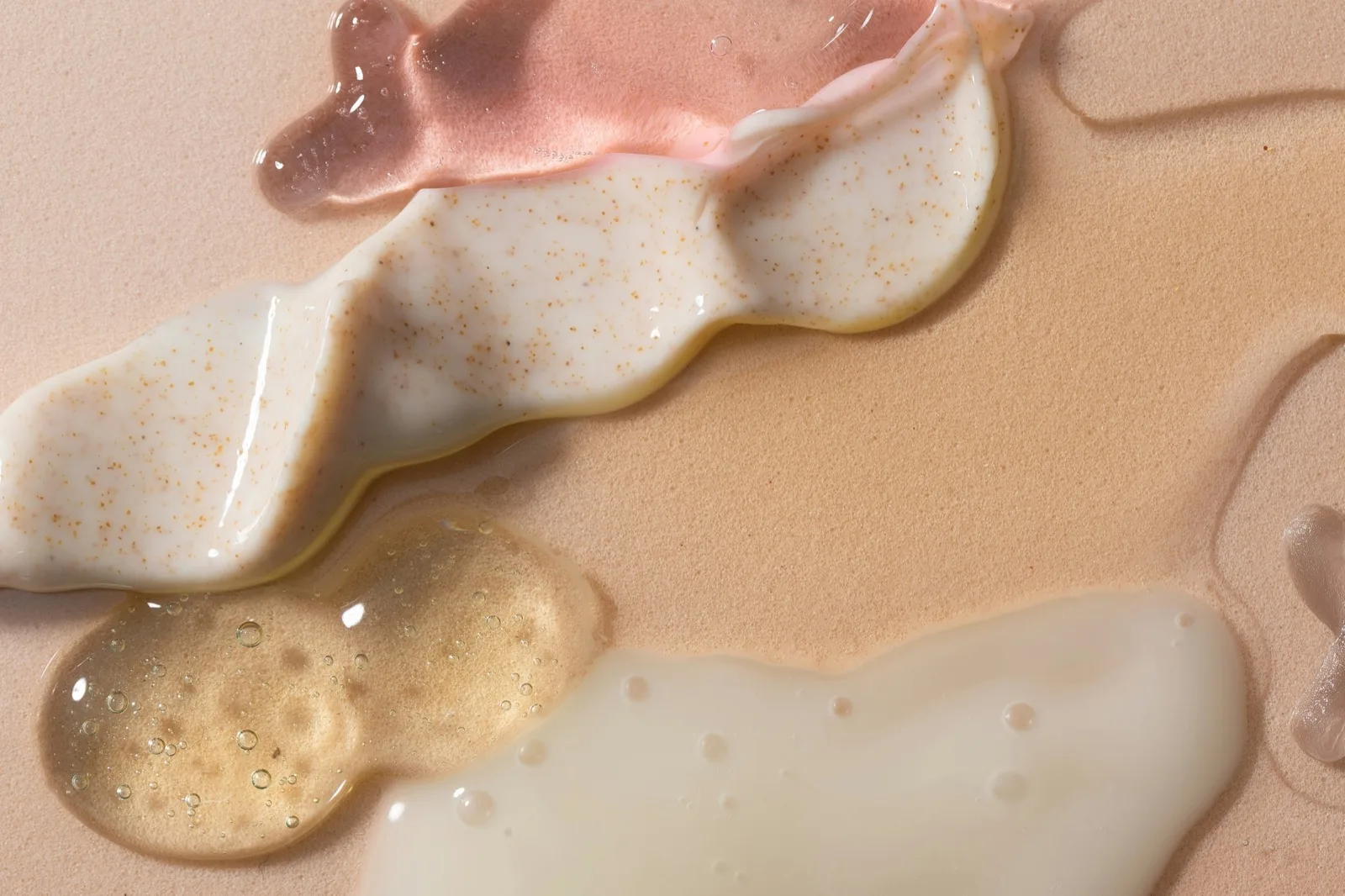
Using your fingers, gently squeeze and knead the pouch underwater. As water saturates the cotton weave, it activates the inner starches and lipids, releasing a cloud of rich, milky-white rice liquid (nuka-jiru).
Step 3: Glide Without Friction
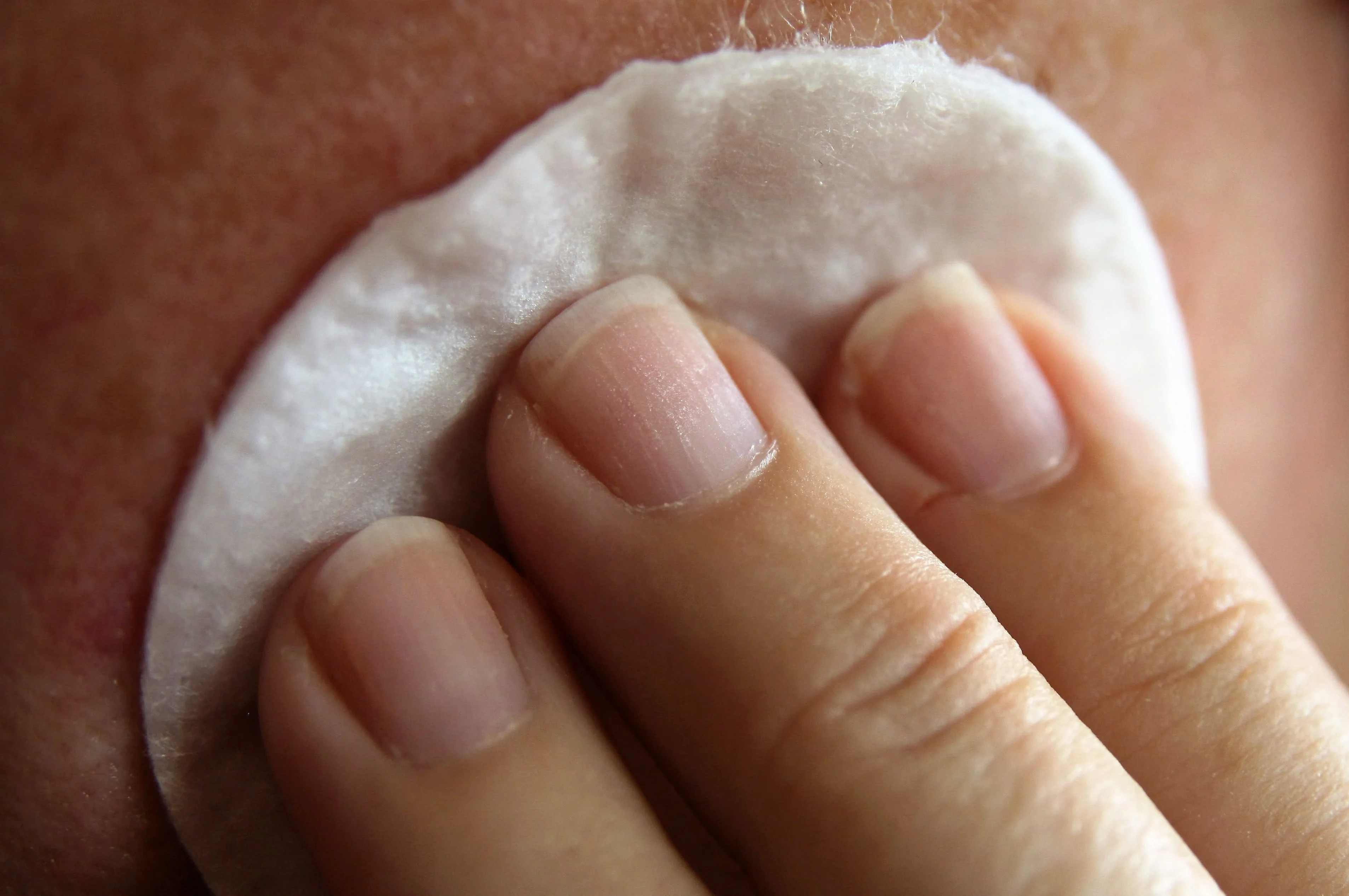
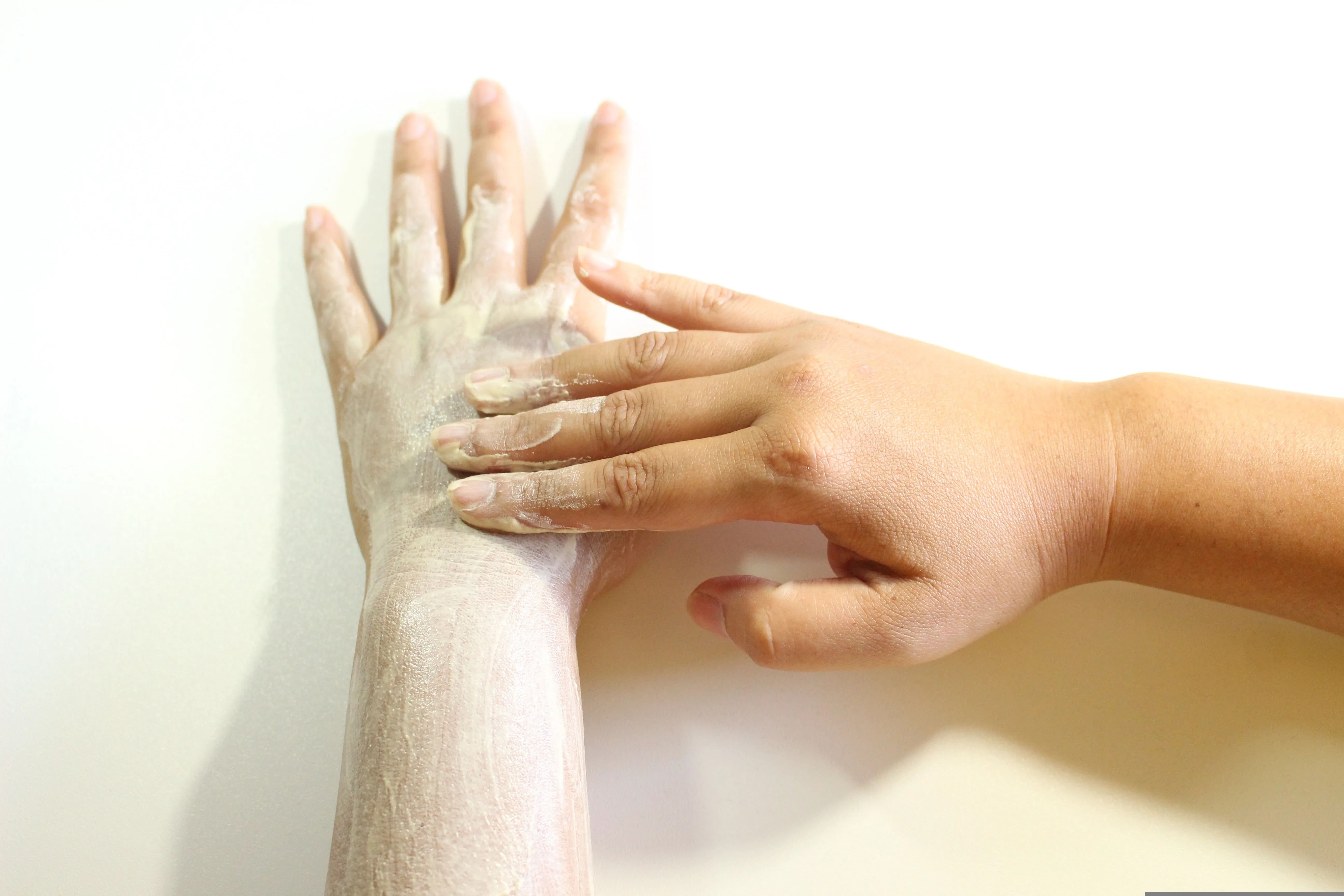
Holding the saturated pouch in your palm, glide it over your damp face and body in slow, circular motions. Do not rub or apply forceful manual pressure; let the soft, wet cotton cloth and releasing milky fluid do the cleansing. Focus gently over areas prone to rough texture, such as the chin, nose wings, elbows, and knees.
Step 4: Rinse with Lukewarm Water
Splash clear lukewarm water over your skin to rinse away surface starch residues. Pat dry with a soft cotton towel. Your skin will feel supple, calm, and coated in a featherlight veil of protective botanical lipids.
Using smooth woven cotton pouches and refraining from harsh mechanical friction prevents acute contact dermatitis across reactive epidermal barriers.[2]
Hygiene and Proper Storage of Fresh Rice Bran Sachets
Because authentic rice bran contains pure, preservative-free agricultural lipids and starches, careful sanitation is essential to avoid bacterial growth:
Single-Use vs. Multi-Use Cotton Pouches: Traditional reusable pouches can be used for 3 to 5 consecutive days if dried meticulously between sessions. Modern Japanese brands also produce convenient single-use biodegradable sachets.
Squeeze Dry and Hang in Ventilation: Immediately after bathing, squeeze out excess water firmly. Hang the pouch by its drawstring in a breezy, well-ventilated area away from humid shower stalls.
Refrigerate Between Uses: In humid summer months, store the damp squeezed pouch inside a clean sealed container in the refrigerator to prevent lipid rancidity.
Replace Rice Bran Promptly: When the pouch ceases to release milky white liquid upon kneading (typically after 4 to 5 baths), discard the spent bran and refill with fresh cosmetic-grade rice flour or dispose of the sachet.
Pairing heritage rice bran skin polishing with daily broad-spectrum photoprotection shields newly uncovered surface cells from persistent solar damage.[3]
Signs to Stop and When to See a Doctor
While pure rice bran is one of the oldest natural cosmetic emollients in Asia, raw grain proteins can occasionally trigger allergic sensitivities in hyper-reactive skin.
Discontinue use and consult a certified medical practitioner if you experience:
Itchy red patches, hives, or stinging sensations after gliding the pouch over skin
Flaking or worsening dryness caused by excessive manual rubbing
Any sudden swelling or wheezing associated with grain or cereal allergies
Disclaimer: This article is for general information and education about Japanese cosmetics and their labels. It is not a substitute for professional medical advice, diagnosis, or treatment. Skincare results vary from person to person. Product formulas, availability, prices, and regulations change, and products sold in Japan can differ from versions sold elsewhere, so always check the current label. Do a patch test before introducing a new product, and consult a doctor or dermatologist if you have a skin condition or specific concerns.
FAQ
Q1. Can I use a rice bran scrub bag on acne-prone skin?
A. It is suited for non-inflamed rough texture, but avoid active breakouts.(Details)
Rice bran starches absorb excess sebum and smooth clogged pores effectively. However, if you have active, red pustules, any physical pouch friction can aggravate inflammation. Glide the pouch around clear areas and avoid scrubbing active blemishes.
Q2. How often should I cleanse with a kome nuka scrub bag?
A. Two to three times weekly is optimal for maintaining soft radiance.(Details)
Because the cotton pouch provides mild physical exfoliation alongside lipid nourishing benefits, two to three sessions per week maintain smooth barrier texture without risking over-exfoliation.
Q3. Can I make my own scrub bag using grocery store rice bran?
A. Only if it is pesticide-free, fresh, and roasted or steam-sterilized.(Details)
Raw agricultural rice bran from grocery stores can contain microscopic grain fragments, agricultural residues, or natural fungi. For skin safety, use cosmetic-grade, finely sifted, and heat-stabilized rice bran sachets.
Q4. Does rice bran cleansing lighten natural skin tone?
A. It clears dull dead surface cells and regulates melanin oxidation.(Details)
Rice bran does not alter genetic melanin. However, the presence of gamma-oryzanol and ferulic acid, combined with gentle removal of oxidized surface keratin, restores natural clarity and translucent radiance to sun-dull complexions.
Q5. Can I use a rice bran bag as an in-bath soak?
A. Yes, floating and kneading the pouch turns bathwater into a soothing milk bath.(Details)
In traditional Japanese onsen routines, bathers frequently drop two or three rice bran pouches into the hot tub and knead them thoroughly, transforming ordinary tap water into a milky, softening lipid bath for the entire body.