Japanese All-in-One Gel Moisturizer: Complete Guide
HydrationBy Miho Tanaka
title: Japanese All-in-One Gel Moisturizer: Complete Guide
meta_description: Discover how a Japanese all-in-one gel moisturizer streamlines your routine. Learn gel network benefits, anti-pilling tips, and top skin-type matches.
affiliate: false
Japanese All-in-One Gel Moisturizer: Complete Guide
Traditional Japanese skincare is renowned for its deliberate, multi-step layering ritual—often involving double cleansing, watery lotion, beauty essence, milk emulsion, and occlusive cream. Yet for busy mornings or exhausted late nights, following a five-step regimen can feel overwhelming. The rise of the Japanese all-in-one gel moisturizer (ooru-in-wan jieru) has revolutionized everyday skincare in Japan by condensing these multiple steps into a single, high-performance hydrogel formula.
Unlike heavy Western cold creams that rely on dense waxes or mineral oils, Japanese all-in-one gels use advanced polymer water-network technology. They deliver immediate hydration like a toner, target concerns like a serum, soften like a milk emulsion, and seal the barrier like a cream—all in one weightless, refreshing step.
Quick answer: A Japanese all-in-one gel moisturizer combines 5 to 6 traditional skincare steps (lotion, serum, emulsion, cream, pack, and makeup primer) into a single hydrogel matrix. Built with cross-linked polymer networks holding humectants and micro-emulsified emollients, it provides intensive moisture without heaviness or pore occlusion. To prevent pilling (moromoro), press the gel gently into damp skin using clean palms rather than rubbing vigorously, and allow 60 seconds to set before applying sunscreen.
What Is a Japanese All-in-One Gel Moisturizer?
Understanding how all-in-one gels fit into Japanese beauty culture helps demystify why these multi-functional products have gained widespread popularity.
Conclusion: Japanese all-in-one gels integrate toner, serum, emulsion, cream, and mask functions into a unified hydrogel formula, significantly reducing skin friction while saving daily routine time.
In Japanese cosmetic terminology, an all-in-one gel typically consolidates up to six traditional steps:
Lotion (Keshosui): Delivers water-phase humectants to saturate the outer stratum corneum.
Serum (Biyoueki): Infuses active botanicals, vitamins, and brightening or soothing agents.
Emulsion (Nyuueki): Supplies light balancing lipids to soften skin texture.
Cream (Kuriimu): Provides a protective seal to curb trans-epidermal moisture loss.
Mask (Pakku): Forms a comforting moisture veil that plumps surface lines.
Makeup Base (Shitaji): Prepares a smooth, even surface for cosmetic foundation.
Crucially, Japanese cosmetic formulators created this category not merely as a shortcut for convenience, but also as a way to minimize physical skin friction (masatsu). Repeatedly rubbing, patting, and buffing five different products across delicate facial skin twice daily can trigger micro-inflammation and compromise sensitive skin barriers. By combining these essential functions into one smooth gel, skin friction is minimized.
Dermatologists recognize the clinical advantage of streamlining daily routines. According to guidelines from the American Academy of Dermatology, to save time and protect your skin from the sun’s harmful ultraviolet rays, look for a moisturizer that also contains a broad-spectrum sunscreen with an SPF of 30 or higher[1]. This principle of combining daily protective and hydrating functions reflects the core philosophy behind Japanese all-in-one formulations.
How Gel-Network Formulations Lock In Hydration
Many consumers wonder how a lightweight, translucent gel can possibly deliver the long-lasting moisture of a traditional rich cream. The answer lies in polymer cosmetic architecture.
Conclusion: All-in-one gels utilize microscopic polymer networks (carbomer and acrylates) that encapsulate humectants and micro-emulsified lipids, bursting upon contact to hydrate and form a breathable seal.
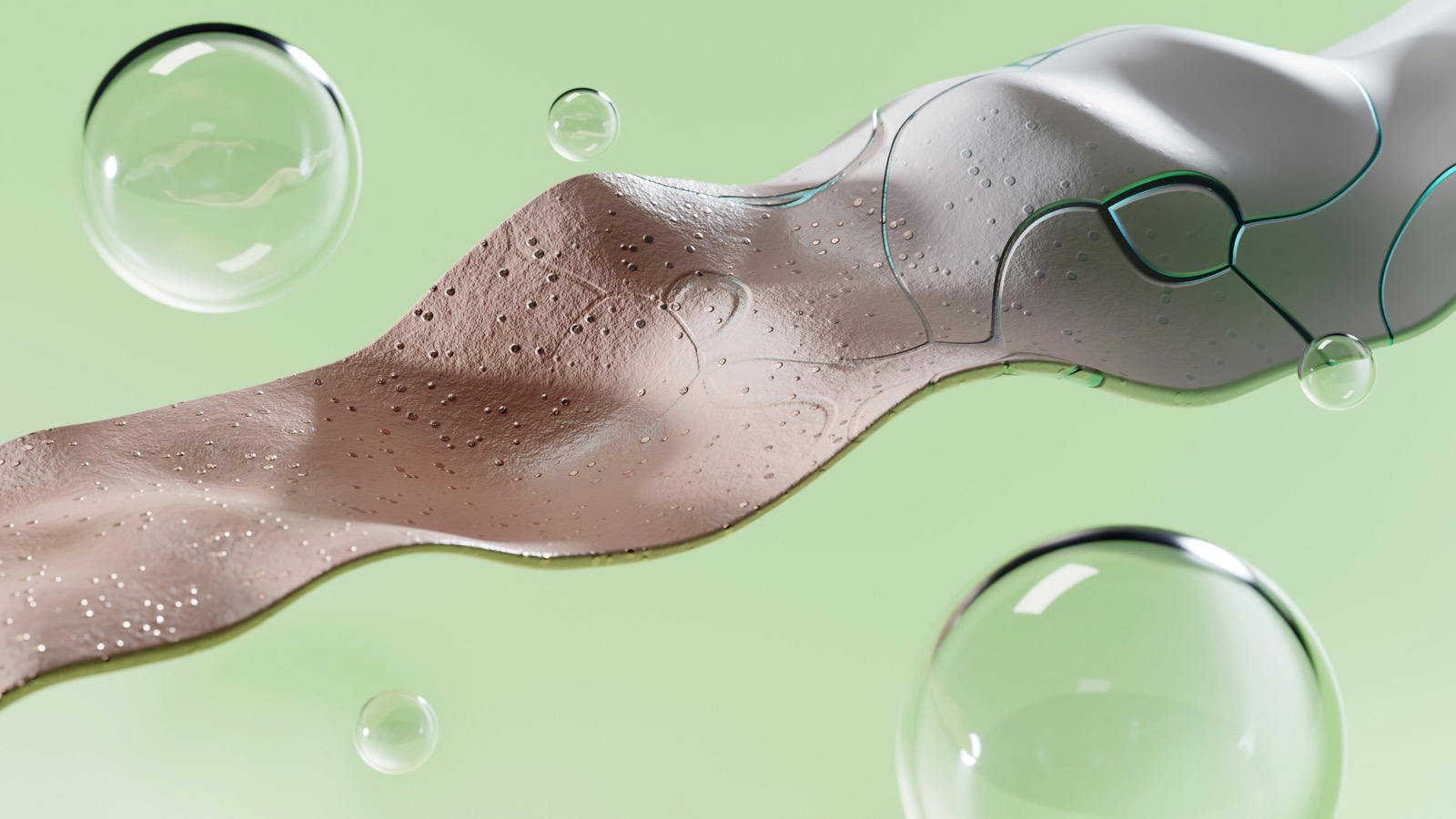
At a microscopic level, a Japanese all-in-one gel consists of a three-dimensional hydrogel mesh formed by cross-linked polymers, such as carbomers and acrylate crosspolymers. Suspended within this hydrophilic network are billions of micro-droplets containing water-soluble humectants alongside micronized emollient lipids.
The "Water-Burst" Mechanism:
Application Friction: When you smooth the cool gel across your face, the mechanical shear force and the natural salt ions on your skin disrupt the polymer network.
Moisture Release: The gel matrix collapses cleanly, releasing a burst of fluid hydration directly onto thirsty keratin cells.
Breathable Film Formation: As excess water evaporates, the polymer chains reassemble into an ultra-thin, invisible moisture-retaining shield. This breathable mesh allows skin to respire freely while slowing trans-epidermal moisture loss throughout the day.
Essential Ingredients Found in Japanese All-in-One Gels:
Multi-Molecular Hyaluronic Acid: Blends of high, medium, and hydrolyzed low-molecular-weight hyaluronic acid hydrate both the surface and deeper stratum corneum layers.
Pseudo-Ceramides: Biomimetic sphingolipids that slip into intercellular spaces to reinforce barrier cohesion.
Squalane: A non-pore-clogging lipid that mimics skin sebum, imparting suppleness without an oily residue.
Dipotassium Glycyrrhizate (Kanzou Ekisu): A licorice-derived active certified under the Japanese quasi-drug framework to calm surface irritation and redness.
Hydrolyzed Collagen: Enhances moisture retention and leaves skin feeling bouncy and pliant.
Dermatologists stress that ensuring skin is damp before application dramatically improves moisture retention. As advised by the American Academy of Dermatology, be sure to apply your moisturizer when your skin is still damp after taking a shower or bath, after washing your hands, and when your skin feels dry[2]. Applying your all-in-one gel immediately after cleansing maximizes the amount of water trapped within the epidermal barrier.
All-in-One Gel vs Traditional Multi-Step Layering
Is an all-in-one gel truly equivalent to applying individual skincare bottles? Understanding the trade-offs helps you choose the right approach for your lifestyle and skin goals.
Conclusion: While traditional multi-step layering allows customized water-to-oil ratios for complex skin issues, an all-in-one gel offers superior convenience, reduced mechanical friction, and dependable daily moisture.
Scroll horizontally to view full table
Comparison Factor
Japanese All-in-One Gel
Traditional Multi-Step Layering
Total Step Count
1 single product step
3 to 6 discrete steps (lotion, essence, milk, cream)
Routine Duration
Under 60 seconds
5 to 10 minutes of layering and waiting
Skin Friction (*Masatsu*)
Minimal; applied in a single gentle pass
High; repeated rubbing and patting across layers
Customization Potential
Fixed oil-to-water ratio predetermined by formula
High; adjust light toner vs heavy cream daily by zone
Finish & Texture
Dewy, refreshing, non-greasy cushion
Rich, layered, occlusive or customized finish
Ideal Candidate
Busy mornings, gym routines, skincare minimalists
Skincare ritualists with dry or complex skin needs
How to Apply Without Pilling (Moromoro Prevention)
The most common complaint from first-time all-in-one gel users is moromoro—the Japanese term for small, eraser-like clumps or balls that form when the gel pills under sunscreen or makeup. Pilling is rarely a product defect; rather, it is almost always caused by improper application technique.
Conclusion: Pilling occurs when drying polymer chains are mechanically disturbed; applying the gel by pressing with flat palms and allowing 60 seconds to set prevents clumps under makeup.
Why All-in-One Gels Pill:
The cross-linked polymers (carbomers) that create the bouncy gel texture form an elastic surface film as water evaporates. If you vigorously rub or buff your skin while this film is drying, the friction rolls the setting polymers into microscopic balls. Pilling can also occur if you apply a silicone-heavy sunscreen or liquid foundation immediately over wet gel before the matrix has fully settled.
Step-by-Step Anti-Pilling Application Method:
Cleanse and Keep Skin Damp: Rinse your face with lukewarm water. Pat lightly with a towel, leaving skin slightly damp.
Dispense an Almond-Sized Scoop: Using a clean spatula or fingertips, place an almond-sized dollop (roughly 1 to 1.5 grams) into your palm. Using too much product is the primary cause of excess residue.
Warm Across Palms: Spread the gel between both palms to soften the polymer structure and match skin temperature.
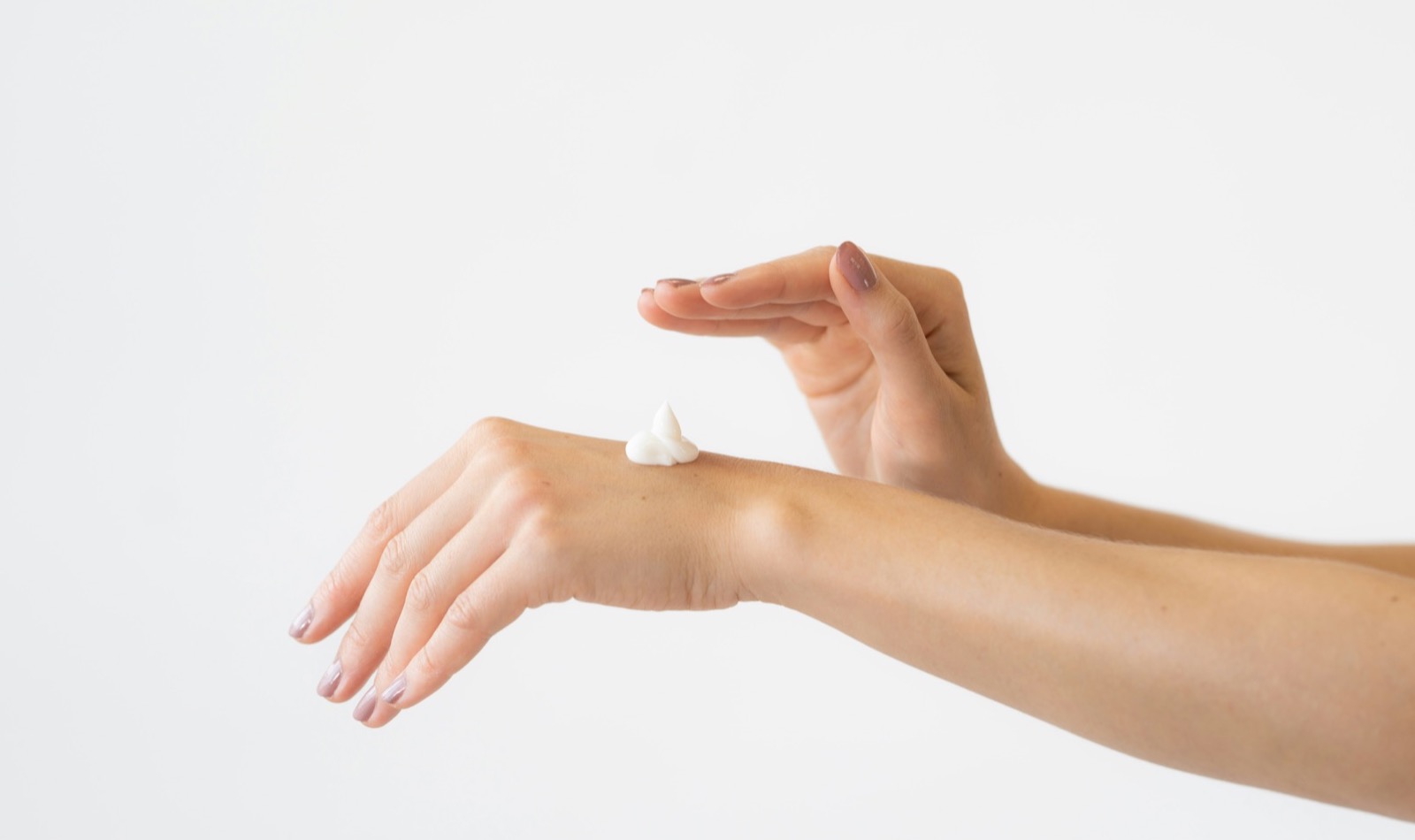
Press, Do Not Rub (Hand Press): Place flat palms onto your cheeks, forehead, chin, and neck. Gently press and hold for 3 seconds in each zone. Smooth outward with a single featherlight sweep—avoid circular rubbing or aggressive buffing.
Allow 60 to 90 Seconds to Set: Give the formula a full minute to absorb and set into an invisible veil. Once your skin feels smooth and dry to the touch, you can apply your daily broad-spectrum sunscreen and makeup without any risk of pilling.
Choosing the Right All-in-One Gel for Your Skin Type
Because all-in-one gels serve diverse skin conditions, Japanese manufacturers formulate distinct sub-categories. Selecting a formula tailored to your barrier requirements ensures optimal results.
Conclusion: Select oil-free [quasi-drug](/en/how-japan-works/japanese-quasi-drug-skincare-explained) gels with licorice actives for oily or blemish-prone complexions, rich ceramide-infused gels for dry skin, and SPF-infused formulas for morning routines.
1. For Oily and Blemish-Prone Skin
Combination and oily skin types require fluid moisture without pore-clogging heaviness. When oily skin is stripped of moisture, the sebaceous glands overcompensate by pumping out additional sebum.
According to clinical dermatology research from the American Academy of Dermatology, when your skin becomes dry, your body makes more oil. The extra oil can clog your pores, which may lead to more breakouts. The right moisturizer can prevent your skin from becoming dry and irritated[3].
What to Look For: Water-based gel formulas labeled oil-free or featuring soothing quasi-drug actives like dipotassium glycyrrhizate or tranexamic acid. These provide refreshing hydration that calms surface redness without clogging follicular openings.
2. For Dry and Mature Skin
If your barrier suffers from chronic flaking or fine dry lines, standard light water gels may feel insufficient by midday.
What to Look For: Look for "Rich" (shittori or rich) all-in-one gel-creams fortified with pseudo-ceramides, plant squalane, collagen peptides, and fermented soymilk extracts. These formulations integrate micro-emulsified oil capsules that provide true occlusive protection while maintaining a spreadable gel vehicle.
3. For Morning Daytime Routines (UV All-in-One Gels)
Morning all-in-one gels often include broad-spectrum UV filters (SPF 50+ PA++++), functioning as a lotion, milk, and daily sunscreen in a single container. These daytime gels streamline morning prep significantly, making consistent sun protection effortless.
Signs to Stop and When to See a Doctor
While authentic Japanese all-in-one gels are formulated to be gentle and non-clogging to pores, individual allergies to specific preservatives, botanical extracts, or thickeners can occur.
Discontinue Use If You Experience:
Persistent stinging, burning, or sudden heat sensations upon application.
Diffuse redness, swelling, or itchy hives characteristic of contact allergic dermatitis.
An increase in tiny whiteheads or closed comedones across oily zones, indicating formula heaviness for your specific skin type.
When to Consult a Board-Certified Dermatologist:
If redness, burning sensations, or rashes persist longer than 48 hours after stopping the product.
If you have an underlying inflammatory skin condition (such as rosacea, eczema, or active cystic acne) that flares following product application.
If you suspect an allergic reaction to specific polymer thickeners or cosmetic preservatives and require patch testing.
Always perform a 24-hour patch test behind your ear or on your inner forearm before applying any new skincare product over your entire face.
Summary: Key Principles for All-in-One Gels
Multi-Functional Convenience: A Japanese all-in-one gel consolidates lotion, serum, emulsion, cream, and pack into one lightweight hydrogel step.
Polymer Moisture Delivery: Cross-linked carbomer networks hold high concentrations of humectants and micro-lipids, releasing hydration without heavy residue.
Minimize Skin Friction: Reducing your routine to a single product step minimizes twice-daily mechanical rubbing, supporting fragile skin barriers.
Prevent Pilling with Gentle Pressing: Press the gel onto damp skin using flat palms rather than rubbing, and allow 60 to 90 seconds to set before applying sunscreen or foundation.
Match Formulation to Skin Needs: Choose water-based quasi-drug gels for oily or redness-prone skin, and ceramide-rich gel-creams for dry skin.
FAQ
Q1. Can a Japanese all-in-one gel truly replace my night cream?
A. Yes, for most normal, combination, and oily skin types, a quality all-in-one gel provides ample barrier protection for overnight hydration. (Details)
Yes, for most normal, combination, and oily skin types, a quality all-in-one gel provides ample barrier protection for overnight hydration. If you have severely dry skin or sleep in a heavily air-conditioned or heated bedroom, you can apply a second thin layer before bed as a sleeping mask, or dab a few drops of pure squalane oil over your dry cheeks.
Q2. How do I prevent my all-in-one gel from pilling under makeup?
A. Pilling happens when setting polymers are rubbed mechanically or clash with heavy silicones. (Details)
Pilling happens when setting polymers are rubbed mechanically or clash with heavy silicones. To avoid this, use only an almond-sized amount, press the gel into your face with flat palms rather than buffing in circles, and wait 60 to 90 seconds for the gel matrix to set into a dry touch before applying sunscreen or foundation.
Q3. Can I use a hydrating toner lotion before an all-in-one gel?
A. Yes. While an all-in-one gel is designed to function alone, many skincare enthusiasts apply a watery hydrating lotion (keshosui) first during dry winter months. (Details)
Yes. While an all-in-one gel is designed to function alone, many skincare enthusiasts apply a watery hydrating lotion (*keshosui*) first during dry winter months. The lotion saturates surface layers with extra water, while the all-in-one gel locks it all in place.
Q4. Are Japanese all-in-one gels suitable for acne-prone skin?
A. Yes, especially oil-free hydrogel variants. (Details)
Yes, especially oil-free hydrogel variants. Lightweight all-in-one gels hydrate without depositing heavy comedogenic waxes, preventing the surface dehydration that often triggers excess rebound oiliness. Look for formulations containing dipotassium glycyrrhizate to help soothe redness around blemishes.
Q5. What is the difference between a morning UV all-in-one gel and a night gel?
A. Morning UV all-in-one gels contain broad-spectrum UV filters (typically SPF 50+ and PA++++) alongside moisturizers, serving as a lotion, emulsion, and sunscreen in one. (Details)
Morning UV all-in-one gels contain broad-spectrum UV filters (typically SPF 50+ and PA++++) alongside moisturizers, serving as a lotion, emulsion, and sunscreen in one. Night or standard all-in-one gels contain higher concentrations of restorative emollients and barrier lipids, without UV filters, making them suitable for 24-hour hydration.
Disclaimer: This article is for general information and education about Japanese cosmetics and their labels. It is not a substitute for professional medical advice, diagnosis, or treatment. Skincare results vary from person to person. Product formulas, availability, prices, and regulations change, and products sold in Japan can differ from versions sold elsewhere, so always check the current label. Do a patch test before introducing a new product, and consult a doctor or dermatologist if you have a skin condition or specific concerns.