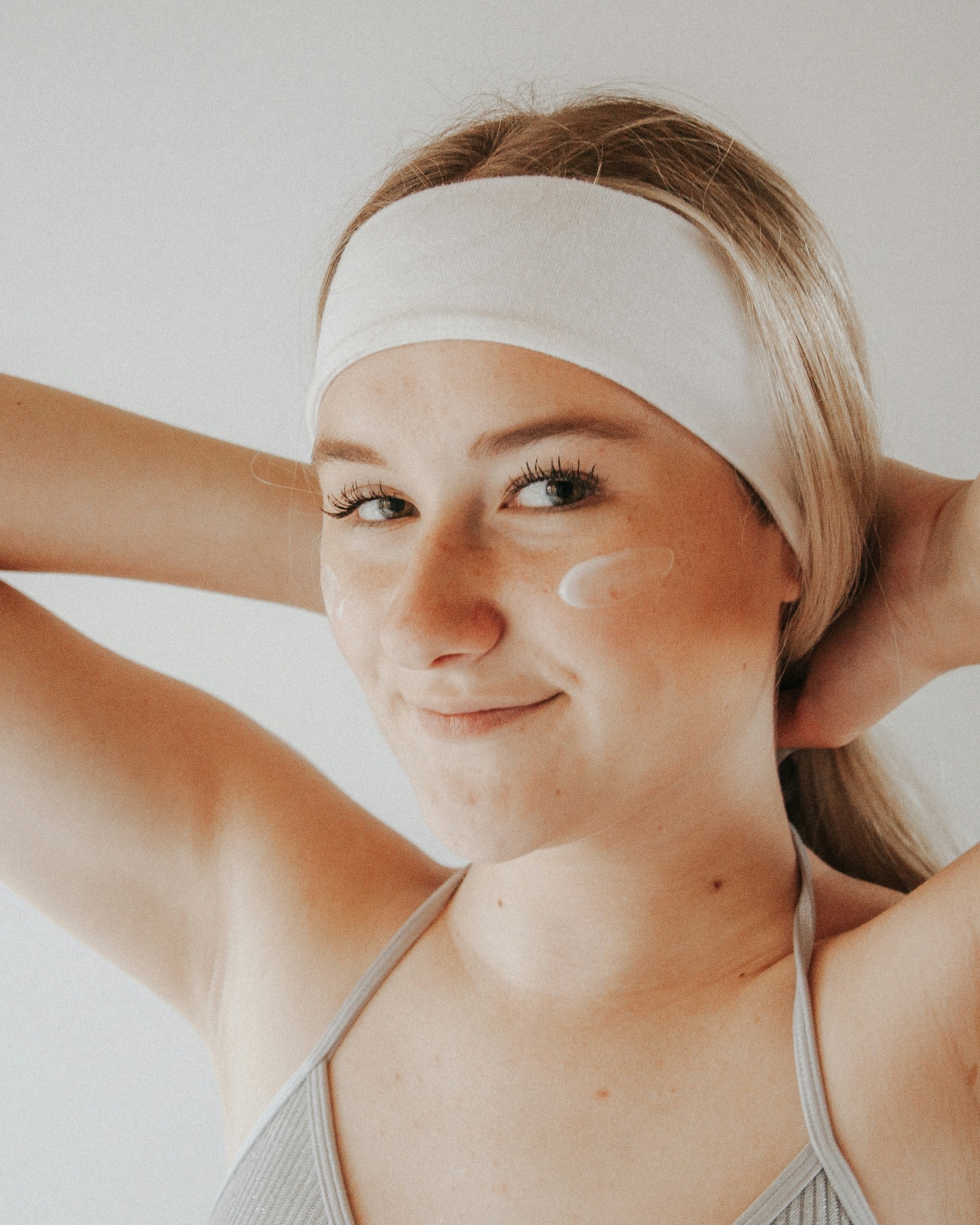
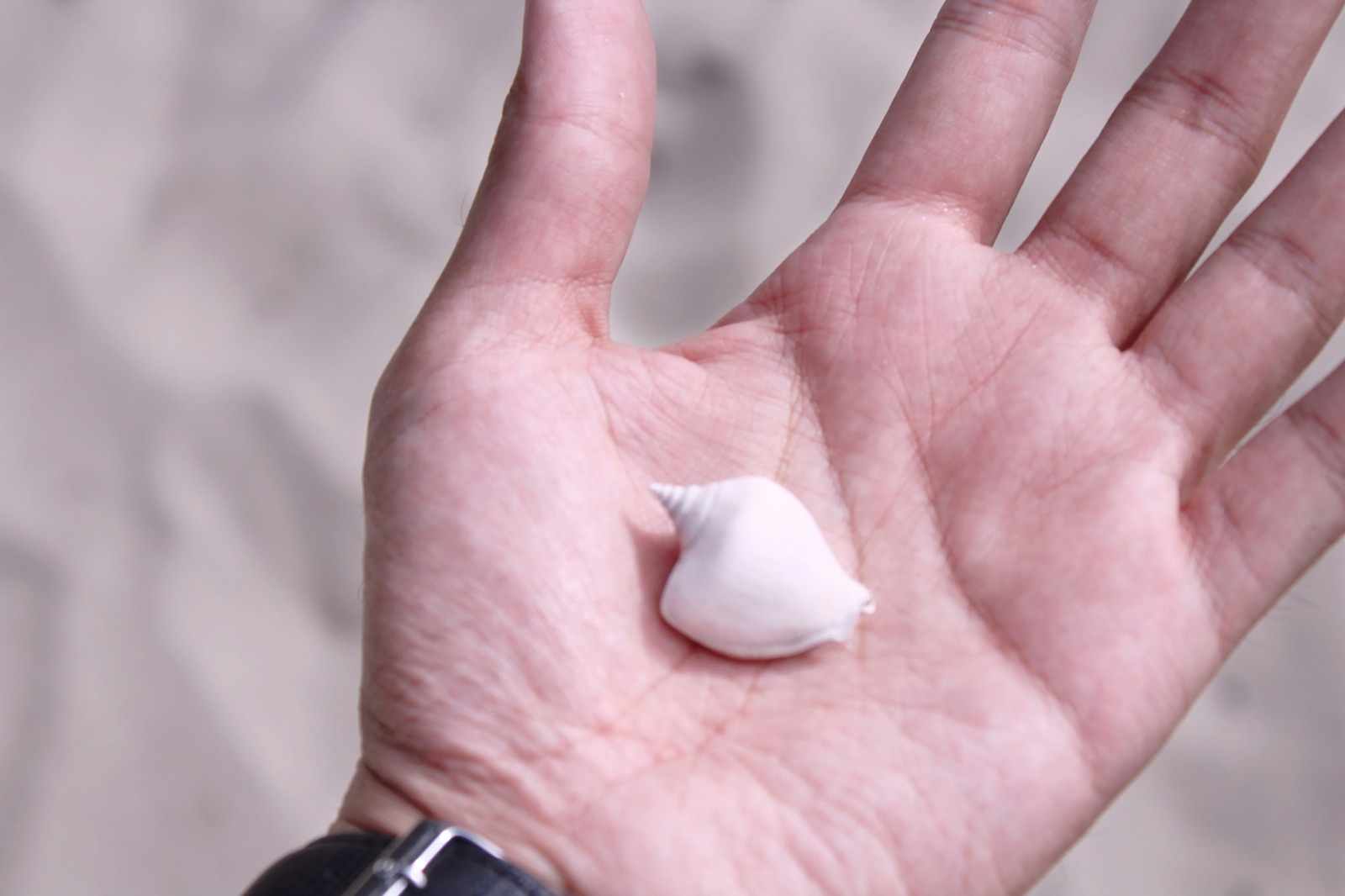
Wearing daily sun protection underneath cosmetics is essential for healthy skin, yet it frequently causes cosmetic frustration. When foundation pills into tiny rolls, clings to dry patches, or separates into greasy streaks before midday, finding the best Japanese sunscreen under makeup becomes an urgent priority.
In traditional Western routines, sunscreen and makeup primer are approached as two separate, often conflicting steps. Heavy mineral creams or greasy chemical oils clash with foundation polymers, creating cakey buildup. Japanese cosmetic chemistry approaches sun protection from the opposite perspective: daily UV defense is intentionally engineered to enhance, rather than disrupt, cosmetic application.

Quick answer: The best Japanese sunscreen under makeup functions as a dedicated cosmetic primer (keshou shitaji). Formulated with lightweight water-based micro-emulsions or soft-focus powders, Japanese UV formulas hydrate the skin without greasy oils, allowing liquid, cream, and cushion foundations to glide smoothly and adhere evenly for hours without pilling.
Why Japanese Sunscreens Double as Makeup Primers
In Japanese beauty terminology, a makeup base is called keshou shitaji. Rather than marketing sun protection purely for beach days, Japanese beauty brands design facial sunscreens with primer qualities built directly into the formula.
As the official product guide for Canmake Mermaid Skin Gel UV explains, their formulation serves as a moisturizing make-up base with UV protection that infuses your skin with moisture, helping your foundation to sit better and last longer[1]. When the skin's surface is evenly hydrated by humectants like hyaluronic acid and soluble collagen, liquid foundation glides smoothly without catching on dehydrated areas.
Furthermore, Japanese manufacturers utilize advanced dispersion engineering to ensure the sunscreen film is completely uniform. Kao's official documentation highlights that their micro defense UV protection provides even UV protection for skin, fine lines, and uneven surfaces at a micro level[3]. Because the protective veil forms an ultra-thin, flexible network over facial contours, foundation pigments rest evenly on top of the barrier rather than pooling in pores.
Why Foundation with SPF Cannot Replace Standalone Sunscreen
Many consumers wonder whether applying a standalone sunscreen is necessary if their foundation, BB cream, or tinted moisturizer already lists an SPF rating.
Dermatologists are emphatic on this point: cosmetic makeup alone cannot provide adequate photoprotection. According to the American Academy of Dermatology, some moisturizers and cosmetics have SPF, but while these products are convenient, remember that sunscreen needs to be reapplied approximately every two hours when you are outdoors[2].
The primary issue is application density. Sunscreen SPF ratings are determined in clinical laboratories based on a standard application thickness of 2 milligrams per square centimeter of skin. For the human face, this translates to roughly one-fourth to one-third of a teaspoon (the length of two full fingers). If you attempted to apply that much pigmented foundation or concealer, your makeup would look unnaturally thick, cakey, and mask-like.
Layering a lightweight Japanese sunscreen no white cast formula beneath your foundation ensures you receive full, tested UV defense while allowing you to apply only as much makeup as you cosmetically desire.
How to Choose by Finish: Essence, Milk, and Tone-Up
Selecting the ideal formula depends on your skin type, climate, and the foundation texture you wear daily.
Scroll horizontally to view full table
| Sunscreen Category | Cosmetic Finish | Ideal Foundation Pairing | Ideal Skin Profile |
|---|---|---|---|
| Watery Essence / Gel | Dewy, plump, freshly hydrated glow | Lightweight liquid tint, serum foundation, or powder | Dry, normal, or dehydrated combination skin |
| UV Milk (Emulsion) | Soft-focus satin or velvety matte | Cushion compact, long-wear matte foundation | Oily, acne-prone, or humid summer conditions |
| Tone-Up Base | Color-corrected, luminous brightness | Sheer concealer or light BB cream | Dull, sallow, or redness-prone complexions |