Best Japanese Hydrating Toner Lotion: How to Choose by Type
HydrationBy Miho Tanaka
title: Best Japanese Hydrating Toner Lotion: How to Choose by Type
meta_description: Looking for the best Japanese hydrating toner lotion? Discover how keshosui textures, multi-weight hyaluronic acid, and ceramides quench dry skin daily.
affiliate: false
Best Japanese Hydrating Toner Lotion: How to Choose by Type
If you have ever explored the Japanese skincare aisle, you have likely noticed that finding the best Japanese hydrating toner lotion for your routine involves understanding an entirely different philosophy of hydration.
While Western beauty routines often view toner as an astringent cleansing step, Japanese skincare regards hydrating lotion—known locally as keshosui—as the essential water-delivery foundation of healthy-looking skin. Instead of stripping oils or tightening pores with alcohol, Japanese hydrating lotions flood the outermost skin layers with water-binding humectants, plumping surface fine lines and preparing your skin barrier to absorb subsequent serums and emulsions.
Quick answer: The best Japanese hydrating toner lotion for your skin depends on balancing humectant molecular weights and vehicle texture. Dry and compromised skin barriers benefit from rich, essence-like lotions packed with multi-molecular hyaluronic acids, ceramides, and fermented rice filtrates. Normal, oily, and acne-prone skin types thrive with lightweight, watery lotions featuring dipotassium glycyrrhizate, amino acids, and green tea extracts. Regardless of viscosity, authentic Japanese lotions prioritize gentle, alcohol-free formulations that deliver deep hydration without astringent tightness.
What Is a Japanese Hydrating Toner Lotion (Keshosui)?
To choose an effective formula, it helps to understand why the Japanese definition of "lotion" diverges so dramatically from Western terminology.
Conclusion: In Japanese cosmetics, a lotion (*keshosui*) is a watery liquid designed to saturate the stratum corneum with moisture immediately after cleansing. It acts as a moisture primer, allowing subsequent creams and emulsions to spread evenly and seal hydration within the skin.
In Western skincare, the word "lotion" usually describes a medium-weight moisturizing cream packaged in a pump bottle. In Japan, however, creamy emulsions are termed nyuueki, while the word "lotion" refers exclusively to keshosui—a watery, crystal-clear or slightly viscous liquid applied directly after washing your face.
Japanese cosmetic chemists view dehydrated skin cells like a dried sponge: applying a heavy cream directly onto dry, stiff skin results in uneven absorption and greasy surface buildup. By first saturating the stratum corneum with a water-based lotion, you soften the surface and create microscopic water channels that draw subsequent lipid-rich formulas deeper into the epidermal barrier.
Dermatological research highlights the importance of timing in skin hydration. As recommended by the American Academy of Dermatology, be sure to apply your moisturizer when your skin is still damp after taking a shower or bath, after washing your hands, and when your skin feels dry[1]. Applying your Japanese hydrating lotion immediately after patting your face dry preserves this natural moisture window.
Key Humectants and Barrier Ingredients to Look For
Japanese hydrating lotions derive their performance from sophisticated combinations of water-binding humectants, skin-identical lipids, and soothing botanical extracts.
Conclusion: Modern Japanese lotions combine multi-molecular-weight hyaluronic acids to hydrate both superficial and deeper surface layers, complemented by barrier [ceramides](/en/ingredients/pseudo-ceramides-vs-human-identical-ceramides-japan), amino acids, and gentle soothing botanical derivatives.
1. Multi-Molecular Hyaluronic Acid
Hyaluronic acid is a star humectant capable of binding up to 1,000 times its weight in water. However, standard macro-sized hyaluronic acid molecules sit strictly on the outermost surface. Leading Japanese brands formulate with blends of varying molecular sizes:
Macro Hyaluronic Acid (Sodium Hyaluronate): Forms a protective, breathable water film over the skin surface to reduce trans-epidermal water loss.
Super Hyaluronic Acid (Sodium Acetylated Hyaluronate): Possesses both lipophilic and hydrophilic properties, anchoring securely to surface keratin cells to hold moisture twice as long as standard forms.
Nano Hyaluronic Acid (Hydrolyzed Hyaluronic Acid): Submicron fragments that pass smoothly through microscopic skin crevices to hydrate surface layers.
In official product documentation, Rohto Mentholatum's Hada Labo Tokyo explains that with our Super Hyaluronic Acid, your skin gets a unique blend of 3 types of Hyaluronic Acid to provide deeper, multi-layer hydration, increasing the skin’s levels of moisture dramatically[2].
2. Fermented Filtrates and Amino Acids
Japanese lotions frequently harness natural fermentation byproducts, such as sake lees extract (kouji), fermented rice filtrate, and galactomyces. These fermented broths naturally contain an abundance of amino acids, peptides, and minerals that mimic your skin's Natural Moisturizing Factor (NMF), improving elasticity and surface smoothness.
3. Barrier-Supportive Lipids and Soothers
For reactive or sensitive complexions, look for formulas enriched with:
Human-Type and Pseudo-Ceramides: Reinforce the intercellular lipid matrix to prevent moisture from evaporating.
Dipotassium Glycyrrhizate (Kanzou Ekisu): A licorice-derived active regulated under the Japanese quasi-drug system that calms surface redness and irritation.
Squalane: A lightweight facial oil often emulsified into richer lotions to impart a soft finish without clogging pores.
Comparing Lotion Types: Light Watery vs Rich Essence Formulas
Japanese skincare brands typically offer their flagship hydrating lotions in at least two distinct textural variations: Sappari (light, refreshing) and Shittori (rich, essence-like). Selecting between them depends on your skin type, climate, and personal texture preference.
Conclusion: Light watery (*sappari*) formulas provide weightless, rapid-absorbing hydration suitable for oily or acne-prone skin, while rich (*shittori*) formulas offer cushiony, serum-like moisture ideal for dry or mature complexions.
Scroll horizontally to view full table
Lotion Classification
Texture & Viscosity
Key Active Ingredients
Recommended Skin Types
Light Watery (*Sappari*)
Pure water-like fluid; absorbs within seconds with zero tacky residue.
Dull, rough texture, uneven tone, and full-body hydration.
To understand how to seal these hydrating layers effectively with an oil-in-water emulsion, explore our comparative guide on Japanese emulsion vs moisturizer.
How to Apply Japanese Hydrating Lotion for Maximum Absorption
The method used to apply your hydrating lotion significantly influences how effectively your skin absorbs the product. Japanese beauty culture emphasizes gentle, friction-free techniques over aggressive rubbing.
Conclusion: Dispense lotion into your palms and gently press it into your face using warm hands. For dehydrated skin, layer the lotion multiple times or apply a 3-minute cotton lotion mask.
1. The Palm Press Technique (Hand-Press)
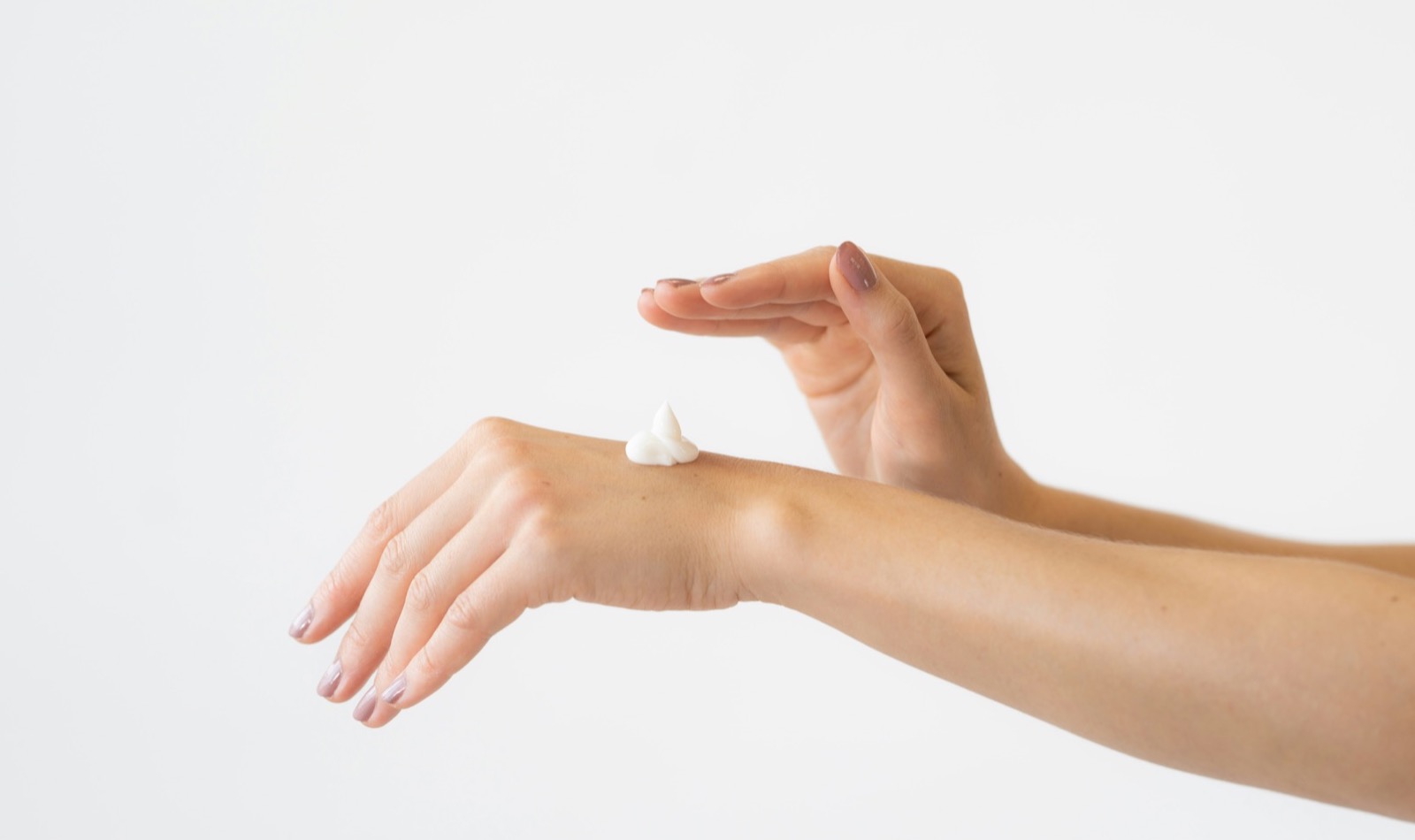
Rather than soaking a cotton pad and swiping it across your face—which can create mechanical friction on sensitive skin—dispense a nickel-to-quarter-sized amount of lotion directly into the cupped palm of one hand. Rub your palms together briefly to warm the liquid, then gently press your hands over your cheeks, forehead, chin, and neck. Hold your palms in place for 3 to 5 seconds to allow body warmth to encourage absorption.
2. The Multi-Layer Method
If your skin feels parched or tight throughout the day, apply your lotion in multiple lightweight coats. After the first layer absorbs, dispense a smaller second amount and press it into targeted dry zones. Layering allows humectants to saturate the stratum corneum gradually without creating a heavy or sticky film. Learn more about this ritual in our dedicated guide to the Japanese lotion layering method.
3. The DIY Cotton Lotion Pack (Lotion Mask)
For an intensive hydration boost before a special event, saturate several thin, unbleached peelable cotton pads with a lightweight Japanese lotion. Peel the cotton into transparent sheets and drape them over your cheeks, forehead, and chin for 3 minutes. This compress technique slows evaporation and floods dehydrated cells with moisture. Always remove the cotton while it remains damp.
Why Japanese Lotions Differ from Western Astringent Toners
Consumers accustomed to Western skincare are often surprised that Japanese hydrating lotions do not produce a stinging, "pore-tightening" sensation. This reflects a fundamental divergence in formulation objectives.
Conclusion: Western toners historically relied on alcohol and astringents to strip residual sebum, whereas Japanese lotions are water-binding humectant infusions designed to preserve surface moisture balance.
Traditional Western toners were formulated to balance pH and remove soap scum left behind by alkaline bar soaps, relying heavily on alcohol, witch hazel, or clarifying salicylic acid. However, dermatologists caution that stripping the skin surface can compromise barrier integrity. As noted in clinical guidance from the American Academy of Dermatology, avoid products that can irritate your skin, including astringents, toners, and exfoliants. These products can dry your skin and make acne appear worse[3].
Japanese formulators design keshosui as a nourishing water bath rather than a clarifying solvent. By avoiding harsh astringents and incorporating skin-identical humectants, Japanese lotions maintain the skin's natural moisture equilibrium. For a detailed breakdown of these differences, read our full analysis on Japanese lotion vs Western toner.
Signs to Stop and When to See a Doctor
While authentic Japanese hydrating lotions are widely celebrated for their gentle, non-irritating profiles, individual sensitivities to specific botanical extracts, preservatives, or high humectant concentrations can occasionally occur.
Discontinue Use If You Notice:
Persistent stinging, prickling, or heat sensations lasting longer than five minutes after application.
Widespread facial redness, hives, or itchy raised welts characteristic of an allergic reaction.
Clusters of tiny red bumps (contact dermatitis) or sudden rough, scaly patches around the mouth and eyes.
Sudden breakout flares caused by heavy botanical oils or rich esters in overly occlusive formulations.
When to Consult a Board-Certified Dermatologist:
If inflammatory redness, burning, or swelling fails to resolve within 48 to 72 hours of discontinuing product use.
If you have an active inflammatory barrier condition, such as rosacea, atopic dermatitis, or perioral dermatitis, that flares in response to topical humectants.
If you require professional diagnostic patch testing to identify specific allergens, such as paraben preservatives, phenoxyethanol, or botanical fragrance oils.
Always perform a 24-hour patch test on your inner forearm or beneath your jawline prior to introducing a new hydrating lotion to your entire face.
Summary: Key Principles for Choosing Your Ideal Lotion
Identify Your Texture Preference: Opt for light watery (sappari) lotions for oily, acne-prone skin, or rich essence (shittori) formulas for dry, parched barriers.
Seek Multi-Weight Humectants: Look for blends containing multiple forms of hyaluronic acid, amino acids, and fermented rice filtrates for balanced hydration.
Emphasize Gentle Application: Press lotion into clean skin using warm palms rather than rubbing aggressively with textured cotton pads.
Layer for Custom Moisture: Apply two to three thin coats sequentially to target seasonal dryness or air-conditioned dehydration.
Always Seal with an Emulsion: Watery lotions provide hydration, but an emulsion or cream is essential to lock moisture inside the barrier and prevent evaporation.
FAQ
Q1. Can I use a Japanese hydrating lotion without an emulsion or moisturizer?
A. No. Hydrating lotions are formulated with water-soluble humectants that bind moisture. (Details)
No. Hydrating lotions are formulated with water-soluble humectants that bind moisture. Without an occlusive or emollient layer (such as a Japanese *nyuueki* emulsion or facial cream) on top, the water introduced by the lotion can evaporate into dry air, potentially leaving your skin drier than before.
Q2. Is a watery lotion better for acne-prone skin than a rich essence lotion?
A. Generally, yes. Watery (sappari) lotions hydrate the skin with lightweight, oil-free humectants and often include skin-calming actives like dipotassium glycyrrhizate that comfort blemishes without clogging pores. (Details)
Generally, yes. Watery (*sappari*) lotions hydrate the skin with lightweight, oil-free humectants and often include skin-calming actives like dipotassium glycyrrhizate that comfort blemishes without clogging pores. Richer essence lotions may contain heavier glycols or small amounts of plant oils that can feel occlusive on oily skin.
Q3. How many layers of hydrating lotion should I apply?
A. For daily morning and evening care, one to two generous layers are usually sufficient. (Details)
For daily morning and evening care, one to two generous layers are usually sufficient. If your skin is experiencing seasonal flaking or dehydration from travel, applying three thin layers sequentially can replenish surface suppleness without heaviness.
Q4. What is the difference between sappari and shittori on Japanese labels?
A. Sappari translates to "light" or "refreshing," indicating a water-thin consistency that absorbs instantly without tackiness. (Details)
*Sappari* translates to "light" or "refreshing," indicating a water-thin consistency that absorbs instantly without tackiness. *Shittori* translates to "rich" or "moist," indicating a slightly denser, serum-like texture that provides longer-lasting surface hydration.
Q5. Can I apply Japanese lotion around the delicate eye area?
A. Yes. Because most Japanese hydrating lotions are alcohol-free and fragrance-free, they can be gently pressed across the eye contour to soften fine lines caused by surface dehydration. (Details)
Yes. Because most Japanese hydrating lotions are alcohol-free and fragrance-free, they can be gently pressed across the eye contour to soften fine lines caused by surface dehydration. However, avoid getting the fluid directly into the eyes.
Disclaimer: This article is for general information and education about Japanese cosmetics and their labels. It is not a substitute for professional medical advice, diagnosis, or treatment. Skincare results vary from person to person. Product formulas, availability, prices, and regulations change, and products sold in Japan can differ from versions sold elsewhere, so always check the current label. Do a patch test before introducing a new product, and consult a doctor or dermatologist if you have a skin condition or specific concerns.