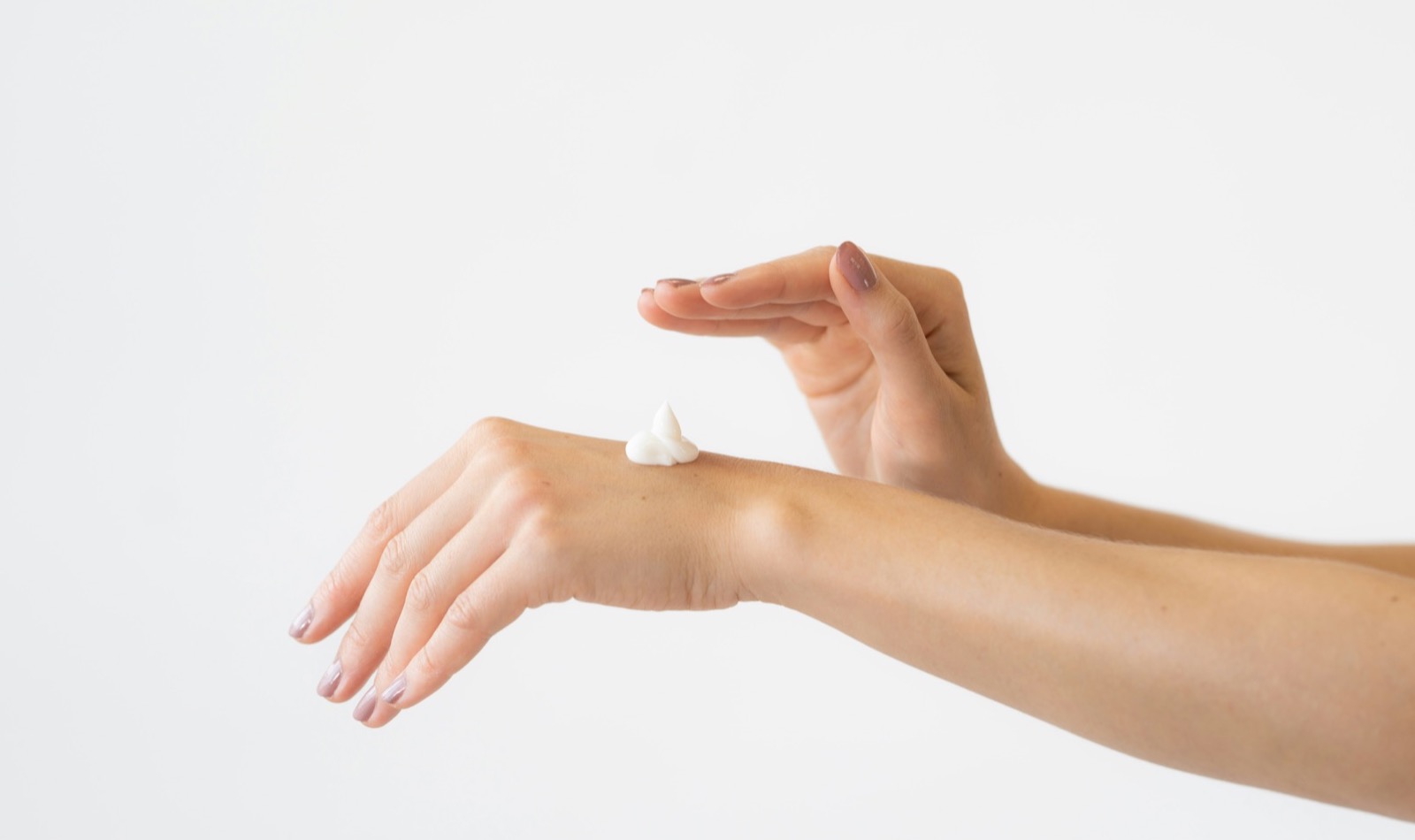
In Western beauty routines, applying toner is usually a quick, single swipe with a cotton pad to clarify or remove residual dirt. In contrast, Japanese beauty (J-Beauty) regards the hydrating lotion step (keshosui) as the vital core of skin conditioning (hadazukuri).
Rather than splashing on a large puddle of liquid all at once, Japanese beauty specialists practice lotion layering—the deliberate technique of applying watery lotion in small, controlled amounts across multiple steps. This method transforms parched skin into a soft, bouncy canvas without the greasy weight of heavy ointments.
Whether you follow a streamlined minimalist Japanese skincare routine or an elaborate regimen, mastering the lotion layering method ensures that every drop of hydration is absorbed effectively.

Quick answer: The Japanese lotion layering method involves applying two to three successive micro-layers of hydrating watery lotion (keshosui) using a gentle palm-press technique (hand-press). By letting each thin layer absorb for 15 to 20 seconds before applying the next, you deeply saturate the stratum corneum without heavy friction or product waste. Crucially, the ritual concludes with an immediate lipid seal—such as a lightweight Japanese emulsion (nyuueki)—to lock in moisture and protect native ceramides.
The Philosophy of Lotion Layering: Quenching the Stratum Corneum
To understand why layering works, consider the physical structure of your skin. The outermost layer of your skin, the stratum corneum, functions much like a dry kitchen sponge. If you dump a cup of water over a hardened sponge, most of the liquid simply rolls off the sides. However, if you sprinkle a few drops and gently press, the sponge softens and becomes receptive to deeper moisture.
The same biological dynamic applies to your skin. When you apply one large handful of lotion, the excess tends to drip down your hands or evaporate before the stratum corneum can bind it. By applying lotion in two or three thin micro-layers, each subsequent layer absorbs more easily into the softened keratinocytes.
Japanese skincare regimens always prioritize sequence and viscosity. As explained by Rohto Pharmaceutical's Hada Labo Tokyo formulation team, a successful regimen relies on:
"starting with the lightest weight product."[1]
Starting with a watery lotion delivers fast-absorbing humectants—such as hyaluronic acid, amino acids, and glycerin—directly to thirsty epidermal cells before heavier emollients are introduced. If you are unfamiliar with the difference between astringent toners and hydrating waters, consult our breakdown of Japanese lotion vs Western toner.
Step-by-Step: The Classic Japanese Palm-Press Technique (Te-ate)
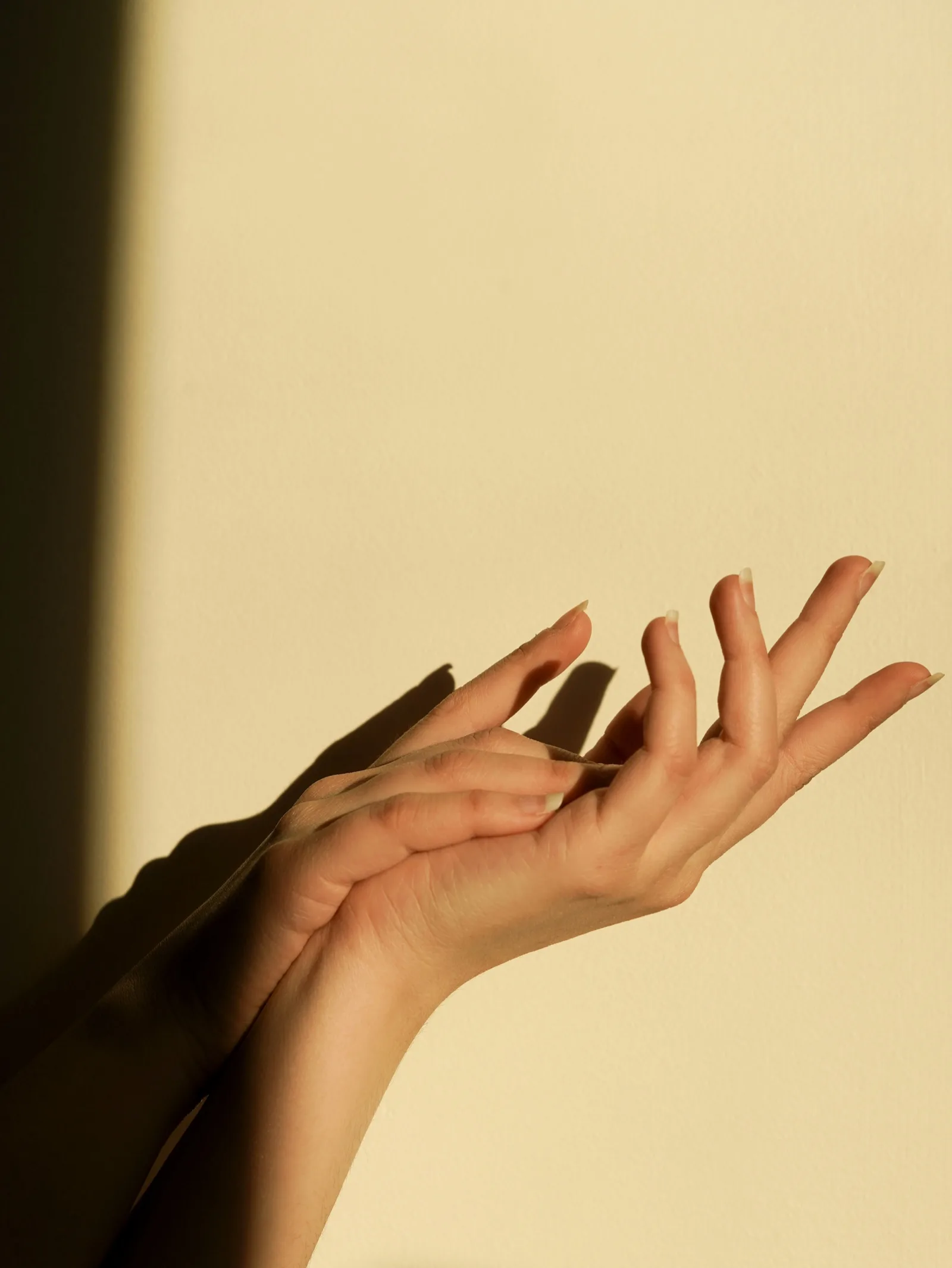
The traditional Japanese method for applying lotion is known as hand-press or te-ate (literally "applying hands"). It relies on the natural warmth of your palms and gentle pressure rather than aggressive rubbing or slapping.
Step 1: Dispense a Coin-Sized Amount
Pour 3 to 5 drops (roughly the size of a five-yen coin) of hydrating lotion into the palm of one hand. Do not pour an excessive amount; small portions ensure complete absorption and prevent wasteful spillage.
Step 2: Warm and Distribute Between Palms
Gently bring your palms together to spread the liquid across your fingers and hands. The slight body warmth of your hands helps reduce the surface tension of the lotion, allowing it to spread evenly across your face.
Step 3: Press Gently from Center Outward
Instead of rubbing, press your flat palms against your cheeks, forehead, and chin. Hold your palms in place for 3 to 5 seconds per area. Move gently from the center of your face outward toward your temples. This friction-free motion (mimasatsu) avoids tugging delicate facial tissue.
Step 4: Pause for 15 to 20 Seconds
Give the lotion a brief moment to absorb into the stratum corneum. The skin should feel moist and refreshed, but not dripping wet.
Step 5: Repeat 1 to 2 Times
Dispense another 3 to 4 drops and repeat the palm-press motion. As you apply the second or third layer, you will notice your skin becoming progressively plumper.
The "Suction Test" (Kyuuchaku)
How do you know when your skin is adequately hydrated? Perform the classic Japanese kyuuchaku test: gently place your flat palms against both cheeks and slowly pull them away. If your palms cling slightly to your cheeks with a soft, gentle suction and your skin feels cool and cushiony, you have reached optimal hydration saturation.
When selecting a lotion for layering, look for soothing formulations that do not contain denatured alcohol. As noted in clinical guidance from the American Academy of Dermatology:
"Use gentle skin care products and ones that say “alcohol-free” on the label."[5]
The Lotion Pack Method: The 3-Minute Japanese DIY Mask
On days when your barrier feels especially parched from seasonal transitions, air conditioning, or sun exposure, you can enhance your layering ritual with a lotion pack (rooshon pakku). Popularized by renowned Japanese beauty authorities, this method delivers the intensive benefits of a sheet mask using your regular daily lotion.
How to Create a Japanese Cotton Pack
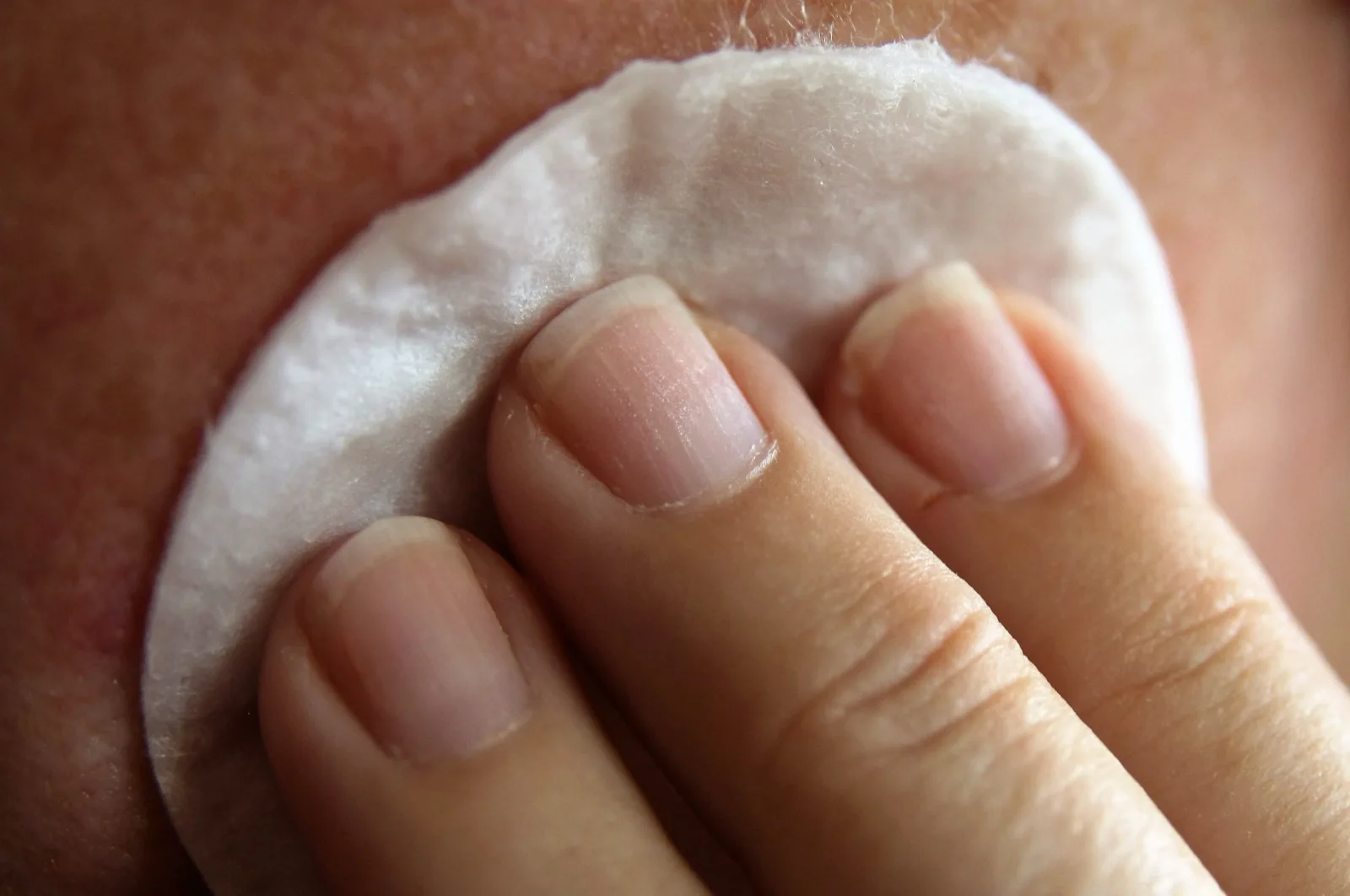
- Choose Peelable Multi-Layer Cotton: Pick high-grade Japanese facial cotton pads designed to be peeled into thin layers (often 4 or 5 plies).
- Saturate Thoroughly: Moisten the cotton pad with pure water or hydrating lotion until it is completely soaked. Press gently between your palms to ensure uniform saturation without dripping.
- Peel into Thin Sheets: Carefully separate the saturated pad into 4 or 5 translucent sheets.
- Stretch and Apply: Gently stretch each thin sheet horizontally and apply them across your forehead, cheeks, nose, and chin.
- Leave for Exactly 3 Minutes: Remove the cotton sheets after 3 minutes while they are still moist. Never let cotton pads dry out completely on your skin, as dry fibers can absorb moisture back from the epidermal surface.
- Pat Remaining Liquid: Lightly press the residual lotion into your face and neck.
The lotion pack method creates an occlusive moisture reservoir that increases the hydration level of the stratum corneum within minutes, making it a staple technique in both morning and night Japanese skincare routines.
Japanese Layering (2–3 Layers) vs Korean 7-Skin Method
In recent years, the Korean "7-skin method"—applying toner seven times consecutively—gained widespread international attention. While both philosophies champion deep hydration, the traditional Japanese approach differs significantly in intensity and philosophy:
Scroll horizontally to view full table
| Feature | Japanese Lotion Layering | Korean 7-Skin Method |
|---|---|---|
| Number of Layers | 2 to 3 thin, intentional micro-layers | 7 consecutive layers of toner |
| Application Philosophy | Friction-free palm pressing (mimasatsu) until comfortable saturation | Gradual product saturation to create glassy reflectivity |
| Potential Barrier Risk | Minimal; reduces mechanical manipulation and product overload | Higher risk of sensitizing skin due to repetitive rubbing and preservative accumulation |
| Immediate Next Step | Essential milky emulsion (nyuueki) to lock in ceramides | Optional light gel cream or lightweight moisturizer |
| Ideal Skin Profiles | Suitable for all types, especially sensitive and reactive barriers | Normal to resilient combination skin; can overwhelm sensitive skin |