Niacinamide in Japanese Quasi-Drugs: Science & Dual Action
IngredientsBy Miho Tanaka
title: Niacinamide in Japanese Quasi-Drugs: Science & Dual Action
meta_description: Explore Niacinamide in Japanese Quasi-Drugs. Learn how this multi-tasking active earns official clearance for wrinkle improvement and dark spot prevention.
affiliate: false
Niacinamide in Japanese Quasi-Drugs: Science & Dual Action
Niacinamide (vitamin B3) has become a global staple in contemporary skincare, celebrated for its versatility across almost every cosmetic category. Yet while Western brands frequently market high-percentage megadoses aimed at pore tightening, Japan approaches this molecule with a distinctly clinical reverence. In Japanese regulatory science, Niacinamide (officially designated as Nicotinic Acid Amide or Nikochin-san Amido) is one of the rare actives granted Dual Quasi-Drug Clearance: legally validated by the Ministry of Health, Labour and Welfare (MHLW) for both Wrinkle Improvement (shiwa kaizen) and Dark Spot Prevention (shimi-sobakasu wo fusegu).
Quick answer: In Japan, Niacinamide holds elite status as a dual-action Quasi-Drug (Iyakubugaihin) active ingredient. Rather than relying on aggressive concentrations that risk skin flushing, Japanese laboratories formulate niacinamide at an optimal 2% to 5% concentration. At this physiological level, it stimulates dermal collagen synthesis to smooth expression lines, inhibits melanosome transfer to prevent sun spots, and upregulates natural ceramide synthesis to reinforce moisture retention without redness or irritation.
The Dual-Action Phenomenon: Why Japan Reveres Niacinamide
Conclusion: In 2018, Japanese regulators cleared Niacinamide for wrinkle improvement alongside its established brightening status, creating a powerhouse dual active.
Japan's Pharmaceutical and Medical Devices Act (PMD Act) enforces one of the world's most rigorous cosmetic oversight systems. Products fall into either general Cosmetics (keshohin)—which are limited to surface hydration—or government-cleared Quasi-Drugs (iyakubugaihin), which can legally advertise specific physiological benefits supported by clinical data.
For years, Niacinamide was officially recognized in Japan primarily as an active ingredient for preventing sun-induced hyperpigmentation and freckles. However, in 2018, extensive Japanese clinical submissions demonstrated that topical nicotinic acid amide effectively supports the dermal extracellular matrix.
Following this research, Japan's Ministry of Health, Labour and Welfare formally recognized Niacinamide as a Quasi-Drug active for Wrinkle Improvement (shiwa kaizen).
This regulatory milestone placed Niacinamide in an extraordinary category. Known colloquially in J-beauty as a "W-Action" or "Double-Claim" active, a single Quasi-Drug product formulated with approved niacinamide concentrations can legally promise both wrinkle-smoothing refinement and dark-spot prevention simultaneously.
The Triad of Cutaneous Mechanisms: Dermis, Pigment, and Barrier
Conclusion: Niacinamide operates across three cutaneous layers: promoting dermal collagen, intercepting pigment transfer, and synthesizing epidermal ceramides.
The remarkable versatility of Niacinamide stems from its role as a precursor to nicotinamide adenine dinucleotide (NAD/NADH), coenzymes essential for cellular energy metabolism across the epidermis and dermis:
1. Dermal Matrix and Wrinkle Smoothing
Unlike chemical retinoids that work by inducing rapid keratinocyte shedding, Niacinamide transits gently into the deeper cutaneous layers to stimulate fibroblast activity. It supports the synthesis of Type I, Type III, and Type V collagen, while bolstering the integrity of the dermal-epidermal junction. This plumps fine expression lines around the eyes and mouth from within, without triggering redness or flaking.
2. Melanosome Transfer Blockade
Most brightening ingredients (such as arbutin or kojic acid) target tyrosinase enzyme activity inside melanocytes. Niacinamide functions through a complementary biological mechanism: it suppresses the physical transfer of mature melanosome pigment packets from melanocyte dendrites into neighboring keratinocytes. By keeping pigment trapped at the basal layer, fewer dark spots migrate upward into visible surface skin.
3. Endogenous Ceramide Synthesis
In the upper stratum corneum, Niacinamide upregulates the activity of serine palmitoyltransferase—the rate-limiting enzyme required for ceramide production. By encouraging skin cells to manufacture their own natural ceramides, free fatty acids, and cholesterol, it reduces transepidermal water loss (TEWL) and builds a resilient defense against environmental irritants.
To understand how Niacinamide compares with other government-cleared wrinkle actives in Japan, consider this overview:
The Physiological Sweet Spot: Japanese Restraint vs. Megadoses
Conclusion: Japanese formulations favor 2% to 5% physiological concentrations, avoiding the irritation and flushing associated with 10% to 20% serums.
In recent years, the international skincare landscape has witnessed an arms race of high-percentage formulations, with brands promoting 10%, 15%, or even 20% niacinamide serums.
However, dermatological pharmacology confirms that niacinamide delivers its documented biological benefits at concentrations between 2% and 5%. In Japanese Quasi-Drug approvals, products adhere precisely to this verified therapeutic window.
The "Niacin Flush": In excessive concentrations or unbuffered pH environments, trace fractions of nicotinic acid can trigger cutaneous vasodilation, resulting in sudden facial heating, intense blotchy erythema, and prickling sensations.
Follicular Irritation: Over-concentrated serums can overwhelm the pilosebaceous unit, paradoxically producing tiny surface bumps and contact sensitivity.
Japanese formulators prioritize physiological harmony over high marketing percentages. By pairing 2% to 5% pharmaceutical-grade nicotinic acid amide with humectants, squalane, and amino acids, Japanese Quasi-Drugs achieve maximum efficacy with near-zero irritation.
How to Layer Niacinamide in a Balanced J-Beauty Routine
Conclusion: Niacinamide integrates effortlessly morning and evening, pairing smoothly with watery lotions, vitamin C, and daytime sunscreen.
Because Niacinamide is non-acidic, photostable, and non-photosensitizing, it fits smoothly into both morning and nighttime regimens:
Step 1: Gentle Cleansing
Cleanse the surface without stripping away essential stratum corneum moisture. The American Academy of Dermatology highlights:
"Use a gentle, non-abrasive cleanser that does not contain alcohol."[1]
Step 2: Hydrating Watery Lotion (Kesho-Sui)
Pat a generous palmful of watery lotion into the skin. Saturating the stratum corneum with moisture enhances the delivery of water-soluble actives like niacinamide.
Step 3: Niacinamide Quasi-Drug Serum or Emulsion
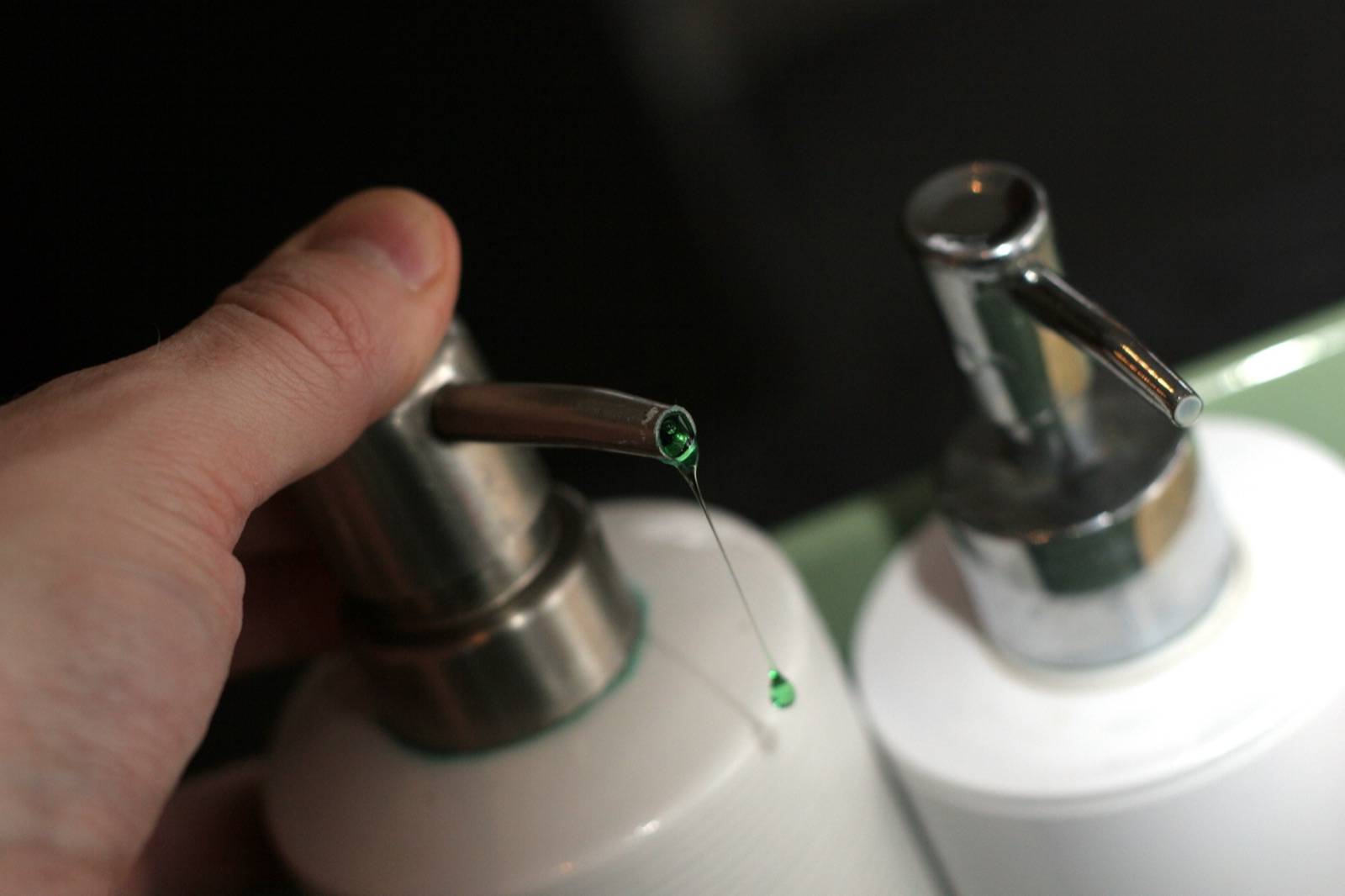
Smooth 2 to 3 drops of your Niacinamide serum or essence across the face, focusing gently on areas prone to expression lines (crow's feet, forehead, nasolabial folds) and uneven sun discoloration.
Step 4: Moisture Sealing (Nyueki or Cream)
Lock in the active ingredients with a ceramide-rich emulsion (nyueki) or nourishing barrier cream. Even oily complexions need this protective veil. The American Academy of Dermatology highlights:
"DO apply moisturizer after cleansing. Although you have oily skin, it is still important to apply moisturizer to keep your skin hydrated."[2]
Step 5: Daytime Broad-Spectrum Sun Protection
To preserve newly supported collagen and prevent fresh UV-induced melanosome production, always finish your morning routine with broad-spectrum sunscreen. The American Academy of Dermatology highlights:
"Apply a broad-spectrum, water-resistant sunscreen with an SPF of 30 or higher to all skin not covered by clothing."[3]
Signs to Stop and When to See a Doctor
Conclusion: Discontinue application if persistent redness, warmth, or itching occurs, and seek medical advice for unresolved reactions.
Niacinamide is celebrated for its benign safety profile. However, skin barrier disruptions or sensitivity to vehicle ingredients (such as specific glycols, preservatives, or botanical fragrances) can trigger cutaneous reactions.
Immediate Signs to Discontinue Use:
An uncomfortable warm sensation accompanied by widespread facial blotchiness (niacin flush) that persists for more than 30 minutes.
Development of tiny raised red bumps, urticaria (hives), or localized swelling around the eyes.
Persistent stinging or burning upon application of standard moisturizers.
When to Consult a Dermatologist:
If facial erythema, swelling, or contact itching does not subside within 24 to 48 hours of product discontinuation.
If you experience ongoing dermatitis, peeling, or reactive discomfort that interferes with daily skincare.
A board-certified physician can distinguish between mild formulation intolerance and true allergic contact dermatitis.
FAQ
Q1. Can Niacinamide really improve both wrinkles and dark spots at the same time?
A. Yes, Japanese clinical testing confirmed dual efficacy for dermal collagen and pigment transfer. (Details)
Because Niacinamide acts on distinct biological targets simultaneously, it addresses two concerns in one molecule. It stimulates fibroblasts in the dermis to enhance collagen synthesis while simultaneously blocking melanosome pigment transfer in the epidermis, earning dual Quasi-Drug certification in Japan.
Q2. Is a higher percentage of Niacinamide always better?
A. No, clinical studies demonstrate optimal biological benefits at 2% to 5% concentrations. (Details)
Higher concentrations like 10% or 20% do not offer proportional benefits and significantly raise the risk of skin flushing, stinging, and micro-irritation. Japanese Quasi-Drug standards formulate precisely within the 2% to 5% range for maximum comfort and sustained barrier support.
Q3. Can I combine Niacinamide with Vitamin C in the same routine?
A. Yes, modern formulations and Japanese Vitamin C derivatives layer smoothly with Niacinamide. (Details)
Old formulation myths warned against combining these actives due to high-temperature in-vitro interactions forming nicotinic acid. In modern skincare, stabilized Vitamin C derivatives (such as Ascorbyl Glucoside) and neutral-pH Niacinamide work in harmony, providing powerful dual antioxidant and brightening protection.
Q4. Can Niacinamide cause skin purging or breakouts?
A. Niacinamide does not cause purging, but over-concentrated formulas can trigger irritation bumps. (Details)
Unlike retinoids or exfoliating acids that accelerate cell shedding, Niacinamide does not cause a biological purge. If you experience breakouts, it is typically a reaction to a high-concentration formula (such as a 10%+ serum) or an occlusive formulation base rather than true acne purging.
Q5. Can I use Japanese Niacinamide Quasi-Drug products morning and evening?
A. Yes, Niacinamide is photostable and non-photosensitizing, making it ideal for twice-daily application. (Details)
Unlike pure retinol which degrades in sunlight, Niacinamide is exceptionally stable. Using it in the morning bolsters antioxidant defense under your sunscreen, while evening application supports overnight barrier nourishment and ceramide synthesis.
Summary
Conclusion: Niacinamide in Japanese Quasi-Drugs exemplifies balanced formulation science, providing dual wrinkle and brightening benefits without barrier irritation.
Dual Quasi-Drug Authority: Validated by Japan's Ministry of Health, Labour and Welfare, Niacinamide is officially certified for both wrinkle improvement and dark spot prevention.
Three-Pronged Biological Action: It stimulates dermal collagen, halts melanosome pigment transfer to keratinocytes, and triggers natural ceramide production in the outer barrier.
The 2% to 5% Standard: Japanese skincare avoids extreme megadoses, formulating at gentle physiological concentrations that prevent flushing while maximizing cellular tolerance.
Balanced Routine Integration: Layer your Niacinamide Quasi-Drug product morning and night between watery lotions and moisturizing emulsions, always finishing with daytime SPF 30+ sunscreen.
Disclaimer: This article is for general information and education about Japanese cosmetics and their labels. It is not a substitute for professional medical advice, diagnosis, or treatment. Skincare results vary from person to person. Product formulas, availability, prices, and regulations change, and products sold in Japan can differ from versions sold elsewhere, so always check the current label. Do a patch test before introducing a new product, and consult a doctor or dermatologist if you have a skin condition or specific concerns.