title: Barrier-First Skincare Routine: The Japanese Approach meta_description: Build a barrier-first skincare routine with the Japanese approach. Protect stratum corneum lipids using gentle cleansing, hydrating lotion, and ceramides. affiliate: false
Barrier-First Skincare Routine: The Japanese Approach
In modern skincare culture, the relentless pursuit of rapid results has led many consumers into an exhausting cycle of aggressive exfoliation, high-percentage acid layering, and frequent chemical peels. While intended to produce instant radiance, this over-treatment frequently leaves the skin sensitized, flushed, and stripped of its natural protective lipids. When the epidermal moisture barrier is compromised, chronic dryness and irritation follow.
Japanese skincare offers a proven alternative rooted in physiological respect. Rather than viewing the skin as an inert surface requiring constant resurfacing, J-Beauty adopts a "barrier-first" philosophy. By focusing on maintaining the delicate balance of intercellular lipids and natural moisture within the stratum corneum, this methodical approach builds resilient, calm, and naturally radiant skin that sustains itself over decades.

Quick answer: A barrier-first skincare routine Japanese approach prioritizes preserving the stratum corneum's delicate intercellular lipid matrix (ceramides, fatty acids, and cholesterol) over aggressive exfoliation or high-frequency acid treatments. Grounded in minimal friction (masatsu-resu), this regimen relies on four foundational steps: low-friction cleansing, deep humectant replenishment via hydrating lotion (keshōsui), lamellar lipid sealing with emulsions or ceramide creams, and daily broad-spectrum photoprotection.
The Philosophy of Barrier Preservation: Why Defense Precedes Correction
To appreciate the Japanese approach to skincare, one must understand how the stratum corneum—the outermost layer of the epidermis—operates as the body's primary environmental shield.
In dermatological science, the stratum corneum is often described using the classical "brick and mortar" model. The "bricks" are flattened, protein-rich corneocytes packed with Natural Moisturizing Factor (NMF)—a complex mixture composed primarily of free amino acids, pyrrolidone carboxylic acid, and lactic acid. Surrounding these cells is the intercellular lipid matrix or "mortar," consisting roughly of 50% ceramides, 25% cholesterol, and 15% free fatty acids arranged in tightly packed lamellar sheets.
When this lipid architecture is intact, it accomplishes two critical survival tasks: it keeps vital water inside the tissue and prevents external irritants, allergens, and airborne pollutants from entering deeper dermal layers.
Western trends often regard this barrier as an obstacle to be stripped away in order to push strong actives deeper. In contrast, Japanese cosmetic laboratories formulate routines specifically to protect and reinforce this mortar. Furthermore, Japanese dermatologists emphasize avoiding physical friction (masatsu). Vigorous facial rubbing or mechanical scrubbing disrupts the fragile lamellar lipids, triggering sub-clinical micro-inflammation that accelerates barrier degradation.
The 4 Pillars of a Japanese Barrier-First Routine
A Japanese barrier-first regimen is structured logically to respect the skin's biological rhythm, guiding each layer to support and protect the next.

Pillar 1: Low-Friction, Non-Stripping Cleansing
Cleansing is the step where barrier damage most frequently occurs. Traditional alkaline bar soaps and harsh sulfates strip sebum indiscriminately, washing away valuable intercellular ceramides in the process.
The Japanese barrier-first approach utilizes two main cleansing rituals:
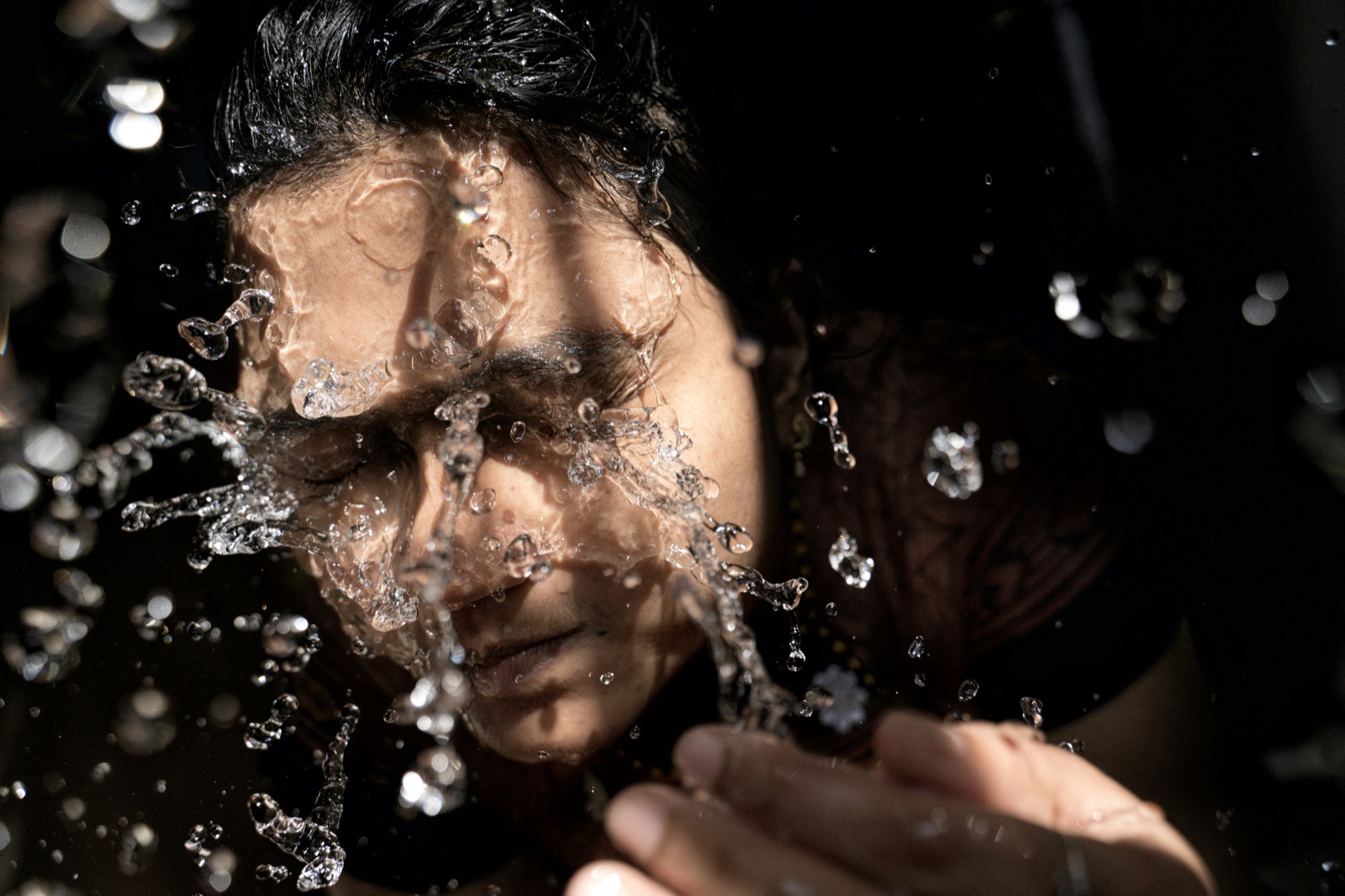
- Gentle Morning Cleansing: For dry or barrier-compromised skin, a simple splash of lukewarm water or a mild Japanese amino acid facial cleanser is sufficient to remove overnight perspiration without disturbing natural sebum.
- Low-Friction Evening Cleansing: If makeup or water-resistant sunscreen was worn, a nourishing cleansing oil or cleansing balm is applied with zero pressure, melting away impurities effortlessly. For proper dual-cleansing balance, review the Japanese double cleansing method.
Dermatologists caution against aggressive mechanical action during cleansing. The American Academy of Dermatology Association (AAD) recommends: "Resist the temptation to scrub your skin because scrubbing irritates the skin."[1] Furthermore, when drying the face, the AAD advises: "Rubbing your skin dry can irritate extremely dry skin."[2] Always gently press a soft, clean towel against your skin rather than wiping or rubbing.

Pillar 2: Biomimetic Aqueous Replenishment (Keshōsui)
Once skin is cleansed, water must be replenished immediately before surface evaporation triggers tightness. In Western routines, toners were historically formulated with astringent alcohols to strip remaining oil. In Japanese beauty, the equivalent step—hydrating lotion (keshōsui)—is a liquid moisture infusion.
Japanese lotions are formulated with skin-identical humectants such as multi-weight hyaluronic acid, glycerin, and fermented amino acids that mimic the skin's endogenous NMF. By pouring a small amount into the palms and pressing the liquid gently into facial contours, you saturate dehydrated corneocytes without creating mechanical friction. For comprehensive technique instructions, see how to use Japanese hydrating lotion.
Pillar 3: Lamellar Lipid Sealing (Nyūeki & Creams)
Water alone evaporates rapidly from bare skin into dry ambient air. To prevent transepidermal water loss, a barrier-first routine immediately seals aqueous humectants beneath a protective emollient and occlusive layer.
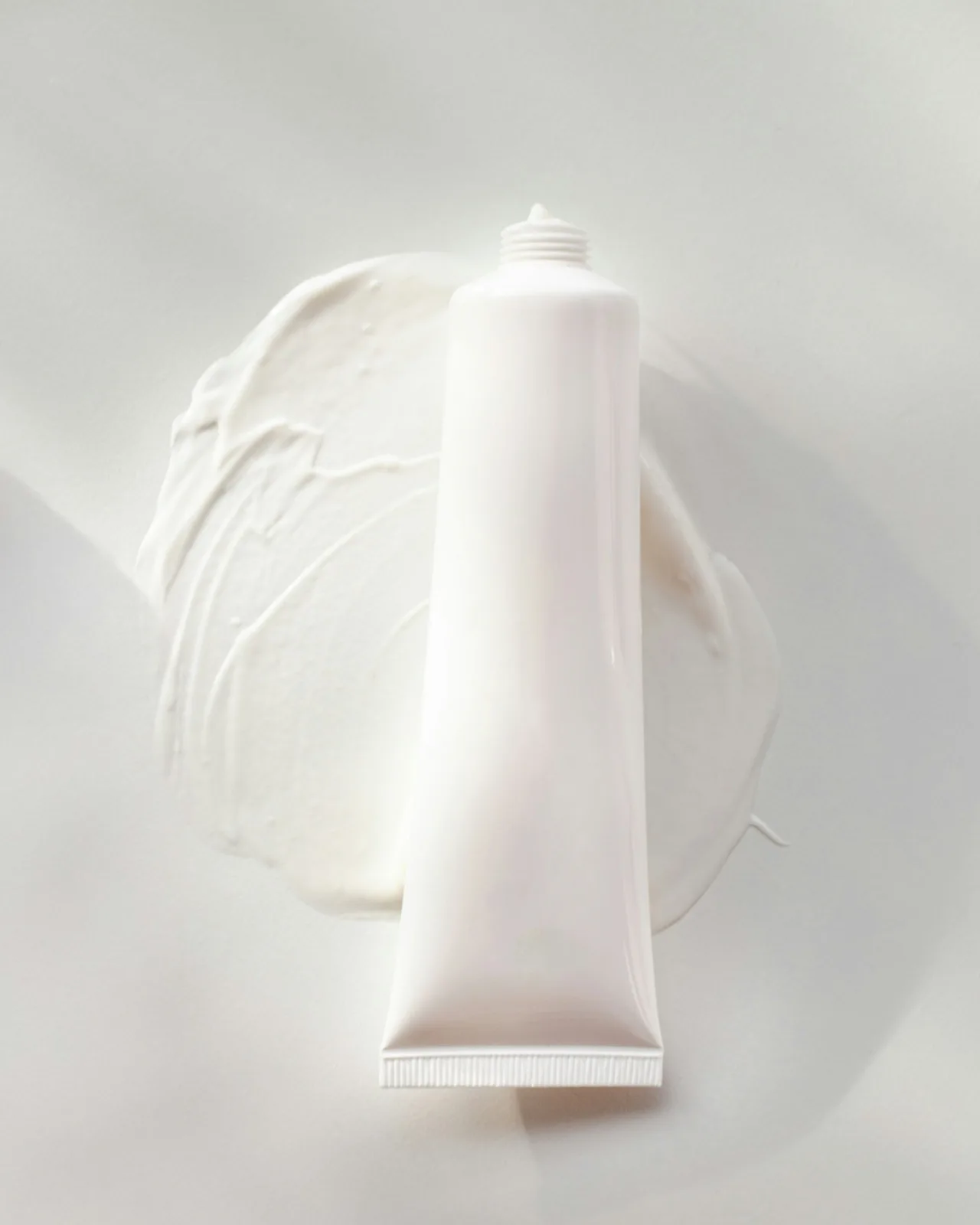
Japanese skincare accomplishes this through lightweight milky emulsions (nyūeki) or restorative creams rich in ceramides, squalane, and cholesterol. Applying this layer while the epidermis remains damp creates an artificial protective shield that locks in hydration.
The AAD highlights the vital timing of this step: "Be sure to apply your moisturizer when your skin is still damp after taking a shower or bath, after washing your hands, and when your skin feels dry."[2]
Pillar 4: Daily Photoprotection
Ultraviolet radiation generates reactive oxygen species that oxidize barrier lipids, triggering lipid peroxidation and breaking down ceramides. No barrier routine is complete without broad-spectrum defense.
The AAD instructs individuals to: "Apply a broad-spectrum, water-resistant sunscreen with an SPF of 30 or higher, along with seeking shade and wearing sun-protective clothing."[2] Japanese sunscreens are celebrated worldwide for their weightless, hydrating cosmetic finishes, allowing for comfortable daily wear without pore clogging or barrier suffocation.
Barrier-First Routine vs. Aggressive Exfoliation: Key Differences
Understanding the structural differences between a barrier-first philosophy and high-intervention routines helps clarify why J-Beauty prioritizes steady maintenance.
Scroll horizontally to view full table
| Dimension | Barrier-First Japanese Approach | Aggressive Exfoliation Routine |
|---|---|---|
| Core Objective | Preserve stratum corneum lipids and support natural barrier balance | Force rapid cellular turnover through acid peeling and abrasive scrubs |
| Cleansing Method | Low-friction amino acid cleansers, lukewarm water, zero scrubbing | Clarifying foaming washes, clarifying scrubs, or alcohol astringents |
| Hydration Strategy | Multi-layered aqueous lotions rich in biomimetic NMF humectants | Lightweight single-layer serums or immediate heavy occlusive balms |
| Lipid Sealing | Biocompatible ceramides, pseudo-ceramides, and breathable emulsions | Petrolatum-based slugging or thick silicones over stripped skin |
| Skin Sensation | Calm, supple, deeply cushioned, resilient (*mochi-hada*) | Tight, tingling, prone to intermittent redness or flaking |