Japanese Skincare Routine for Beginners: Easy Starter Guide
RoutinesBy Miho Tanaka
Exploring Japanese skincare (J-Beauty) for the first time can feel overwhelming. Online tutorials frequently showcase elaborate six-to-ten-step regimens featuring cleansing oils, foaming washes, watery lotions, booster essences, serums, sheet masks, emulsions, and heavy creams.
For a newcomer, attempting to adopt an eight-step regimen all at once is a recipe for product pilling, wasted money, and unexpected breakouts. Authentic Japanese skincare is built on understanding your skin's biological needs and keeping the barrier calm. Starting with a streamlined 3-step starter setup allows you to experience the barrier-nourishing benefits of J-Beauty without unnecessary complexity.
Quick answer: A beginner Japanese skincare routine requires just three foundational products: a gentle non-stripping cleanser, a hydrating watery lotion (keshosui), and a light sealing emulsion (nyuueki), completed with broad-spectrum sunscreen in the morning. By mastering this core starter trio before introducing serums or specialty treatments, beginners protect their native ceramides, avoid product irritation, and establish sustainable daily habits.
The Starter Philosophy: Start Small and Build
The golden rule for beginners in Japanese skincare is simplicity. Rather than overwhelming your skin with dozens of active ingredients, J-Beauty focuses on foundational skin conditioning (hadazukuri).
In Japanese cosmetic science, moisturizing is viewed as a two-phase partnership: delivering liquid water first, then immediately sealing that water with lightweight lipids.
Kao Corporation's sensitive-skin brand Curél highlights this foundational balance, explaining that: "Japanese skincare is rooted in two-step cleansing and moisturizing rituals that work gently to prepare skin for hydration, while preserving its natural ceramides."[2]
By beginning with just a gentle cleanser, a hydrating watery lotion, and an emulsion, you give your skin barrier time to adapt. If an adverse reaction occurs, having a simple routine makes it straightforward to identify which formula caused it.
Beginner Starter Trio vs Full Multi-Step Routine
To see how manageable a starter regimen is, consider how the beginner trio compares to a complex advanced regimen.
Minimal; low ingredient conflict and minimal physical friction
Moderate; requires careful balancing of active ingredients
Who It Suits
Complete newcomers, sensitive skin, teens, and busy lifestyles
Experienced skincare users with established barrier resilience
Rohto Hada Labo Tokyo officially validates this streamlined starting approach in its regimen guidelines, advising that: "Layering in the morning can be lighter: cleanser, hydrator, and SPF"[1]. Beginners can comfortably rely on this light framework until their skin demonstrates a clear need for additional steps.
The 3 Core Steps Every Beginner Needs
Mastering a beginner Japanese routine comes down to executing three core steps with gentle technique:
Step 1: Gentle Cleansing
The primary objective of a Japanese facial wash is removing sweat, airborne dust, and oxidized surface oils without stripping away your skin's natural intercellular ceramides.
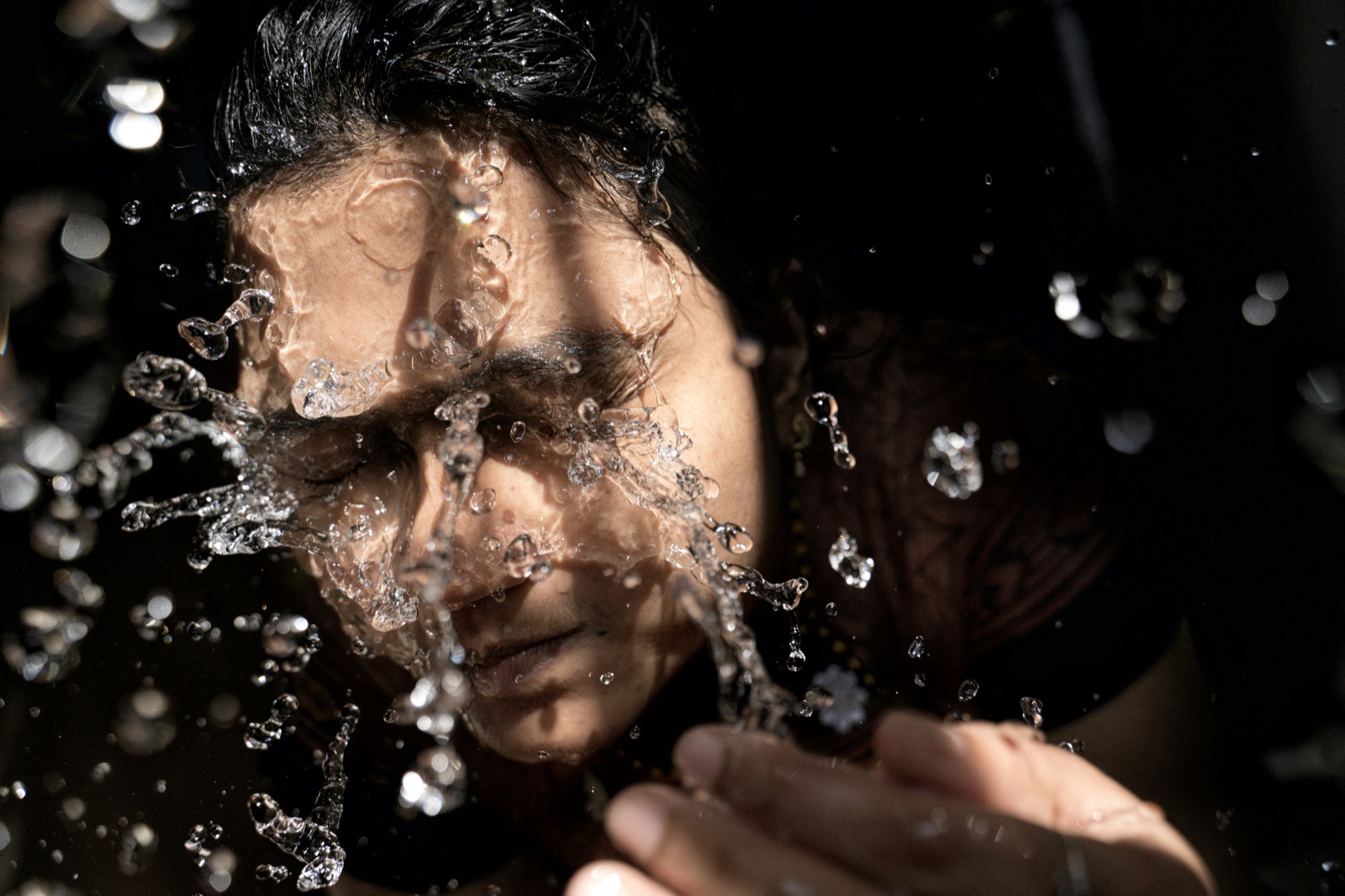
Select a mild, low-pH foaming cleanser. Instead of rubbing the unlathered gel or cream directly against your face, create a rich foam between damp palms first. Gently press the foam against your skin, allowing the bubbles to lift away debris without mechanical friction (mimasatsu), then rinse thoroughly with lukewarm water.
Step 2: Hydrating Watery Lotion (Keshosui)
In Western skincare, toners are often astringent clarifying fluids formulated with alcohol to remove leftover dirt. In Japanese beauty, this second step belongs to keshosui—a water-like liquid engineered to flood the stratum corneum with deep hydration.
Pour a nickel-sized pool of lotion into your palms, press your hands together, and pat the fluid gently into your cheeks, forehead, and neck. The watery humectants immediately soften dry surface cells, enhancing elasticity and preparing the skin to lock in moisture. To explore how watery lotions differ fundamentally from astringents, read our guide on Japanese lotion vs Western toner.
Step 3: Sealing Emulsion (Nyuueki)
Water evaporates quickly from bare skin unless secured by a light lipid barrier. The third foundational step is applying an emulsion (nyuueki)—a breathable, oil-in-water fluid that balances moisture and lipids without heaviness.
Curél highlights this essential step: "Complete your double-moisturising Japanese skincare ritual with Curél Moisture Facial Milk designed for dry, sensitive skin."[2]
The brand provides clear application instructions: "Apply 3-4 pumps of Curél Moisture Facial Milk to cheeks, forehead, nose and chin. Smooth milk over your face, working from the inside to the outside in long, soft strokes."[2]
If your skin feels exceptionally dry in winter, you can substitute or follow with a richer cream, as the American Academy of Dermatology (AAD) notes: "Ointments and creams add more moisture to skin and are more effective than lotions."[4] To evaluate whether a fluid milk or cream matches your skin type, read our comparison of Japanese emulsion vs moisturizer.
Non-Negotiable Daytime Shield: Sun Protection
In the morning, finish your routine with broad-spectrum sunscreen. Rohto Hada Labo instructs users to structure routines by "starting with the lightest weight product."[1] The brand emphasizes: "Always end with applying a sunscreen lotion to protect the skin from premature aging and help prevent skin cancer."[1]
The AAD reinforces this daily necessity, advising: "Your skin is exposed to the sun's harmful UV rays every time you go outside, even on cloudy days and in the winter. So whether you are on vacation or taking a brisk walk in your neighborhood, remember to use sunscreen."[3]
How to Choose Products for Your Skin Type
When shopping for Japanese starter products, look for texture labels designed to guide your selection:
Oily or Combination Skin: Look for products labeled sappari (light / refreshing). These watery lotions and fluid emulsions deliver high water content with minimal lipids, absorbing cleanly without shine.
Dry or Sensitive Skin: Look for products labeled shittori (rich / moist) or high-moisture formulas containing biomimetic ceramides, squalane, and hyaluronic acid.
Medicated Quasi-Drugs: Many Japanese beginner products feature the label yakuyou or quasi-drug. The Pharmaceuticals and Medical Devices Agency (PMDA) explains that: "products contain active ingredients are generally classified as quasi-drugs in Japan"[5]. These formulations include approved active ingredients like dipotassium glycyrrhizate or tranexamic acid to soothe environmental irritation and maintain clarity.
Common Beginner Mistakes to Avoid
Newcomers to J-Beauty frequently encounter pitfalls that prevent them from seeing optimal results:
Applying Lotion Without an Emulsion: Applying watery lotion without following with a lipid seal allows ambient air to pull water out of the stratum corneum, leaving the skin feeling tight. Always lock in hydration with an emulsion or cream.
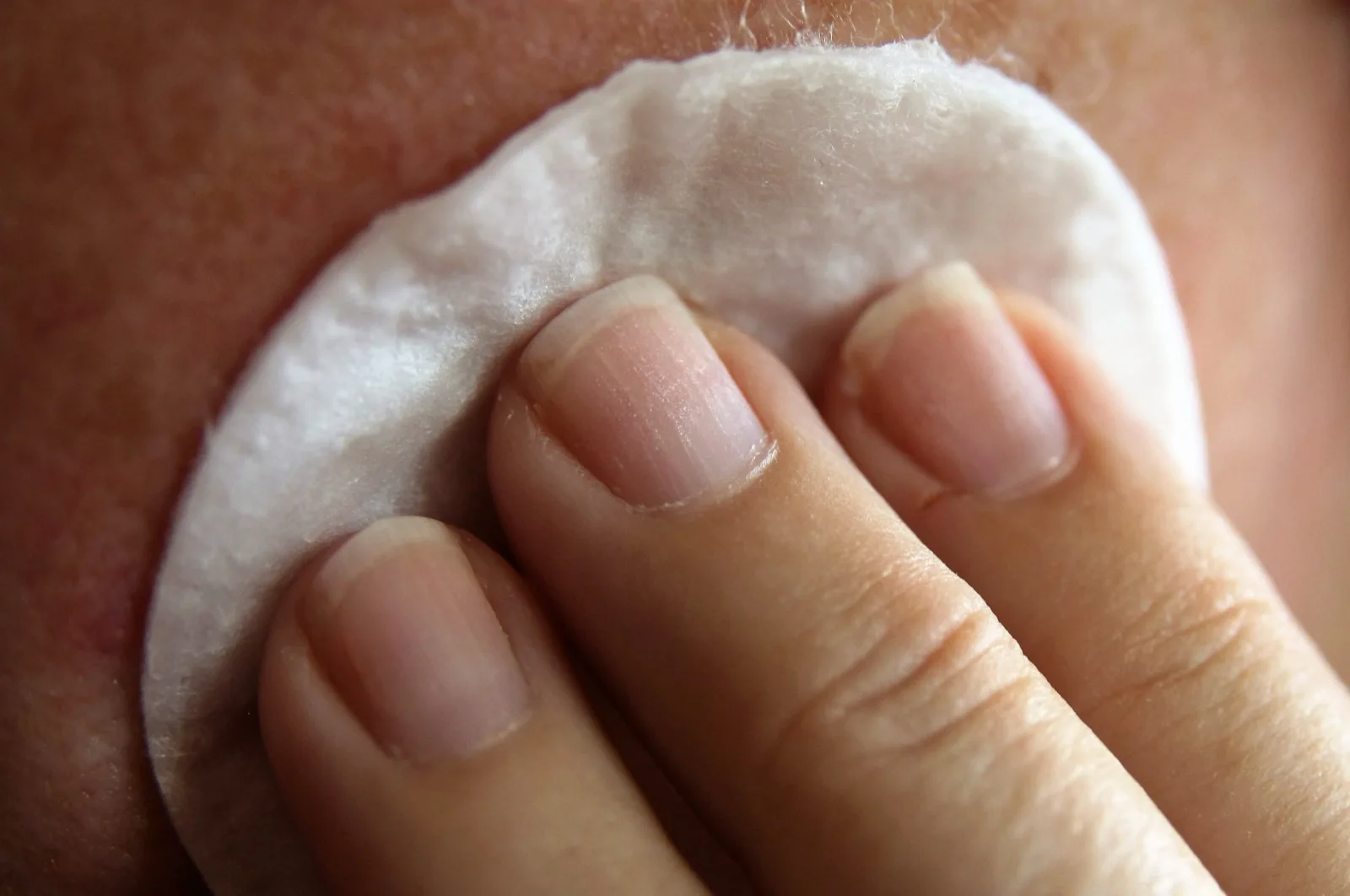
Aggressive Rubbing and Pulling: Rubbing the face with rough cotton pads or dragging thick creams pulls on delicate skin fibers. Practice mimasatsu (friction avoidance) by pressing liquids gently with warm palms.
Introducing Everything on Day One: If you purchase three new products, introduce them one at a time over several days so you know how your skin responds to each formula.
Signs to Stop and When to See a Doctor
A beginner routine should leave your skin feeling comfortable, soft, and calm. Monitor your skin's response closely:
Signs of product intolerance: If you experience persistent stinging, burning, sudden hives, or red flaky patches after using a new product, discontinue use immediately. Consult a board-certified dermatologist or qualified healthcare provider if irritation persists for more than several days.
Signs of excess heaviness: If small white bumps (milia) or unexpected congestion appear along your jawline, your moisturizer may be too rich for your climate. Switch to a lighter milky emulsion.
Safe patch testing protocol: Apply a dime-sized amount of any new product behind your ear or along your jawline for 48 hours to confirm tolerability before full-face use.
Summary
Simple starter trio: A complete beginner Japanese routine requires just three products: a gentle cleanser, a hydrating watery lotion (keshosui), and a sealing emulsion (nyuueki), paired with morning sunscreen.
Two-phase moisturizing: J-Beauty relies on pairing watery hydration with a light lipid seal to maintain barrier ceramides and prevent trans-epidermal water loss.
Gentle technique: Cushion cleansers with rich lather and press products into the face with soft palms to avoid mechanical friction.
Sustainable consistency: Sticking faithfully to a simple 3-step routine every day delivers better barrier health than erratic multi-step regimens.
FAQ
Q1. How much money do I need to start a Japanese skincare routine?
A. A complete starter Japanese routine can be assembled very affordably.(Details)
Unlike luxury Western skincare, top-performing Japanese drugstore brands like Hada Labo, Curél, and Sana Nameraka Honpo offer gentle, highly effective cleansers, lotions, and emulsions priced between $10 and $20 per bottle. A high-quality starter trio rarely exceeds $40 to $50 total.
Q2. Can I use my Western cleanser with Japanese lotion and emulsion?
A. Yes, provided your Western cleanser is gentle and non-stripping.(Details)
You do not need to replace your entire medicine cabinet overnight. If you already have a mild, sulfate-free, pH-balanced cleanser that leaves your skin comfortable, you can easily pair it with a Japanese hydrating lotion and milky emulsion.
Q3. How do I know if my skin likes a new Japanese product?
A. Favorable signs include soft, plump skin, reduced midday tightness, and zero redness.(Details)
When a Japanese routine suits your barrier, your skin will feel supple, smooth, and comfortably hydrated throughout the day without an oily surface sheen. Foundation and sunscreen will apply smoothly without pilling or flaking.
Q4. When should a beginner add serums or sheet masks?
A. Wait at least three to four weeks until your basic 3-step routine feels stable and comfortable.(Details)
Allow your skin one full cellular turnover cycle (approximately 28 days) to establish baseline barrier strength. Once your skin feels consistently hydrated and calm, you can introduce a targeted serum or weekly sheet mask to address specific concerns like dark spots or fine lines.
Q5. Do I need to double cleanse every single night as a beginner?
A. Double cleansing is only necessary in the evening when wearing waterproof makeup or water-resistant sunscreen.(Details)
If you only wore a light, water-soluble sunscreen or stayed indoors with bare skin, a single gentle foaming wash is often sufficient. If you wore stubborn waterproof sunscreen or foundation, starting with a cleansing oil followed by a foaming wash ensures clean pores without scrubbing.
Disclaimer: This article is for general information and education about Japanese cosmetics and their labels. It is not a substitute for professional medical advice, diagnosis, or treatment. Skincare results vary from person to person. Product formulas, availability, prices, and regulations change, and products sold in Japan can differ from versions sold elsewhere, so always check the current label. Do a patch test before introducing a new product, and consult a doctor or dermatologist if you have a skin condition or specific concerns.