Japanese Enzyme Powder Cleanser Benefits: Usage Guide
CleansingBy Miho Tanaka
title: Japanese Enzyme Powder Cleanser Benefits: Usage Guide
meta_description: Discover the benefits of Japanese enzyme powder cleansers. Learn how enzymes dissolve dead keratin plugs, safe weekly frequency, and gentle routines.
affiliate: false
Japanese Enzyme Powder Cleanser Benefits: Usage Guide
If you struggle with stubborn blackheads, rough texture around the nose, or a dull complexion that never seems fully refreshed by standard foaming soaps, you are not alone. Traditional physical scrubs rely on abrasive particles that scratch delicate facial tissue, while strong chemical peel acids can sting and destabilize compromised moisture barriers.
In Japanese skincare (J-beauty), the gentle answer to pore congestion is the Japanese enzyme powder cleanser (kouso sengan). Packaged as an ultra-fine waterless powder, this innovative cleanser harnesses biological enzymes that selectively dissolve hardened dead keratin proteins and oxidized surface sebum. Understanding Japanese enzyme powder cleanser benefits and mastering the proper weekly frequency allows you to achieve velvety smooth, radiant skin without scratching or stripping your barrier.
Quick answer: A Japanese enzyme powder cleanser utilizes proteolytic enzymes (like protease and papain) and lipases to break down stubborn keratotic plugs (kakusen) composed of 70% dead skin protein and 30% oxidized sebum. Stored as an anhydrous powder to preserve enzyme potency without synthetic preservatives, it activates upon contact with water to produce a dense, exfoliating micro-foam. Use it 1 to 2 times weekly to smooth rough texture without physical scrubbing.
What Are Japanese Enzyme Powder Cleansers?
Conclusion: Waterless powder packaging keeps delicate biological enzymes fully stable until mixed with water, delivering fresh exfoliating activity without harsh preservatives.
Enzymes are specialized biological proteins that act as organic catalysts. In skincare, however, enzymes face a major biochemical hurdle: they destabilize and degrade rapidly when formulated in water-based liquids.
Japanese cosmetic chemists solved this challenge by creating water-free (anhydrous) powder formulas:
Anhydrous Stability: By keeping enzymes in a dry powder state, their molecular structures remain dormant and fully preserved without requiring aggressive chemical preservatives or high alcohol levels.
Single-Use Capsules (Kotousou): Many leading Japanese enzyme cleansers are packaged in individual sealed miniature pods. Each pod delivers the exact dosage needed for a single cleanse while protecting the remaining powder from bathroom humidity and airborne moisture.
Instant Water Activation: The moment you pour the powder into damp palms or onto a foaming net and add lukewarm water, the enzymes activate instantly, releasing their full enzymatic potency directly onto your skin.
How Protease and Lipase Dissolve Stubborn Pores (Kakusen)
Conclusion: Dual enzymatic action breaks peptide bonds in dead keratin and dissolves oxidized sebum binders, lifting plugs away without abrasive abrasion.
To understand why enzyme cleansers are so effective, it helps to examine what causes pore clogging. In Japanese dermatology, stubborn pore plugs are termed kakusen. A keratotic plug is not simply trapped oil or external grime; it consists of approximately 70% dead, desquamated keratinocytes (protein) cemented together by 30% oxidized surface sebum (lipids).
Standard foaming facial washes only address the superficial 30% lipid portion, leaving the rigid 70% keratin core stuck inside the pore funnel. Physical scrubs attempt to tear the plug out mechanically, which damages the delicate pore rim.
Enzyme cleansers solve this through biological precision:
Protease Enzymes (Papain, Bromelain, Subtilisin): Proteases perform keratolysis, cleaving the peptide bonds that bind dead, hardened keratinocytes together. This loosens the structural core of the plug without disturbing living basal cells.
Lipase Enzymes: Lipases break ester bonds in oxidized sebum and triglycerides, dissolving the waxy lipid binder that cements the plug inside the follicular opening.
Dermatologists define this process clearly. According to the American Academy of Dermatology, "Exfoliation is the process of removing dead skin cells from the outer layer of your skin"[1]. By gently dissolving dead surface cells through biochemical affinity rather than mechanical scratching, enzyme cleansers respect the surrounding epidermal tissue.
Key Ingredients to Look For in Japanese Formulas
Conclusion: Combining plant proteases with mineral clays and humectants delivers deep pore clearing while cushioning the stratum corneum with hydration.
Japanese enzyme powder formulations typically combine active enzymes with purifying mineral clays and soothing humectants to maximize comfort during cleansing.
Scroll horizontally to view full table
Ingredient Category
Key Japanese Examples
Biochemical Action
Skin Feel & Benefit
Ideal For
Proteolytic Enzymes
Papain (papaya extract), Subtilisin, Protease
Cleaves peptide bonds in dead keratinized surface cells
Softens hardened pore plugs (*kakusen*) and rough flakes
Rough texture, flakiness, and clogged T-zones
Lipolytic Enzymes
Lipase
Hydrolizes oxidized sebum, squalene, and waxy fatty acids
Sensitive and normal skin seeking gentle exfoliation
How Often Should You Use Enzyme Powder Cleansers?
Conclusion: Limiting enzyme cleansing to once or twice weekly prevents moisture barrier disruption and keeps skin supple and calm.
Because Japanese enzyme powder cleansers feel gentle and produce a soft, cloud-like foam, many users are tempted to use them twice daily. However, enzymatic exfoliation is powerful and requires moderation.
The American Academy of Dermatology provides clear warnings on frequency: "Be careful not to over-exfoliate, as this could lead to skin that is red and irritated"[1].
Follow these skin-specific frequency guidelines:
Oily and Congestion-Prone Skin: 2 times per week, ideally during your evening routine when pore buildup from sunscreen and daily sebum is highest.
Normal and Combination Skin: 1 to 2 times per week, focusing the dense foam predominantly on the congested T-zone (forehead, nose, chin).
Dry and Sensitive Skin: Once weekly or once every 10 to 14 days. If your barrier is easily irritated, whip the powder with extra water and limit contact time to 20 seconds.
Step-by-Step Whipping and Cleansing Technique
Conclusion: Whipping powder into rich micro-foam with a net ensures enzymes glide evenly across skin without concentrated granule friction.
Enzyme powder should never be scrubbed across your face like a dry paste. The proper Japanese ritual centers on full foam activation:
Step 1: Dispense and Dissolve Completely
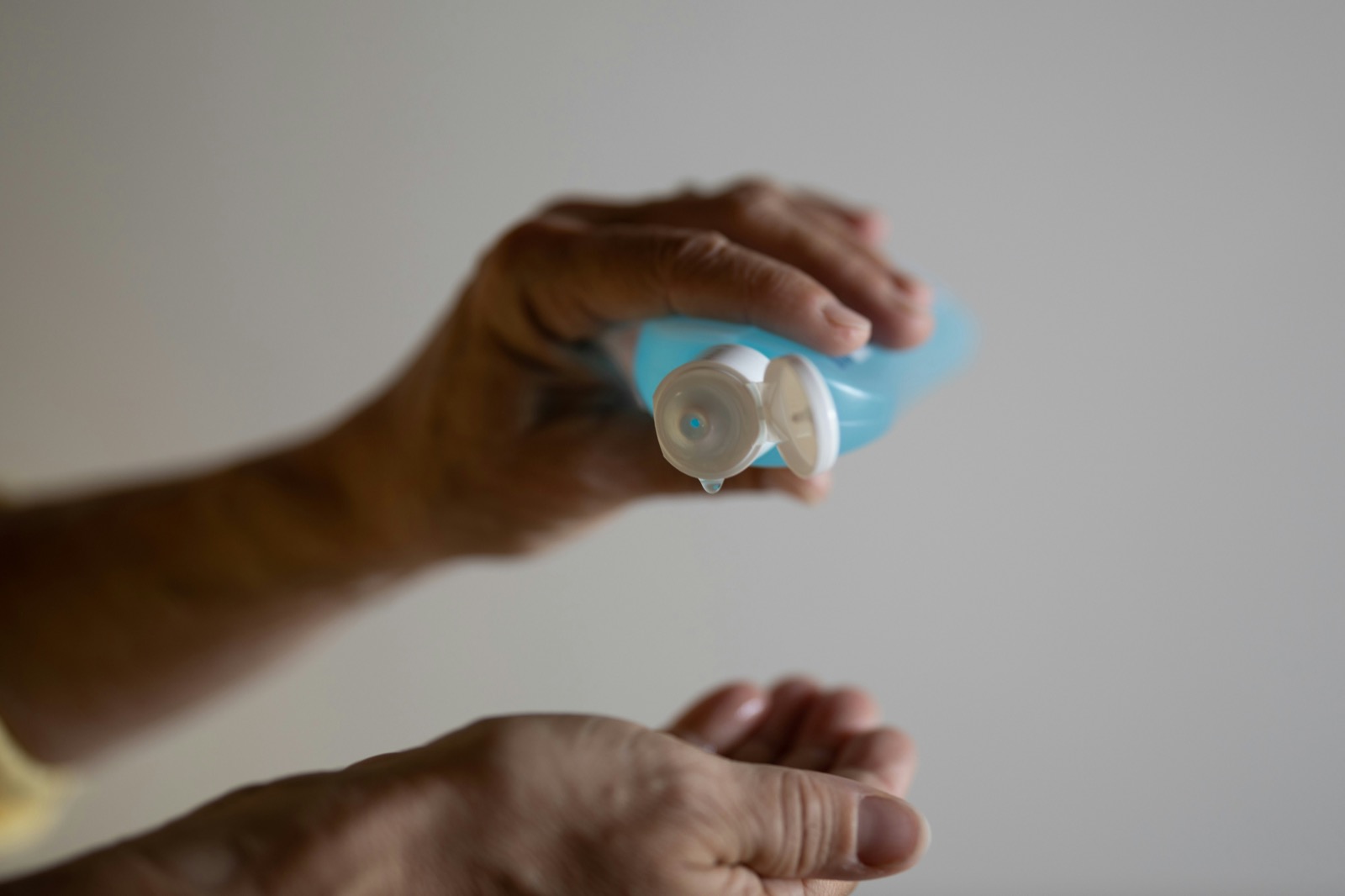
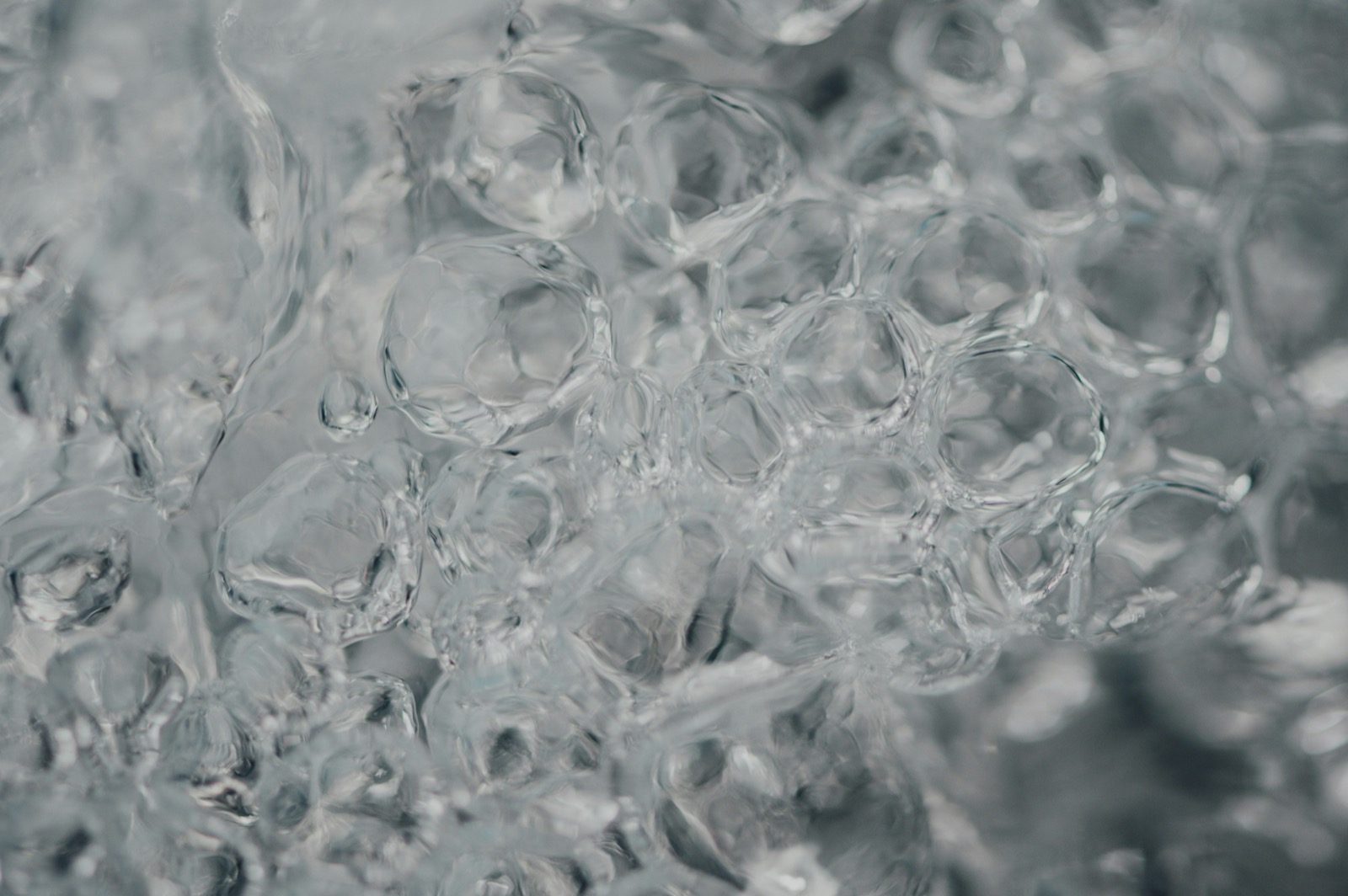
Empty one single-use pod (or a half-teaspoon of loose powder) into the palm of your hand or directly into the folds of a damp mesh foaming net (awa-date netto). Add a few drops of lukewarm water and rub vigorously between your palms. Ensure that every dry grain of powder fully dissolves into a velvety white micro-foam.
Step 2: The "Piano Touch" Application
Transfer the whipped meringue foam onto your face, starting with congested zones like the nose, chin, and central forehead. Use the soft pads of your middle and ring fingers to roll the bubble cushion in gentle circular motions for 30 to 45 seconds.
Dermatologists strongly advise against aggressive scrubbing during facial washing. Guidelines from the American Academy of Dermatology remind us: "Resist the temptation to scrub your skin because scrubbing irritates the skin"[2]. Let the catalytic enzymes do the work of breaking down dead protein bonds; never press downward into the skin.
Step 3: Lukewarm Water Rinsing
Splash your face with lukewarm water (32°C to 34°C) 10 to 15 times until every trace of cleanser is rinsed away. As emphasized by the American Academy of Dermatology, "Rinse with lukewarm water and pat dry with a soft towel"[2]. Gently blot your skin with a clean cotton towel without dragging.
Post-Enzyme Hydration: Restoring Moisture Balance
Conclusion: Applying humectant lotions and barrier creams immediately after enzyme exfoliation locks in deep hydration and protects fresh epidermal cells.
After enzymatic cleansing, loosened surface keratinocytes have been lifted away, exposing fresh, highly receptive epidermal layers. This freshly smoothed surface is exceptionally permeable to moisture and requires prompt protective layering.
The American Academy of Dermatology highlights the essential role of post-exfoliation care: "Apply moisturizer immediately after exfoliating to keep your skin healthy and hydrated"[1].
To shield your freshly cleansed barrier:
Understand Double Cleansing: If you are wearing waterproof makeup or sunscreen, remove it first with a gentle cleansing oil before using your enzyme powder. For complete double cleansing protocols, review the Japanese double cleansing method.
Soak with Hydrating Lotion: Immediately pat a generous splash of alcohol-free Japanese hydrating lotion into slightly damp skin. To learn proper layering techniques, explore how to use Japanese hydrating lotion.
Seal with Ceramides: Follow with a lightweight emulsion or ceramide cream to reinforce intercellular lipid bilayers and prevent post-exfoliation trans-epidermal water loss.
What to Avoid: 4 Common Enzyme Cleansing Mistakes
Conclusion: Avoiding daily use, un-dissolved powder grit, harsh acid combinations, and hot water prevents unnecessary irritation and barrier fatigue.
To enjoy the full benefits of Japanese enzyme powders, avoid these common missteps:
Using Enzyme Powder as an Everyday Cleanser: Replacing your daily gentle wash with enzyme powder strips necessary stratum corneum lipids and causes chronic redness and barrier thinning. Keep it to 1–2 times weekly.
Applying Grainy, Un-Dissolved Powder: If you rub un-dissolved powder granules directly onto your skin, they act like physical sandpaper. Always whip with water until completely smooth before face application.
Combining with Strong Retinoids or Acid Peels: Do not use enzyme powder on the same evening you apply prescription tretinoin, strong AHA/BHA chemical peels, or high-concentration ascorbic acid.
Washing with Steaming Hot Water: Hot shower water denatures barrier ceramides and can inactivate the delicate enzymes prematurely, compromising both skin comfort and product performance.
Signs to Stop and When to Consult a Doctor
Conclusion: Discontinue enzyme cleansing immediately if you notice stinging, swelling, or persistent peeling, and consult a dermatologist for medical guidance.
While enzyme cleansers are generally gentler than coarse physical scrubs, any active exfoliating product can trigger sensitivities on compromised barriers:
Immediate Stinging or Prickling: A sharp burning sensation while washing indicates that your underlying barrier has microscopic fissures. Rinse thoroughly with cool water and pause exfoliation.
Persistent Flaking or Tightness: If your face feels tight, shiny, or shows flaky patches days after washing, you are over-exfoliating. Scale back frequency to once every two weeks or pause entirely.
Active Rosacea, Eczema, or Open Wounds: Never use exfoliating enzyme cleansers over active rosacea papules, eczema plaques, or sunburned skin. These conditions require prescription clinical care from a board-certified dermatologist.
Always conduct a 24-hour patch test on your jawline or inner forearm before trying a new enzyme powder cleanser for the first time.
Summary: Essential Rules for Enzyme Powder Care
Japanese enzyme powder cleansers deliver exceptional smoothing and pore-clearing results when used with knowledge and moderation:
Biochemical Precision: Protease enzymes dissolve dead keratin proteins, while lipases break down oxidized sebum binders.
Freshness in Every Pod: Anhydrous powder packaging keeps enzymes active without requiring aggressive synthetic preservatives.
Moderate Frequency: Limit use to 1 or 2 times weekly to prevent barrier fatigue and preserve moisture levels.
Whip into Rich Foam: Always dissolve the powder completely with water using a foaming net before touching your face.
Hydrate Immediately: Apply soothing hydrating lotions and ceramide moisturizers right after towel patting.
FAQ
Q1. Can I use enzyme cleansing powder every day?
A. No. Even though Japanese enzyme cleansers produce a gentle, creamy lather, their proteolytic enzymes actively dissolve protein bonds. (Details)
No. Even though Japanese enzyme cleansers produce a gentle, creamy lather, their proteolytic enzymes actively dissolve protein bonds. Using them daily will eventually deplete essential barrier corneocytes, leading to trans-epidermal water loss, redness, and sensitivity. Limit use to 1 to 2 times weekly as a special clarifying step.
Q2. Is enzyme powder cleansing safer than chemical acid peels (AHA/BHA)?
A. Enzyme cleansers operate through biological digestion at neutral or mildly acidic skin pH, making them gentler on the overall barrier than strong chemical acid peels (like glycolic acid) which rely on low pH acidity to dissolve cell junctions. (Details)
Enzyme cleansers operate through biological digestion at neutral or mildly acidic skin pH, making them gentler on the overall barrier than strong chemical acid peels (like glycolic acid) which rely on low pH acidity to dissolve cell junctions. However, both methods require sensible frequency to prevent over-exfoliation.
Q3. Can I mix enzyme powder into my regular foaming cleanser?
A. Yes. If you find a pure enzyme wash slightly too potent, blending half a pod of enzyme powder into your everyday Japanese foaming paste is a popular technique in Japan. (Details)
Yes. If you find a pure enzyme wash slightly too potent, blending half a pod of enzyme powder into your everyday Japanese foaming paste is a popular technique in Japan. It creates a milder exfoliating wash that cushions sensitive skin beautifully.
Q4. Is enzyme powder suitable for sensitive or rosacea-prone skin?
A. Those with sensitive skin can use enzyme powder, but caution is necessary. (Details)
Those with sensitive skin can use enzyme powder, but caution is necessary. Opt for formulas containing soothing amino acids and humectants, whip into extra-dense foam, apply only to the congested T-zone for 20 seconds, and use no more than once every 10 to 14 days. Avoid using during active rosacea flare-ups.
Q5. Why do Japanese enzyme cleansers come in single-use pods?
A. Enzymes break down rapidly in the presence of water or humidity. (Details)
Enzymes break down rapidly in the presence of water or humidity. Single-use sealed miniature pods lock out moisture and oxygen, keeping the powder completely fresh, potent, and hygienic until the moment you open it in the shower.
Disclaimer: This article is for general information and education about Japanese cosmetics and their labels. It is not a substitute for professional medical advice, diagnosis, or treatment. Skincare results vary from person to person. Product formulas, availability, prices, and regulations change, and products sold in Japan can differ from versions sold elsewhere, so always check the current label. Do a patch test before introducing a new product, and consult a doctor or dermatologist if you have a skin condition or specific concerns.