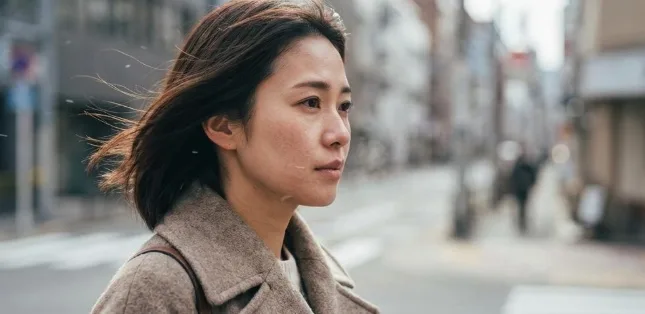
In Japan, nature and daily life are intimately intertwined with the four distinct seasons (shiki). This cultural attunement—known as kisetsu—extends deeply into Japanese cosmetic science.
Japan experiences dramatic climatic swings throughout the year: damp spring breezes carrying airborne pollen, sweltering sub-tropical summers with intense ultraviolet indices, crisp autumn transitions, and harsh, moisture-depleting winters. Using the exact same heavy winter cream during humid August, or relying on a lightweight summer gel during frigid January, frequently results in either clogged pores or uncomfortable barrier flaking.
By learning how Japanese beauty (J-Beauty) modulates hydration and lipid sealing across the seasons, you can maintain a balanced, calm complexion in any climate. Whether you follow a comprehensive Japanese skincare routine or prefer a minimalist Japanese skincare routine, seasonal tuning is the key to year-round resilience.
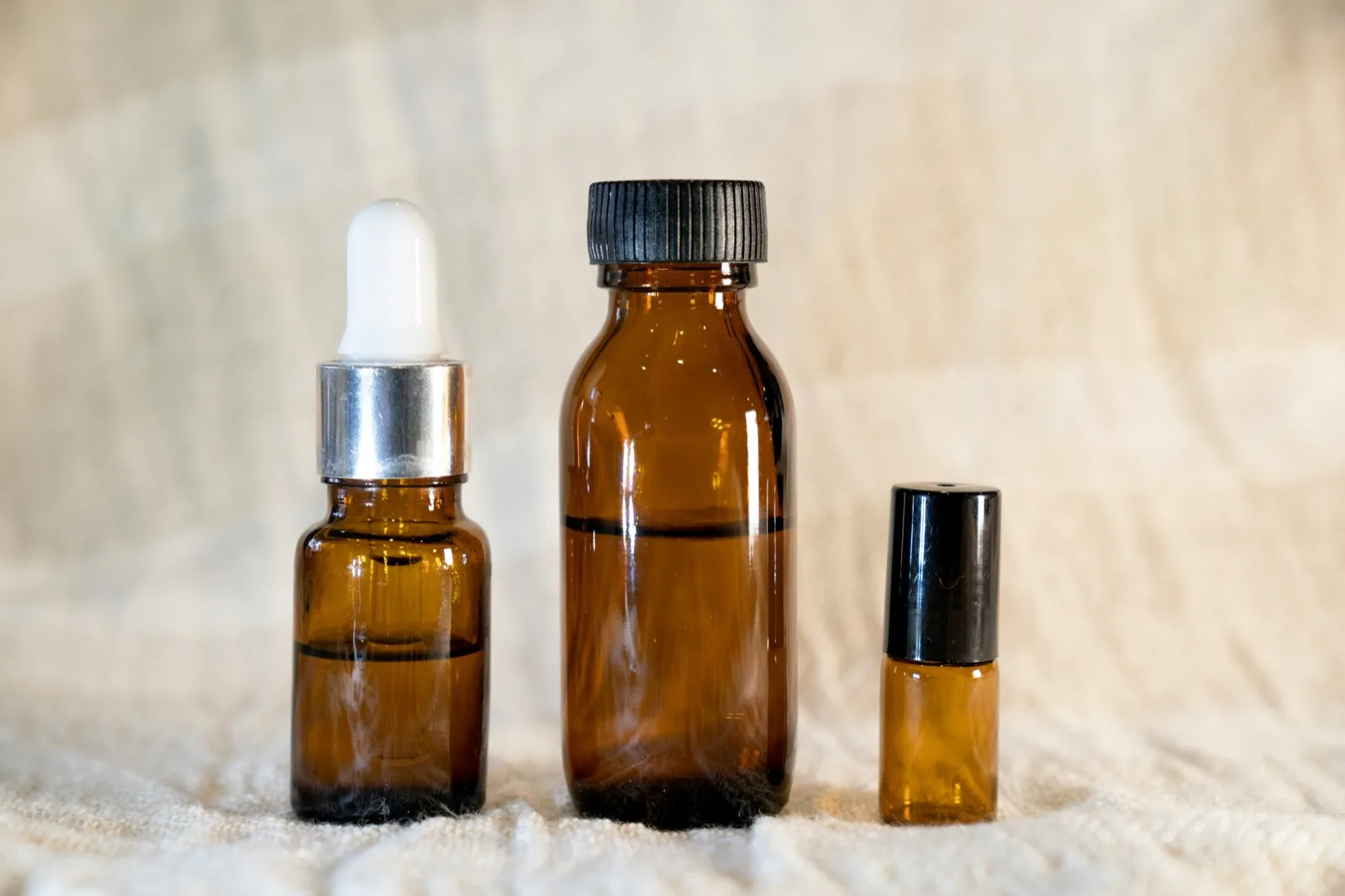
Quick answer: A seasonal Japanese skincare routine adapts product textures, hydration levels, and lipid occlusion to match the four distinct seasons (shiki). Rather than replacing your entire cabinet every few months, J-Beauty emphasizes subtle calibration: switching from rich winter creams to lightweight summer emulsions (nyuueki), alternating between refreshing (sappari) and deeply hydrating (shittori) lotions, and maintaining year-round broad-spectrum sunscreen. This proactive adjustment protects the skin barrier against extreme climatic shifts.
The Philosophy of Kisetsu: Why Japanese Skincare Changes with the Seasons
The core tenet of Japanese skincare is proactive prevention rather than reactive correction. Your epidermal barrier does not operate in a vacuum; it constantly adapts to ambient humidity, temperature shifts, and ultraviolet exposure.
When formulating a seasonal routine, Japanese beauty brands do not encourage throwing away your skincare collection every three months. Instead, they recommend adjusting product weight and layering intensity. As Rohto Pharmaceutical's Hada Labo Tokyo formulation team explains, healthy skin relies on:
"starting with the lightest weight product."[3]
During the hotter months, this means stopping at lightweight fluid hydrators. During freezing months, you build upon those same humectants with rich lipid barriers.
Crucially, one step remains strictly non-negotiable regardless of the season: daily broad-spectrum sun protection. As Hada Labo specialists caution:
"Always end with applying a sunscreen lotion to protect the skin from premature aging and help prevent skin cancer."[3]
Daily photoprotection provides the foundational shield upon which all seasonal adjustments are built.
Spring: Calming Sensitive Skin and Shielding from Allergens
Spring (haru) in Japan represents rebirth, but for the skin barrier, it is often the most volatile period of the year. The transition from cold winter to warm spring involves rapid temperature swings and fluctuating humidity. Furthermore, massive clouds of airborne cedar pollen (kafun) and fine yellow dust particles settle onto the facial epidermis.
This combination frequently triggers unstable skin (yuragi-hada)—a temporary state of heightened reactivity characterized by redness, stinging, and micro-flaking.
Spring Routine Adjustments
- Low-Irritation Cleansing: Avoid aggressive scrubs or hot water. Choose mild, pH-balanced foaming cleansers that wash away airborne allergens without stripping the barrier.
- Barrier-Nourishing Water: Incorporate soothing hydrating lotions containing dipotassium glycyrrhizate or centella extracts to calm sensitivity.
- Gentle Lipid Sealing: Transition from heavy winter ointments to a fluid milky emulsion (nyuueki).
- Allergen-Repelling Sunscreens: Many Japanese brands release specialized "pollen barrier" daytime sunscreens designed with smooth micro-particle films that prevent dust and pollen from clinging to skin surfaces.
As Kao Corporation's sensitive-skin brand Curél highlights, maintaining this gentle touch is vital:
"Japanese skincare is rooted in two-step cleansing and moisturizing rituals that work gently to prepare skin for hydration, while preserving its natural ceramides."[1]
Preserving native ceramides during spring helps minimize vulnerability to external allergens.

Summer: Oil Balancing, Gel Hydration, and High UV Protection
Japanese summers (natsu) are famously hot and humid. Elevated temperatures cause sebaceous glands to produce excess oil, while heavy perspiration creates a slick film across the skin. At the same time, air conditioning units run constantly indoors, creating a phenomenon known as air conditioning dehydration (reibou-kanso).
Under these conditions, many people make the mistake of skipping moisturizer entirely, leading to dehydrated skin beneath a shiny surface layer.
Summer Routine Adjustments
- Cleansing Oil in the Evening: Even if you wear minimal makeup, a cleansing oil is indispensable to break down sweat-resistant, waterproof UV filters and oxidized sebum.
- Refreshing Lotions (Sappari): Switch from rich, viscous lotions to refreshing, watery (sappari) formulas that quench the stratum corneum without tackiness.
- Weightless Gel Emulsions: Replace dense creams with oil-free or water-gel emulsions that provide humectant moisture without clogging pores.
- High-Performance Water-Resistant SPF: Japanese sunscreens excel in summer. Choose sweat-resistant, high-protection formulas (SPF 50+ / PA++++) formulated with water-light gel textures that leave zero white cast.
For application tips during hot weather, review our guide on morning vs night Japanese skincare routines.

Autumn: Post-Summer Recovery and Moisture Transitions
Autumn (aki) is considered the golden hour of Japanese skincare. As temperatures cool and humidity drops, the cumulative toll of summer sun exposure begins to surface in the form of subtle tanning, hyperpigmentation, rough texture, and dry patches.
The Japanese autumn strategy centers on re-establishing balance before winter arrives.
Autumn Routine Adjustments
- Targeted Brightening Care: Introduce gentle quasi-drug (yakuyou) brightening serums containing tranexamic acid, vitamin C derivatives, or niacinamide to address post-summer dullness.
- Lotion Layering and Cotton Packs: Combat early autumn dryness by adopting the Japanese lotion layering method, applying two to three layers of hydrating water or performing 3-minute cotton pack masks.
- Step-Up to Moisture-Rich Emulsions (Shittori): Move from summer's airy gels to richer milky emulsions (shittori) that provide a stronger lipid shield against dry autumn winds.
In Japan, specialized formulations designed to address specific post-summer concerns fall under strict regulatory standards governed by the Pharmaceuticals and Medical Devices Agency (PMDA):
"products contain active ingredients are generally classified as quasi-drugs in Japan"[6]
Utilizing regulated quasi-drug formulations ensures effective, gentle post-summer skin conditioning.
Winter: Intensive Ceramide Sealing and Low-Humidity Defense
Winter (fuyu) presents the most punishing environment for the skin barrier. Outdoor temperatures drop near freezing, indoor heaters deplete air moisture, and ambient indoor humidity often plummets below 30%. Under these conditions, trans-epidermal water loss (TEWL) accelerates rapidly, causing dry flaking, tightness, and redness.
The winter philosophy in J-Beauty is centered on rich occlusion and ceramide replenishment.
Winter Routine Adjustments
- Lukewarm or Water-Only Morning Cleanses: Avoid harsh morning cleansers. Rinsing with lukewarm water or using a hydrating cleansing milk preserves the thin lipid film produced overnight.
- Deep Humectant Saturation: Layer viscous, moisture-binding lotions formulated with multi-molecular hyaluronic acid and amino acids.
- Rich Ceramide Creams: Lightweight summer emulsions are insufficient in sub-zero air. Step up to an intensive ceramide cream that creates a physical barrier against moisture evaporation.
As Curél UK documentation explicitly confirms, choosing between a milk and a cream is naturally tied to seasonal conditions:
"we recommend choosing the moisture facial milk or intensive moisture facial cream based on the season, how dry your skin is, or even based on your preference of product texture"[1]
Furthermore, Curél highlights the comforting texture of their winter-ready barrier cream:
"As the second step in Curél’s Japanese double moisturising routine, this rich yet light-as-air texture locks in moisture to leave skin feeling soft, supple and with a radiant glow."[2]
Clinical guidance from the American Academy of Dermatology strongly validates the necessity of rich barrier creams during dry conditions:
"Ointments and creams add more moisture to skin and are more effective than lotions."[5]
Even when snow falls and skies are overcast, never abandon daily sunscreen. As emphasized in the American Academy of Dermatology's guidance:
"Your skin is exposed to the sun's harmful UV rays every time you go outside, even on cloudy days and in the winter. So whether you are on vacation or taking a brisk walk in your neighborhood, remember to use sunscreen."[4]
To explore the exact formulation differences between light milks and rich winter creams, read our detailed comparison of Japanese emulsion vs moisturizer.
Four-Season Japanese Skincare at a Glance
The following comparative table summarizes how your core routine shifts across the Japanese seasonal calendar:
Scroll horizontally to view full table
| Season | Primary Barrier Challenge | Lotion Texture (*Keshosui*) | Moisture Sealing Step | Sun Protection Priority |
|---|---|---|---|---|
| Spring (Haru) | Pollen allergens, dust, and temperature swings (yuragi-hada) | Calming, low-irritation soothing formula | Light milky emulsion (nyuueki) supporting ceramides | Micro-particle defense SPF preventing allergen adhesion |
| Summer (Natsu) | Intense heat, excess sebum, and air conditioning dehydration | Refreshing, water-light (sappari) humectant lotion | Weightless oil-free gel or light fluid emulsion | Sweat-resistant, waterproof SPF 50+ / PA++++ |
| Autumn (Aki) | Post-summer UV dullness, rough texture, and falling humidity | Multi-layered hydrating lotion or 3-minute cotton packs | Moisture-rich milky emulsion (shittori) | Daily broad-spectrum SPF 30+ to 50+ under makeup |
| Winter (Fuyu) | Severe dry air, indoor heaters, and elevated water loss (TEWL) | Rich, viscous lotion packed with hyaluronic acid | Occlusive ceramide barrier cream or rich sleeping pack | Nourishing, hydrating sunscreen lotion with no drying alcohol |